

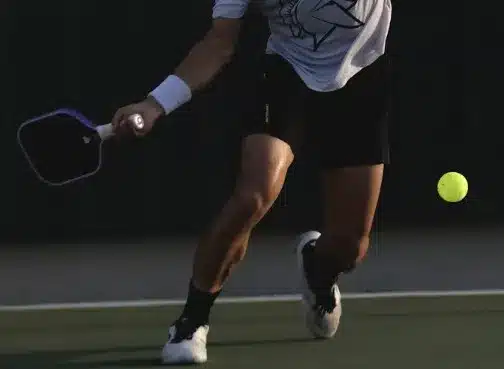
Pickleball, a dynamic sport blending elements of tennis, badminton, and table tennis, is experiencing a significant surge in popularity both internationally and domestically. This fast-growing racket sport is played on a court smaller than a tennis court, with a net, and involves players hitting a perforated plastic ball back and forth using paddles.
The Rise of Pickleball
Internationally, pickleball has gained traction, partly due to its association with prominent figures like Microsoft co-founder Bill Gates, who is known to enjoy the sport. Domestically, the sport’s appeal is evident in the increasing number of clubs and tournaments. Estimates suggest there are over 100 pickleball clubs across the nation, with a participant base exceeding 10,000 individuals, according to the Korean Pickleball Association.
The accessibility of pickleball is a major draw. Its smaller court size and slower ball speed make it relatively easy for beginners to pick up. The game’s nature, involving constant movement, side-to-side shuffling, bending, and directional changes, offers benefits for cardiovascular health, agility, and balance. For many, especially older adults, it provides a social outlet and a way to stay physically active.
Understanding the Risks: Overuse Injuries
Despite its many advantages, pickleball, like other racket sports, carries a risk of injury, particularly due to repetitive motions and the exclusive use of one arm. Common ailments include pain in the elbow, shoulder, and wrist. Medical professionals highlight that middle-aged individuals, in particular, may be susceptible to tendonitis and other issues when muscles are overused or improperly engaged, leading to strain where tendons attach to bone.
Research published in ‘Frontiers in Public Health’ in 2025 indicated that approximately 34.2% of pickleball participants experienced injuries. The most commonly affected areas were the knee (23.3%), followed by the elbow/forearm (18.1%), and shoulder/upper arm (17.2%). Notably, a significant majority of these injuries (78%) were the result of overuse rather than a single acute event.
Common Pickleball Injuries
Tennis Elbow (Lateral Epicondylitis): This is a frequent complaint among pickleball players. It involves micro-tears and inflammation of the tendons on the outside of the elbow that connect to the forearm. Gripping the paddle tightly, performing repeated backhand strokes, or receiving the ball with a bent wrist can increase stress on these tendons. Symptoms include pain on the outer part of the elbow, which can sometimes radiate down to the wrist. If pressing on the bony part of the outer elbow or experiencing pain when extending the wrist backward while the fist is clenched, it could indicate tennis elbow. Rest is crucial for recovery.
Rotator Cuff Injuries: While pickleball doesn’t typically involve powerful serves or overhead smashes like some other racket sports, the repetitive motion of reaching and hitting the ball, often with the arm raised, can strain the rotator cuff muscles. These muscles stabilize the shoulder joint. Weakness in the rotator cuff, which can be more prevalent in older adults due to age-related degeneration, can lead to pain even from minor repetitive stress. Pain in the front or side of the shoulder when raising the arm, worsening at night, or difficulty rotating the arm behind the back, might suggest a rotator cuff issue. Prompt medical evaluation is recommended.
Preventing Injuries: Preparation and Technique
To mitigate the risk of injury, a comprehensive warm-up routine is essential. This should go beyond simple finger and wrist rotations. A 5-10 minute period of light cardio, such as brisk walking or jogging in place, to elevate body temperature is recommended before engaging in dynamic stretches for the shoulders, torso, and wrists.
Strengthening exercises for the wrists and forearms can also be beneficial. Regularly performing gentle wrist flexion and extension exercises, potentially with light weights or water bottles, and forearm strengthening movements can help reduce the strain on the elbow and surrounding tendons. It’s important to perform these exercises within a pain-free range.
Equipment Selection: Choosing the right equipment is also vital. A paddle that is too heavy or has an ill-fitting grip can place undue stress on the wrists and elbows. For individuals with weaker wrists or a history of tendonitis, wrist supports or elbow bands can offer additional protection by reducing impact and limiting excessive movement. However, these aids should be viewed as supportive measures, not as a means to play through pain.
Gradual Progression: New players should start with shorter game sessions and avoid prolonged, continuous play. This is particularly important for older adults, who should monitor for any persistent pain in the outer elbow, mild shoulder discomfort, or swelling around the joints after playing. If such symptoms arise, they should not be dismissed as simple muscle soreness. Adjusting playing technique, reducing frequency, and seeking a professional diagnosis are crucial steps.
Dr. Kim Yu-geun, Director of the Bupyeong Himechan Hospital, advises, “Injuries in pickleball often stem from the cumulative stress on tendons and joints from repetitive motions, rather than a single, significant impact.” He emphasizes, “When starting pickleball, focus on proper technique and managing your playing volume, rather than solely on winning. Incorporating adequate warm-ups, forearm strengthening, and sufficient rest are key to enjoying the sport healthily.”
