

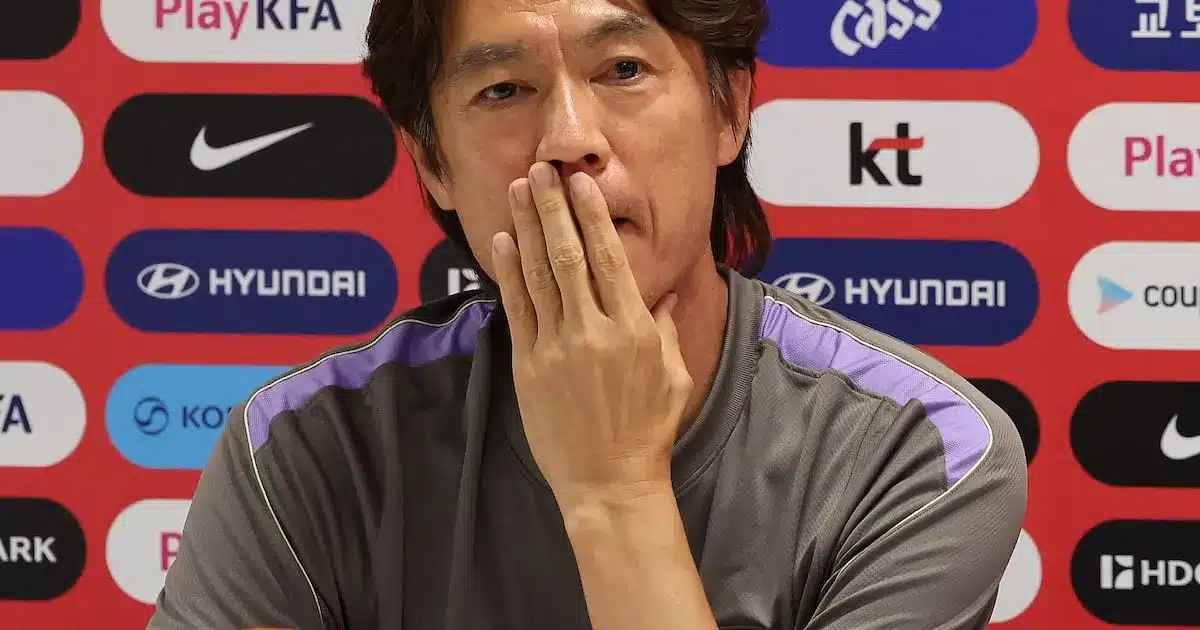
Analysis Places National Team Coach’s Annual Salary Near $3 Million
An analysis of compensation for national team coaches suggests the annual salary for the South Korean men’s national football team coach is estimated to be around 2.16 million euros, approximately 3.8 billion Korean won. This figure positions the coach within the top 16 earners among all coaches from the 48 nations participating in the upcoming World Cup, significantly exceeding previous public estimates of around 2 billion won.
The estimation comes from SalaryLeaks, a global payroll analysis firm, which released its findings on January 27th regarding the projected annual salaries of coaches for the 2026 World Cup qualifiers. The report indicates that several coaches leading teams who have already secured berths in the final 32-team tournament earn less than this estimated figure. These include coaches from Egypt (155,000 euros), Australia (605,000 euros), Ivory Coast (820,000 euros), the Republic of South Africa (900,000 euros), Switzerland (1.6 million euros), and Belgium (1.7 million euros).
Notably, the estimated annual salary for the South Korean coach is more than double that of Japan’s coach, Hajime Moriyasu, who is reportedly earning 821,000 euros, placing him at 29th in the rankings.
Global Compensation Landscape
The top-earning coach in the global analysis is reportedly Carlo Ancelotti, leading the Brazilian national team, with an estimated annual salary of 9.5 million euros. At the lower end of the spectrum, Dick Advocaat, the coach for Curaçao, is estimated to earn the least, with an annual salary of 96,000 euros. Advocaat previously served as the head coach for South Korea during the 2006 Germany World Cup.
Regarding the methodology for these salary projections, SalaryLeaks stated that the figures were calculated based on publicly available contracts, data from national football associations, and credible media reports. The firm clarified that these estimates do not include incentives such as performance bonuses, title wins, or other contractual benefits. Additional income could be realized through potential qualification for the main World Cup tournament.
