

Rising Tensions in Mexico as World Cup Approaches
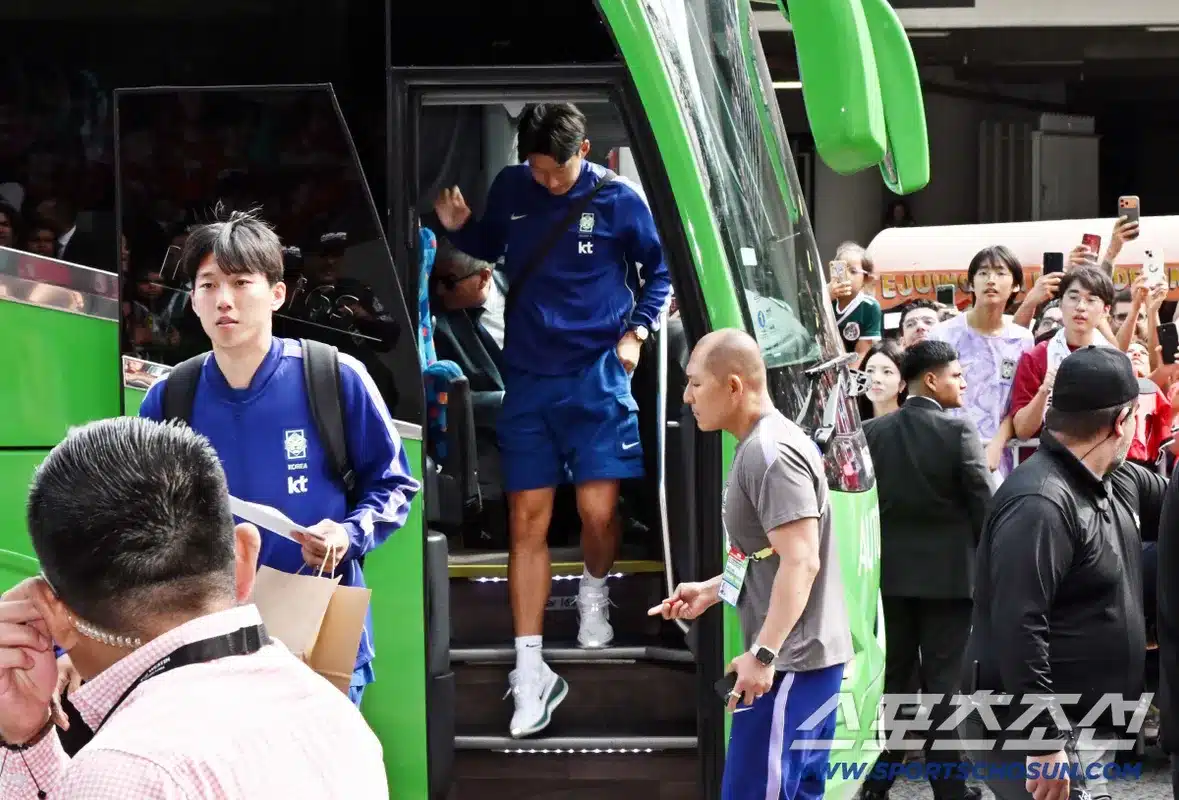
With the 2026 FIFA World Cup opening just five days away, a growing sense of unease is palpable within Mexico. The national team bus, carrying coach Hong Myung-bo and star players like Son Heung-min, arrived safely at their accommodation in Guadalajara, escorted by police and security vehicles. This arrival, however, stands in stark contrast to the escalating situation in the capital, Mexico City.
‘Cuculcan Plan’ Aimed at Ensuring Security
The Mexican government had previously announced the ‘Cuculcan Plan’ approximately 100 days before the tournament’s commencement. This initiative is designed to guarantee a secure World Cup, focusing on the safe transit of athletes and officials from airports to hotels and stadiums, as well as ensuring absolute safety within match venues. The plan involves deploying special forces capable of responding to chemical, biological, radiological, and cyber threats, alongside a Mexican national security unit specializing in counter-kidnapping and hostage situations.
In March, the Portuguese national football team received a similar police escort of around 40 vehicles upon their arrival in Mexico City for a friendly match against the Mexican national team. At that time, increased security measures were deemed necessary following the assassination of Nemesio Oseguera, leader of the ‘Jalisco New Generation Cartel,’ Mexico’s largest drug trafficking organization, by Mexican military forces. This event triggered retaliatory violence across the nation, necessitating a heightened security posture.
Guadalajara Remains Calm Amidst Capital’s Turmoil
Currently, in Guadalajara, where the South Korean team is based, there are no apparent signs of conflict between the government and drug cartels. The city, and even the areas surrounding the stadium, are remarkably quiet, leading to questions about whether it is indeed a World Cup host city. The South Korean delegation was able to enter the country without any perceived threats.
Mexico City Grapples with Widespread Protests
The situation in Mexico City, however, is entirely different. Reports indicate that the Mexican government plans to significantly increase police and security personnel presence around the Zocalo, a major public square, to manage a fan festival during the World Cup, despite ongoing social unrest and protests. This decision comes as significant parts of the city center, including historical landmarks like the Metropolitan Cathedral and the Aztec ruins of the Templo Mayor, are largely cordoned off due to demonstrations.
President Claudia Sheinbaum’s administration has emphasized that the Zocalo will remain open throughout the World Cup, expecting up to 100,000 attendees. However, the city is currently experiencing widespread protests from various groups. Teachers, demanding pension reforms and salary increases, have been blocking roads and causing traffic disruptions. Other groups have occupied government buildings and even played football matches in the streets that have been sealed off.
Clashes Erupt Over Protest Restrictions
Earlier this week, a tense confrontation occurred when protesting teachers attempted to breach the security perimeter at the Zocalo, leading to a brief but intense situation where police discharged tear gas. Pedro Hernández Morales of the CNTE teachers’ union has stated that if the demands of the educators are not met, the World Cup “cannot be held.” Despite these threats, the Sheinbaum administration appears resolute.
President Sheinbaum has indicated a firm stance, stating, “The protesters want us to fall into chaos as the World Cup approaches, but we will not be swayed by such provocations.” These protests are expected to continue throughout the duration of the tournament.
South Korea’s World Cup Path and Potential Challenges
South Korea is competing in Group A alongside the Czech Republic, Mexico, and South Africa. If they secure the top spot in their group, they will play their Round of 16 match in Mexico City. Finishing second or third would mean departing Mexico, with potential matches in Los Angeles (for second place) or Seattle or Boston (for third place) in the United States.
