

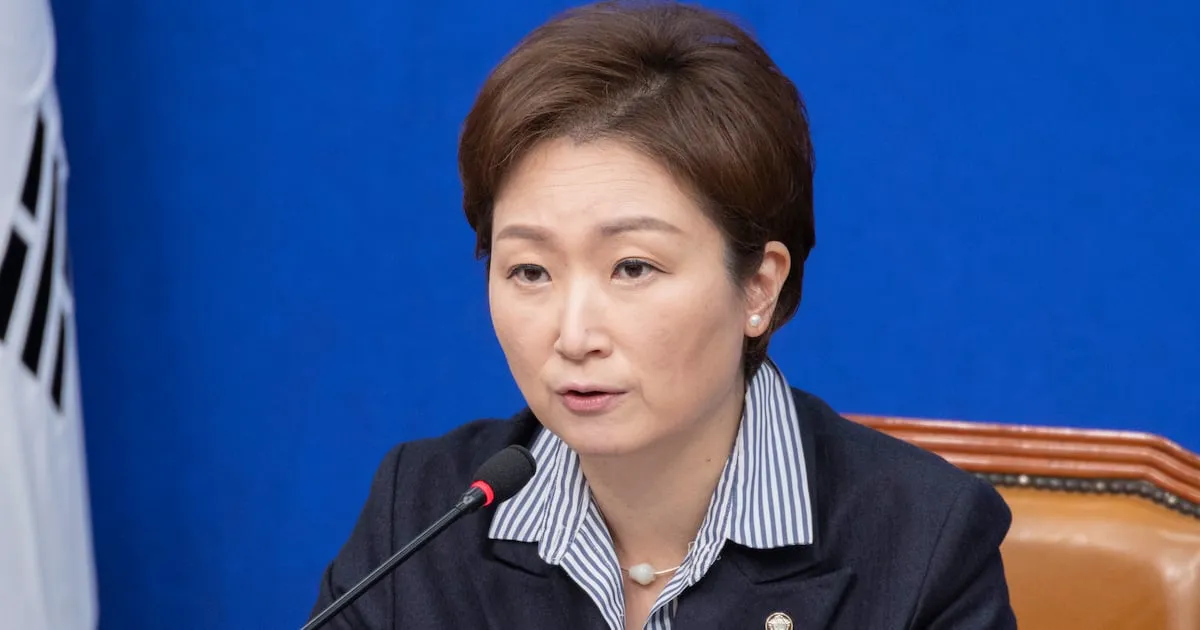
Opposition Democratic Party of Korea (DPK) Supreme Council member Lee Eun-ju demanded a thorough investigation into allegations of cash bribes and government position offers during the People Power Party’s (PPP) candidate selection for the June 3 by-elections.
Lee posted on Facebook criticizing the process as riddled with massive vote rigging, cash envelopes, and position bribes. “No rational person would believe there is no doubt surrounding these issues,” she stated.
Targeting Ulsan Dong-gu Nomination
Lee specifically highlighted irregularities in Ulsan Dong-gu, where illegal cash and position bribes allegedly intensified public distrust and fairness concerns. “Such issues have become common knowledge and must be addressed through proper channels,” she emphasized.
She warned that failing to investigate could lead to greater risks. “If we overlook this now, larger crises will emerge, and citizens in Ulsan are already voicing stronger distrust,” Lee added.
Widespread Reserve Candidate Scandals
Sources confirm multiple reserve candidates (Yebi Hubo) engaged in similar tactics nationwide. In national-level races, Kim Gwan-young secured full-time nomination amid claims of a “big rice cake grab.”
In Jeju mayoral elections, Oh Ji-sa allegedly bribed key executives with massive cash during a large-scale reorganization meeting. Gyeonggi officials report Han Jun-ho’s team threatening reserve candidates with threats.
Other regions, including Minju-dang Jeonnam Naju City Council, Yeonggwang-gun, Hampyeong-gun, Chungbuk Goesan-gun, also saw reserve candidates offering cash sales and position bribes, with some regions already advancing lawsuits.
Park Seong-hyun, Jeonnam Gwangyang reserve mayor candidate, reportedly bribed for an “unlawful reorganization,” prompting exposure to the election committee on April 5 by party leaders.
Call for Accountability
Lee urged party executives to reject rigged nominations decisively. “Investigate thoroughly with a sense of shame, and if necessary, central committee and reserve self-inspections must occur,” she said.
She stressed the need for heightened vigilance, particularly in Honam regions, labeling such practices as a special “poison” that poisons the nation’s leader selection process.
