

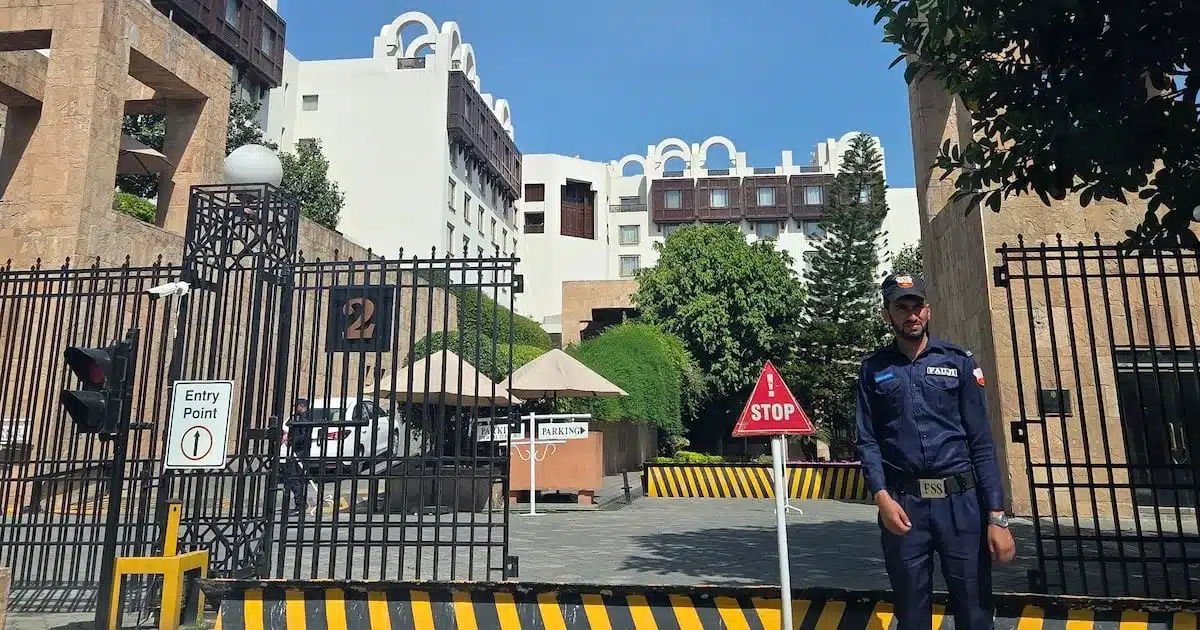
Pakistani authorities have intensified security measures across key regions, including Rawalpindi, in anticipation of potential bomb threats linked to the upcoming second round of US-Iran talks.
Arrests and Route Disruptions
Security forces recently apprehended a suspect transporting explosives toward Rawalpindi, near Islamabad. Investigations uncovered shifts in smuggling routes involving managers at public facilities like Nur Khan and areas close to Islamabad International Airport. Officials promptly issued red alerts and blocked major transportation corridors in the district.
Deployment of Forces and Surveillance
More than 10,000 police officers now patrol the area, with over 600 intersections secured. Elite units totaling 400 personnel, including 100 specialized troops, monitor sites via CCTV around the clock. Cargo transport, church operations, and animal markets face suspensions to prevent attacks.
Authorities also target suspicious chemical storage sites, factories, and warehouses with drone surveillance and roadblocks. Drones and barriers cover high-risk zones, while curfews limit access for non-residents.
Evacuations and Warnings
After inspecting vulnerable sites, officials evacuated personnel from churches and commercial hubs, blocking main roads to safeguard property and lives. Residents and business owners received alerts about potential damages to furniture, goods, and structures.
Hotels, restaurants, guesthouses, and student facilities undergo strict checks. Security teams confiscate assets from unauthorized approaches and repatriate Afghan refugee students safely amid rising concerns.
Construction sites utilize shipping containers as barricades to fortify defenses.
Talks Timeline
The US and Iran plan comprehensive discussions on January 21 (Iran local time January 22), following initial threats issued on January 7. Pakistani officials anticipate heightened militant activity, prompting these robust precautions.
