

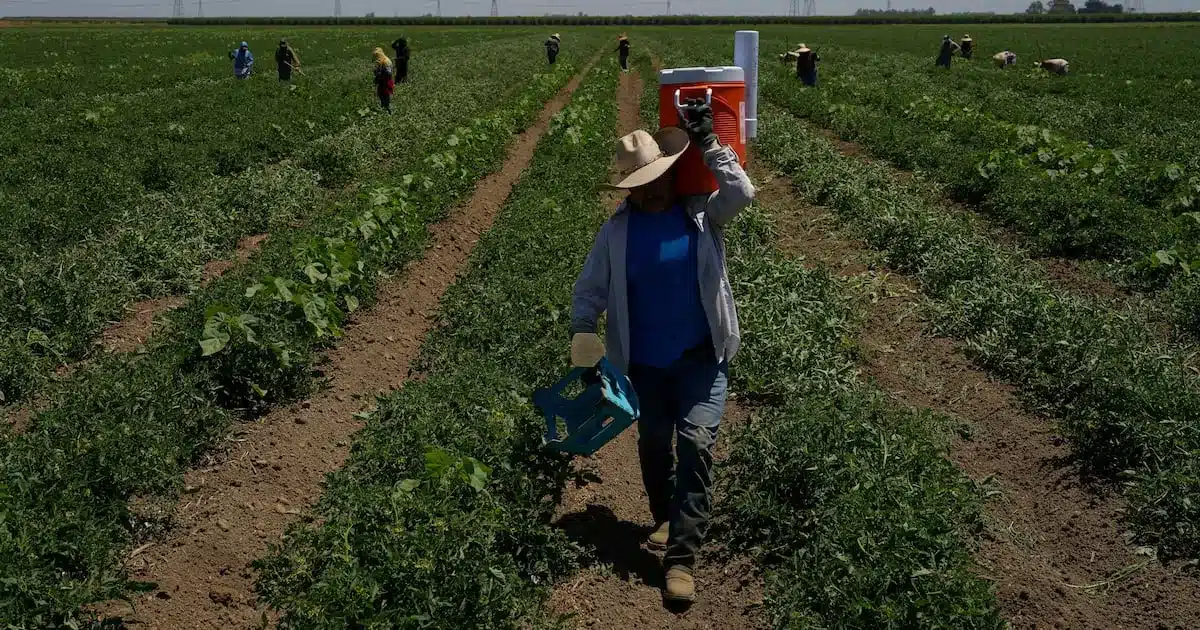
Escalating tensions near Iran threaten full disruptions in the Strait of Hormuz, delivering a direct blow to California laborers. Freight rates have hit record highs, while diesel and bunker fuel prices surge, inflating production and distribution costs across key sectors.
Major Farm Faces Sales Crunch
A prominent Central Valley farm, Sequoyah Net Company, grapples with mounting sales pressure. The company president noted that factory and farm operators have placed workers on indefinite leave, leaving pistachios and raisins destined for shipment stacked in warehouses. “From this site alone, 15 truckloads of pistachios remain unshipped,” the president stated.
Vikram Hundal, the facility manager, added, “We dispatched 20 containers to Dubai’s Jebel Ali port via UAE routes, but shipping costs doubled overall. Cargo ultimately unloaded at Fujairah before the strait required costly land detours, adding $10,000 per container.”
Fuel Prices Fuel Broader Crisis
Ground realities prove even harsher. U.S. agricultural producers’ groups highlight risks to roughly 70,000 tons of water-heavy crops from spoilage. California supplies 10% of national annual volumes for these products.
Some shipments sank with turkey loads en route, others languish in South Asian warehouses, driving prices skyward. Producers struggle to absorb hikes through pricing or cuts, deepening the strain.
Robert Balooph, president of a leading walnut producers’ cooperative, forecasted, “Prices per pound now project 5-10 cent increases. Unsold perishables after 1-2 weeks turn to waste, and delivery delays halt payments, eroding farm finances.”
Supply Chain Strains Intensify
Component shortages mount amid diesel topping $8 per gallon and bunker fuel climbing similarly. Farm equipment and irrigation systems heavily depend on diesel, offering scant flexibility.
A Stockton port official observed, “No shipping firms have folded yet, but price spikes form the crux. Producers grab whatever sales match output volumes.”
New Risks Emerge
This scenario diverges from COVID-19 or U.S.-China trade disruptions, introducing fresh asset vulnerabilities. Central U.S. export zones already see worker panic, with job concerns striking core operations directly.
