

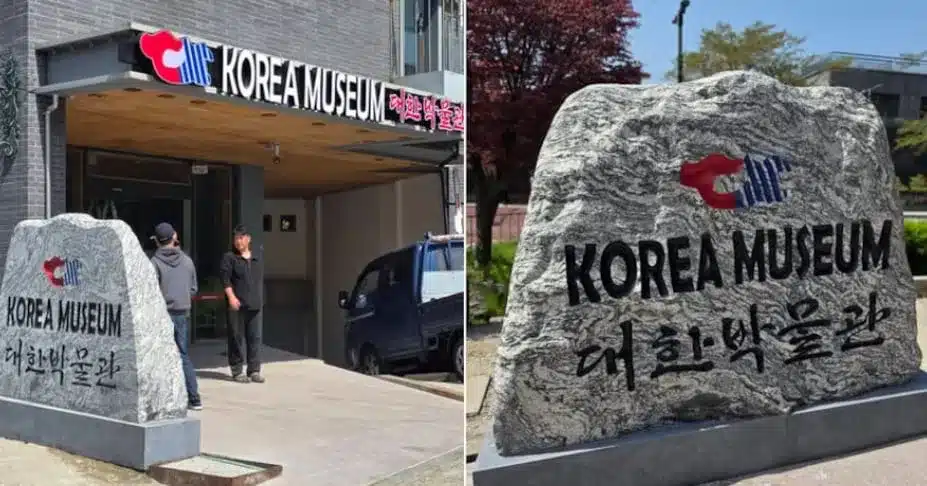
Officials in Seoul’s Eunpyeong-gu district investigate a sign labeling an exhibition space in the Eunpyeong Hanok Village as ‘Daehan Museum,’ which hosts a major oil painting exhibition linked to a central government arts agency. The district asserts no connection exists and directs a review of the site’s operational safety.
District Denies Involvement
Eunpyeong-gu officials emphasize that the exhibition space bears no relation to district or national operations. ‘This sign lacks any ties to the district or relevant authorities,’ an official stated in a recent briefing. Authorities plan swift clarification, identifying the site as a mid-level private museum rather than an official venue.
The district highlights that even exhibitions featuring national artworks must adhere to proper naming protocols. ‘Exhibiting national cultural assets demands accurate labeling to avoid misleading visitors,’ the official added, underscoring commitments to public safety and proper promotion.
Operational and Safety Concerns
Recent assessments confirm the venue operates as a ‘second-class cultural living space’ and local cultural experience hub, not a formal museum. Officials clarified this status on April 17 and intend to enforce corrective measures by early May. Seoul city officials previously examined compliance with construction permits, promotional claims, and facility standards.
A district representative noted, ‘We maximize active legal utilization, swiftly address violations, and promote proper operations.’ The venue and Hanok Village management face scrutiny over related regulations to ensure compliance.
Expert Warnings on Misleading Names
Cultural experts warn that the ‘Daehan Museum’ label attracts roughly half its visitors from abroad, heightening risks. A Seoul-based professor stated, ‘Eunpyeong Hanok Village draws not only domestic audiences but also international groups due to this prominent name, making national arts exhibitions vulnerable to confusion.’
The expert advocates renaming to ‘Korea Museum’ for accuracy. ‘Visitors seek authenticity in this region’s cultural essence; providing genuine opportunities requires precise designations,’ the professor added. Directories at nearby exhibition sites also employ the ‘museum’ title, amplifying concerns.
Ongoing Investigations
Despite lacking formal approval, the signage prompted a national arts agency exhibition. Major artifacts from ancient palaces, including grand folding screens, feature prominently. Seoul’s cultural committee chair directed probes into construction violations, promotional excesses, and facility management on April 23.
The chair remarked, ‘Listing it as ‘Daehan Museum’ misrepresents its ‘cultural and residential space’ status as a second-class cultural living venue, constituting clear illegality.’ Further, officials decry leveraging location prestige to host national culture exhibitions improperly, urging third-party promotional compliance.
