

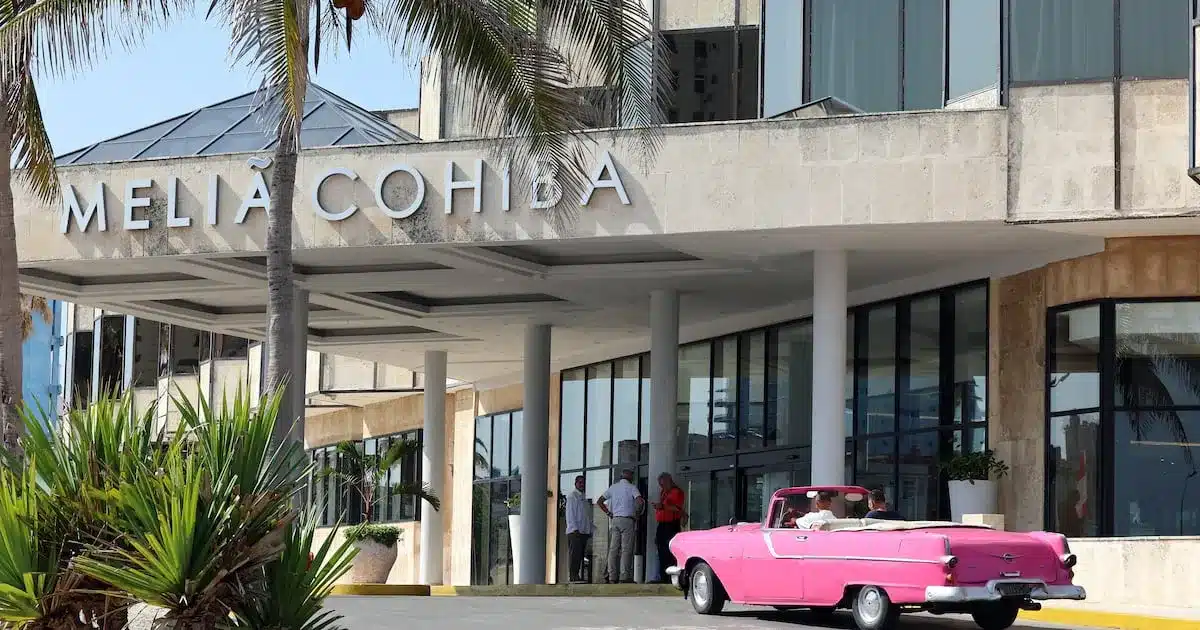
Cuba’s vital tourism industry is experiencing an unprecedented crisis, with visitor numbers plummeting and major international hotel chains announcing withdrawals. The normally bustling streets of Havana, a prime tourist destination, are unusually quiet, even during peak season. This downturn is largely attributed to renewed U.S. sanctions aimed at pressuring the Cuban government.
Major Hotel Chains Exit Cuba
The Spanish hotel group Meliá Hotels International announced this week its complete withdrawal from Cuba. In a statement filed with the Spanish stock market regulator, the company declared that maintaining even minimal operational stability had become virtually impossible, both practically and legally. This follows the closure of 15 of its hotels last month, and the group plans to cease operations at all its remaining Cuban properties.
Meliá was one of the first foreign hotel groups to enter Cuba in the 1990s, following the collapse of the Soviet Union, as the Cuban government opened its tourism sector to foreign investment to combat an ensuing economic crisis. Until last year, Meliá operated 34 hotels across the island, including popular beachfront resorts. Its decision to pull out signals a dire situation for Cuba’s tourism sector, which contributes significantly to the nation’s Gross Domestic Product (GDP), estimated at 10-12%.
Meliá is not alone in its decision. Another Spanish hotel chain, Iberostar, has already closed 12 hotels in Cuba. Furthermore, Canadian hotel chain Blue Diamond Resorts has announced the cessation of operations at 62 of its hotels on the island. These significant withdrawals are a direct consequence of the Trump administration’s policy shift towards Cuba.
U.S. Sanctions Target Military-Linked Businesses
The U.S. government’s strategy involves pressuring the Cuban military, which has significant control over the tourism sector. Foreign hotels operating in Cuba are typically contracted and managed through GAESA, a state-owned enterprise run by the Cuban military, and its subsidiary, the Gaviota Tourism Group. The U.S. administration has urged foreign companies to sever ties with GAESA and its affiliates as part of its efforts to isolate the Cuban military.
In an interview with the U.S. newspaper Axios last month, President Donald Trump alluded to a potential strategy for Cuba that mirrored actions taken in Venezuela. When asked if Cuba’s situation could evolve similarly to Venezuela’s, Trump noted that while Venezuela has oil, Cuba possesses valuable real estate and attractive coastlines. This suggests a focus on leveraging Cuba’s tourism assets as a point of pressure.
The U.S. government’s actions in Venezuela, which included imposing sanctions and targeting oil 통제 (control) to pressure the Maduro government, provide a precedent. The implication is that the U.S. may employ similar tactics, focusing on sectors like tourism, to exert pressure on the Cuban government.
Plummeting Tourist Numbers
The impact of these policies is evident in the sharp decline in tourist arrivals. The period between December and March is typically Cuba’s peak tourist season. However, in the first quarter of this year, Cuba received approximately 328,600 international visitors, a staggering 55.8% decrease compared to the same period last year. In the entirety of last year, Cuba welcomed around 1.8 million foreign tourists.
The situation is expected to worsen. At least 11 airlines have already canceled a total of 1,700 flights to Cuba. This reduction in air connectivity, coupled with the broader economic and political pressures, paints a grim picture for the future of Cuba’s tourism industry.
Economic Implications
The tourism sector is a cornerstone of the Cuban economy. Its current crisis has far-reaching implications, affecting not only hotels and related services but also numerous small businesses, transportation providers, and individuals who rely on tourist spending. The government’s ability to generate foreign currency, crucial for importing goods and maintaining public services, is significantly hampered by this downturn.
The withdrawal of major international players like Meliá and Iberostar not only signifies a loss of business for these companies but also a loss of jobs and investment for Cuba. The long-term consequences for the Cuban economy, heavily dependent on tourism revenue, are a major concern.
Looking Ahead
The future of Cuba’s tourism industry remains uncertain. The effectiveness of U.S. sanctions in achieving their political objectives, while simultaneously devastating a key economic sector, is a complex issue. The Cuban government faces the challenge of mitigating the economic fallout and finding alternative sources of revenue or support. International relations and potential shifts in U.S. policy will undoubtedly play a significant role in shaping the trajectory of Cuba’s tourism sector in the coming years.
