

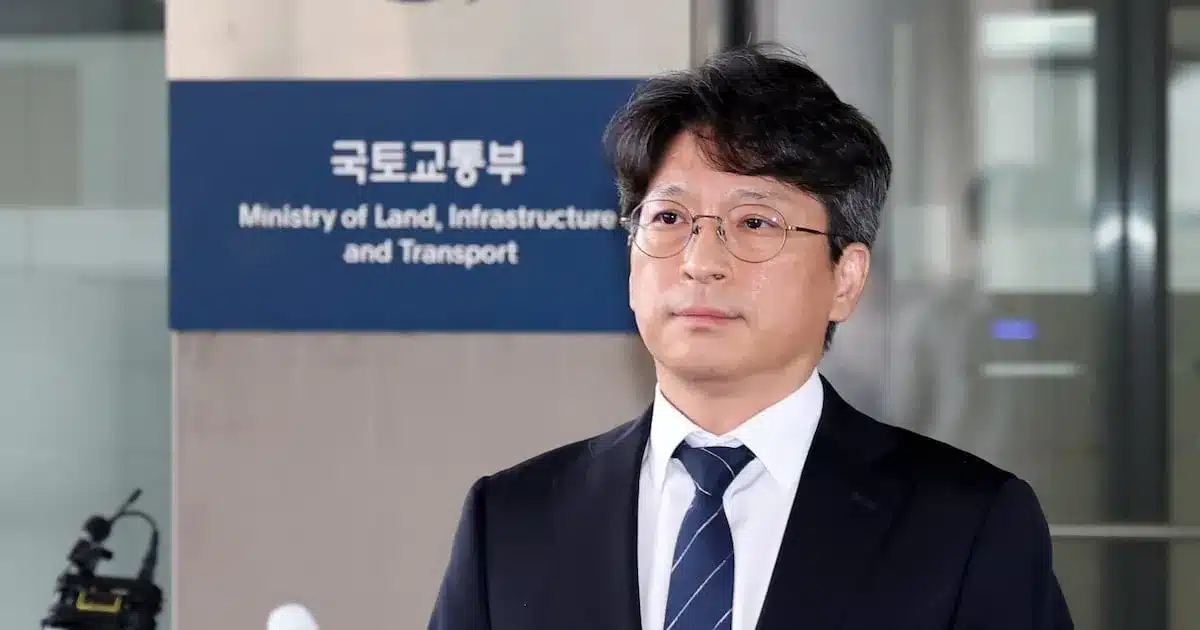
Hong Ji-sun, a nominee for the Minister of Land, Infrastructure and Transport, has addressed allegations that his purchase of a Seoul apartment involved leveraging loans, a practice often dubbed ‘yeong-kkeul’ (a term for extreme borrowing). He asserted that the acquisition was driven by the intention to reside in the property rather than speculative profit.
Addressing ‘Yeong-kkeul’ Accusations
The controversy arose following reports that Hong, along with his spouse, purchased an apartment in the Guro District of Seoul for 1.05 billion won. According to data released by the office of Kim Eun-hye, a member of the People Power Party, Hong utilized a mortgage loan of 367 million won for the purchase. His spouse reportedly borrowed 170 million won from her mother.
Kim’s office highlighted that after accounting for these loans, the couple’s direct cash investment amounted to approximately 460 million won. The apartment’s current market value is estimated to be around 1.41 billion won, indicating a price increase of roughly 400 million won within a year of the purchase. Critics have characterized this transaction as a ‘yeong-kkeul’ purchase, suggesting it contradicts the current government’s policies aimed at regulating excessive borrowing for real estate.
Nominee’s Explanation: A Focus on Residence
Hong Ji-sun firmly refuted the claims of speculative intent, stating that the primary objective from the outset was to establish a residence. He explained that prior to this purchase, he and his wife had been living in a rented property in Dangsan-dong, Yeongdeungpo District, Seoul, since May 2021.
The decision to purchase the apartment in Sindorim was influenced by practical considerations related to their commutes. Hong’s workplace was in Namyangju, where he previously served as a vice mayor, and his wife’s workplace was in Seo-gu, Incheon. The Sindorim location was chosen to minimize the disruption to their established living environment and to facilitate easier travel to both their respective places of employment.
Details of the Transaction and Living Situation
In a statement released to the press on the 5th, Hong’s camp reiterated that the apartment was acquired with the intention of immediate occupancy and that they are currently residing there. The purchase was made during his tenure as Vice Mayor of Namyangju, prior to the current administration taking office, and was part of their housing relocation plans.
Hong emphasized that the transaction was a necessary step in their housing transition, undertaken with his wife, who is a homemaker. He drew a clear distinction between this purchase and those motivated by market price gains, stating, “The nature of this housing purchase is different from one aimed at profiting from market price fluctuations.”
Broader Context and Housing Policy
The controversy surrounding Hong’s apartment purchase touches upon broader debates about housing affordability and real estate speculation in South Korea. The term ‘yeong-kkeul’ gained prominence as young people, facing soaring property prices, resorted to taking out substantial loans, often from family and financial institutions, to enter the housing market.
While the government has implemented measures to curb speculative investment and manage household debt, cases like Hong’s nomination have brought renewed scrutiny to the financial practices of public officials and the effectiveness of current housing policies. The nominee’s defense centers on the principle of securing a stable residence, a fundamental aspect of housing policy, rather than engaging in investment for capital appreciation.
Conclusion
Hong Ji-sun’s explanation aims to clarify his intentions behind the apartment purchase, positioning it as a necessary step for his family’s stable living situation rather than a speculative venture. As the confirmation process for his ministerial role continues, this issue remains a focal point, highlighting the complex interplay between personal housing decisions, public office, and national real estate policy.
