

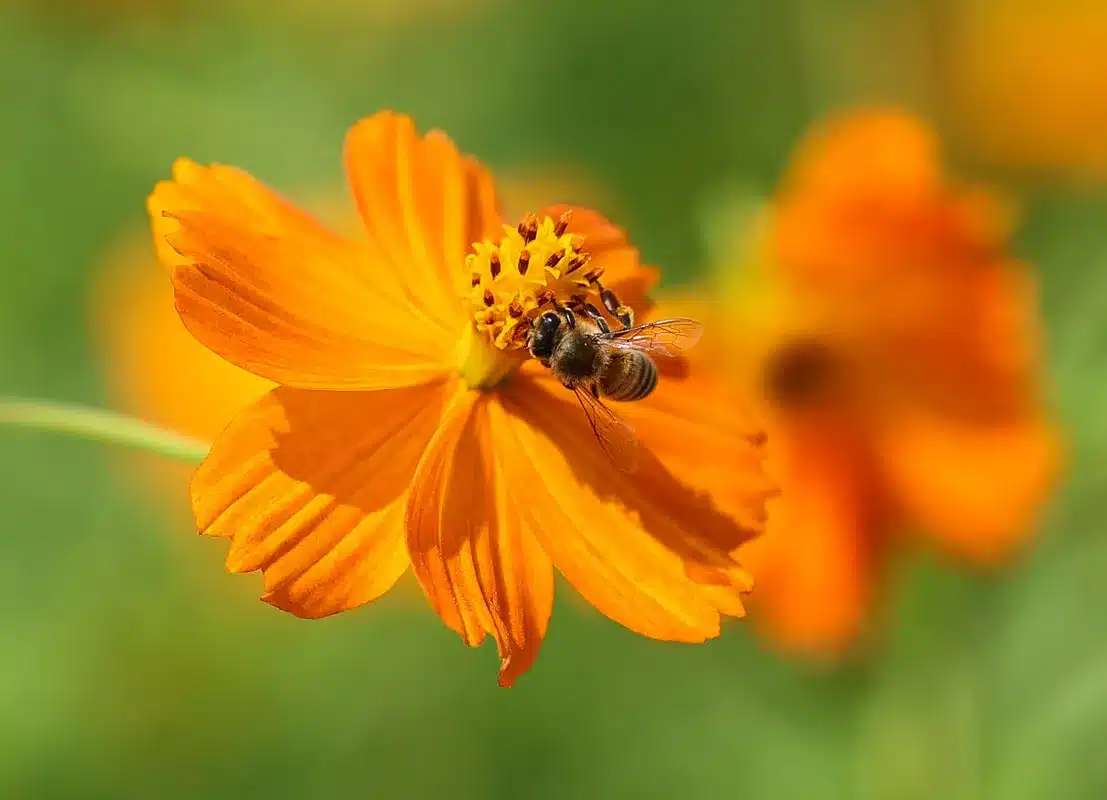
Daegu has experienced a significant increase in bee sting incidents, with a 47.5% rise reported in the first seven months of this year compared to the same period in 2023. Data from the Daegu Fire Department reveals that 87 individuals required emergency transport due to bee stings between January and July 2024, a notable jump from the 59 cases recorded during the same timeframe last year. This surge highlights a growing concern for public safety as warmer weather approaches.
Understanding the Rise in Bee Sting Cases
The statistics paint a clear picture of the escalating problem. Over the past three years, from 2023 to the present, Daegu has recorded a total of 588 emergency transports related to bee stings. A striking pattern emerges when examining the seasonal distribution of these incidents: a substantial 69.9% of all cases, amounting to 411 individuals, occurred between July and September. September, in particular, stands out as the peak month, with an average of 53 cases reported monthly during this period.
Fire department officials attribute this seasonal concentration to increased outdoor activities during the summer and early autumn months. As temperatures rise and people spend more time engaging in activities like hiking, gardening, and picnicking, the likelihood of encountering bees and their nests also increases. This period often coincides with the active swarming and nest-building phases for many bee species, further elevating the risk of stings.
Seasonal Peaks in Emergency Response
The data on emergency responses for bee-related incidents underscores the seasonal nature of the threat. The concentration of bee sting cases during the summer and early fall months is not just limited to patient transports but also reflects in the number of calls for bee nest removal. In the last three years, out of a total of 23,996 bee nest removal operations undertaken by the Daegu Fire Department, a commanding 74.2%—or 17,813 incidents—occurred during the July to September window. This indicates a direct correlation between increased bee activity and the demand for emergency services.
Recent Incidents and Public Safety Concerns
Recent reports from Daegu highlight the severity of these encounters. One such incident involved a citizen who was stung multiple times on the face and legs by a ground bee while hiking. The individual experienced severe breathing difficulties, dizziness, and a sharp increase in blood pressure, necessitating an emergency ambulance response and subsequent hospitalization. These cases serve as stark reminders of the potential dangers associated with bee stings, especially for individuals with allergies or those who suffer multiple stings.
The Daegu Fire Department emphasizes the importance of caution and proper procedures when dealing with bees and their nests. They have issued advisories urging the public to exercise vigilance, particularly during outdoor excursions. The department stresses that direct intervention with bee nests is highly discouraged due to the inherent risks involved.
Recommendations for Public Safety
To mitigate the risks associated with bee stings, the Daegu Fire Department offers crucial advice:
- Observe Before Acting: Always thoroughly check your surroundings for the presence of bee nests before engaging in activities like gardening or clearing brush.
- Avoid Direct Confrontation: If you spot a bee nest, do not attempt to remove or disturb it yourself. Bees can become aggressive when their nests are threatened.
- Contact Emergency Services: Report any bee nest sightings to the 119 emergency hotline. Trained professionals are equipped to handle nest removals safely and efficiently.
- Awareness During Peak Season: Be extra cautious during the summer and early fall months (July-September) when bee activity is at its highest.
- Seek Immediate Medical Attention: In the event of a bee sting, especially if multiple stings occur or if symptoms like difficulty breathing, swelling, or dizziness manifest, seek immediate medical help by calling 119.
By adhering to these guidelines, residents can significantly reduce the likelihood of bee sting incidents and ensure their safety during outdoor activities. The proactive approach of reporting nests and avoiding direct contact is key to managing this annual public health concern in Daegu.
Conclusion
The escalating number of bee sting incidents in Daegu, particularly during the summer and early autumn, calls for increased public awareness and adherence to safety protocols. The Daegu Fire Department’s data clearly indicates a seasonal trend, with a significant portion of cases occurring in the warmer months. By understanding these patterns and following the recommended precautions, such as reporting nests to 119 and avoiding direct removal, individuals can help prevent painful and potentially dangerous encounters with bees, ensuring a safer environment for everyone in the community.
