

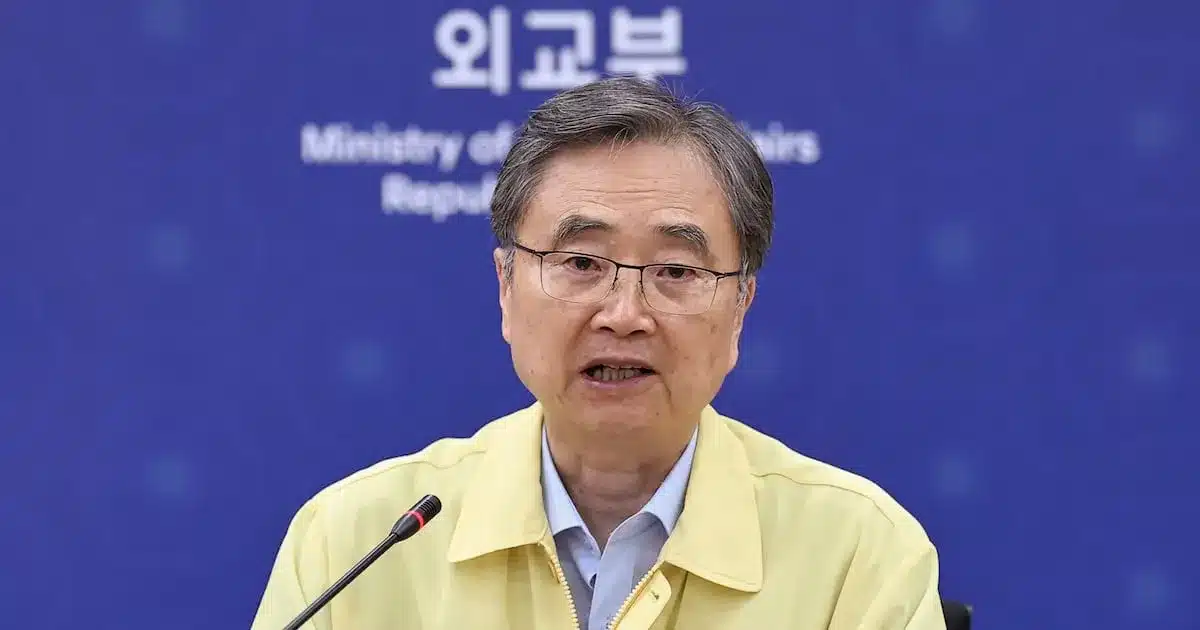
South Korean Foreign Minister Cho Tae-yul embarked on a crucial visit to Nepal on October 5th, traveling to the heart of the flood-stricken region. His three-day trip, concluding on October 7th, was dedicated to overseeing the rescue and relief efforts for South Korean nationals affected by the severe flooding and to bolster on-site response capabilities. This initiative underscores the government’s commitment to prioritizing the safety and well-being of its citizens abroad, particularly in times of natural disaster.
Addressing the Flood Crisis in Nepal
The recent floods in Nepal, which tragically impacted areas including a water bottling plant construction site, prompted this urgent diplomatic mission. Minister Cho’s visit was a direct response to the government’s directive to focus all available resources on the swift rescue of South Korean citizens and their comprehensive protection overseas. The situation demanded immediate attention, given the scale of the disaster and the potential risks to individuals present in the affected zones.
Diplomatic Engagements and On-Site Support
A key objective of Minister Cho’s visit was to hold bilateral discussions with his Nepalese counterpart. During these high-level talks, the South Korean government aimed to formally request robust cooperation and resource allocation from Nepal for the ongoing search and rescue operations. Ensuring the safety of South Korean nationals and facilitating their swift recovery are paramount concerns for the South Korean administration.
Beyond diplomatic channels, Minister Cho made it a priority to visit the front lines of the relief efforts. He personally inspected the operations of the Shin-Sok Dae-eung Team, an emergency response unit, and the Korea Disaster Relief Team (KDRT), which are actively engaged in search, rescue, and humanitarian aid activities within Nepal. This direct engagement allowed for a firsthand assessment of the challenges and successes of the ongoing relief work.
Support for Affected Citizens and Businesses
During his time in Nepal, Minister Cho met with the families of South Korean nationals who are currently residing in the country. He conveyed messages of solidarity and offered words of comfort and support during this distressing period. Understanding the emotional toll such events take on families, the minister’s presence aimed to provide a sense of reassurance and demonstrate the government’s unwavering support.
Furthermore, the Foreign Minister engaged in discussions with representatives from South Korean companies operating in Nepal. These meetings focused on understanding the on-the-ground realities of the flood situation, assessing the safety measures in place for their employees, and exploring strategies to mitigate risks and ensure business continuity where possible. The dialogue aimed to address concerns related to the safety of personnel and the operational impact of the natural disaster.
Government’s Commitment to Relief and Recovery
The South Korean government has pledged its full commitment to ensuring the swift repatriation and comprehensive recovery support for its citizens affected by the floods. Despite significant challenges on the ground, including damaged roads and disrupted communication networks, the government is leveraging all available diplomatic channels and emergency relief resources. The focus remains steadfast on providing immediate safety, essential living support, and long-term rehabilitation assistance to all South Korean nationals impacted by the disaster.
The government’s strategy involves a multi-pronged approach, combining diplomatic pressure for local cooperation with the deployment of specialized disaster relief teams. The KDRT, in particular, plays a vital role in coordinating on-site aid and ensuring that resources are effectively distributed to those in need. This coordinated effort is designed to provide a safety net for South Korean citizens, offering them immediate relief and a clear path towards recovery.
Broader Implications and Future Preparedness
This visit also serves as a critical opportunity to strengthen bilateral ties between South Korea and Nepal, particularly in the realm of disaster preparedness and response. By working closely with Nepalese authorities, South Korea aims to enhance mutual understanding and collaboration in managing future crises. The lessons learned from this event will be invaluable in refining protocols and improving the effectiveness of international disaster relief operations.
The South Korean government recognizes the complex challenges posed by natural disasters in geographically diverse regions. The proactive engagement demonstrated during this visit reflects a broader policy of ensuring citizen safety and providing robust support systems for South Koreans living and working abroad. The government continues to monitor the situation closely and remains prepared to deploy further resources as needed to support the affected South Korean community in Nepal and facilitate their safe return and recovery.
In conclusion, Foreign Minister Cho Tae-yul’s visit to Nepal highlighted the critical importance of swift diplomatic action and on-the-ground support during international crises. The focus on rescuing and assisting South Korean nationals, coupled with efforts to bolster cooperation with Nepalese authorities, underscores a comprehensive approach to citizen protection and disaster management. The government’s commitment extends beyond immediate relief, aiming for the long-term well-being and recovery of its citizens impacted by the devastating floods.
