

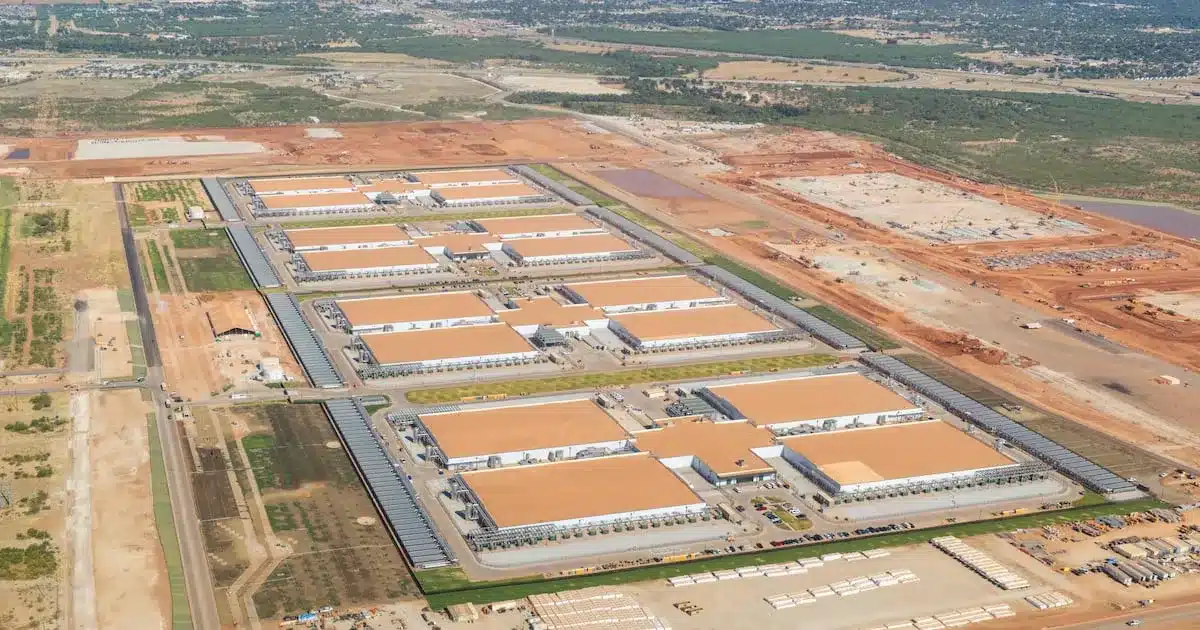
In Texas, a state experiencing a boom in data center construction, employment in sectors significantly impacted by artificial intelligence (AI) has reportedly declined. This trend contrasts with the widespread expectation that the AI industry would stimulate regional economies and create jobs. Concerns are mounting that younger workers may be the first to be displaced in a rapidly evolving job market.
AI’s Impact on High-Tech Job Openings
Research indicates that since the launch of ChatGPT in 2022, job postings in Texas for roles with high AI exposure have decreased. A study cited by the Financial Times, referencing research from the Dallas branch of the Federal Reserve, found that by the first quarter of 2025, job openings for positions with high AI exposure were approximately 8% lower than for those with less AI exposure. The roles most affected include software development, web design, and other positions heavily reliant on computer usage. Additionally, administrative roles, managers, and editorial positions, typically considered white-collar jobs, also showed a higher degree of AI exposure.
Texas is currently the leading state in the U.S. for data center construction. The influx of these facilities was anticipated to bring substantial investment and job creation. However, the reality appears to be that the expansion of AI is creating employment challenges, particularly for those entering the workforce.
Growing Debate Over Data Centers and Local Impact
The increasing presence of data centers in Texas has sparked a growing debate about their impact on the local economy and residents’ lives. Initially, Governor Greg Abbott, a Republican, actively supported the AI industry. However, facing pushback from constituents, he has publicly criticized data centers. This shift in stance, occurring ahead of the November gubernatorial election, is seen by some as a response to public opinion.
Opposition to data centers is not confined to Texas; it is a growing sentiment across the United States. A July survey by the Annenberg Public Policy Center at the University of Pennsylvania revealed that 61% of American adults oppose the construction of data centers in their communities. This figure represents a significant increase of 12 percentage points since surveys conducted in February and March.
Conversely, former U.S. President Donald Trump has championed data centers, arguing they contribute to economic growth and job creation. On July 31st, Trump stated on his social media platform, Truth Social, that communities that oppose data centers are essentially wishing for decline and poverty. He urged support for the “age of data” if communities desire prosperity, lower taxes, and job opportunities.
Broader Concerns for Youth Employment
The impact of AI on youth employment is a concern that extends beyond Texas. According to the International Labour Organization (ILO), the youth unemployment rate in North America rose from 8.3% in 2023 to an projected 9.8% in 2025. In Northern, Southern, and Western Europe, youth unemployment rates are expected to reach 15% by 2025.
Sukti Dasgupta, an officer in the Employment, Skills, and Social Sustainability Branch at the ILO, commented on the situation. While the direct impact of AI on jobs is not yet fully clear, she stressed that complacency or underestimation of the risks is unwarranted. Dasgupta emphasized that technological advancements, including AI, should be steered in a direction that benefits young people, rather than disadvantaging them.
Navigating the Future of Work
The rise of AI presents a complex challenge for the labor market. While the technology promises innovation and efficiency, its integration raises questions about job displacement and the need for workforce adaptation. As data centers proliferate and AI capabilities expand, policymakers, educators, and industry leaders face the task of ensuring that the benefits of this technological revolution are shared broadly, and that vulnerable populations, particularly young workers, are not left behind. Proactive strategies focusing on reskilling, upskilling, and fostering new types of employment will be crucial in navigating this transition.
The debate in Texas highlights a national and global conversation about the economic and social implications of AI. The state’s experience serves as a microcosm of the broader challenges and opportunities presented by the accelerating pace of technological change. Finding a balance between fostering innovation and ensuring inclusive economic growth remains a key objective.
