

The U.S. Navy is reportedly evaluating significant modifications to the fundamental design of its latest aircraft carriers to align with President Donald Trump’s aesthetic preferences. This potential overhaul centers on repositioning the island structure of Ford-class carriers, a move that could incur substantial additional costs and further delay already troubled shipbuilding projects.
Rethinking Carrier Design for Retro Appeal
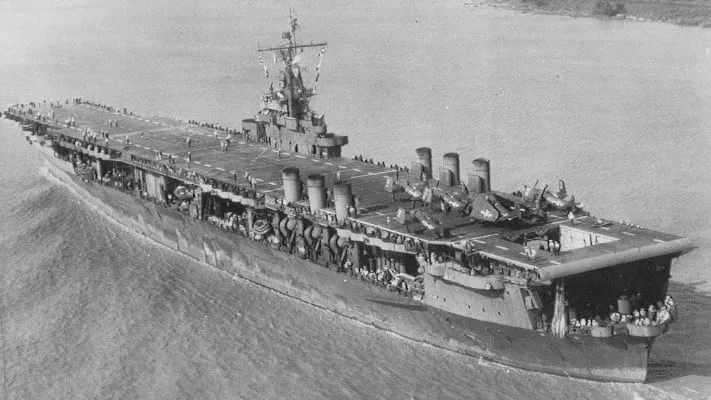
Reports indicate the Navy is assessing the feasibility of moving the island – the command and control center of an aircraft carrier – forward and towards the centerline of the ship. Currently, the island is situated towards the starboard (right) side of the flight deck. This proposed change stems from President Trump’s expressed dissatisfaction with the current appearance of these modern vessels. He reportedly favors a look that more closely resembles aircraft carriers from the World War II era.
This is not the first time such a request has been considered. During President Trump’s previous term, the Navy explored a similar modification. However, an earlier study concluded that relocating the island would necessitate hundreds of millions of dollars in additional expenses and could significantly postpone the construction schedule. The current review is revisiting these concerns in light of the President’s continued interest.
The Complexity of Moving the Island
Adjusting the position of the island is far from a simple structural alteration. Experts describe it as a “major reconstruction” because it impacts not only the ship’s balance and weight distribution but also its overall stability. The current placement of the island on modern carriers, including the Ford class, is a deliberate design choice. It allows for a more streamlined flight deck with angled “catwalks” that improve aircraft landing efficiency and provide more space for parked planes. Furthermore, this configuration helps mitigate the impact of jet blast during takeoff.
The rationale behind the angled catwalks and the island’s current position is to maximize the usable flight deck area and enhance operational safety and efficiency. Moving the island would require a fundamental redesign of these elements, potentially compromising the very advantages the current configuration provides.
A Pattern of Design Revisions
This latest consideration marks the second significant design revision prompted by President Trump’s directives regarding aircraft carrier aesthetics. Earlier in the month, the President signed a National Defense Authorization Act that mandated the Navy to explore reverting from the advanced Electro-Magnetic Aircraft Launch System (EMALS) to the older, steam-powered catapults on future carriers. This directive also raised concerns among former and current officials about potential cost overruns and schedule delays.
The Ford-class carriers are equipped with EMALS, a cutting-edge system designed to launch heavier aircraft more efficiently. The push to return to steam catapults, while aligning with a perceived “retro” preference, could negate years of technological development and investment in EMALS.
Cost and Schedule Concerns in Shipbuilding
The U.S. shipbuilding industry, particularly naval construction, has long grappled with challenges related to cost and schedule overruns. The construction of the Gerald R. Ford aircraft carrier, for instance, took 17 years. The USS John F. Kennedy is currently undergoing sea trials, while the USS Enterprise and USS Doris Miller are still under construction.
The Navy plans to build up to 10 Ford-class carriers over the next four decades. The Congressional Budget Office (CBO) estimates the cost of these future carriers to be approximately $22 billion each, totaling around $31 trillion for the entire class. The Navy is already contending with persistent issues such as chronic construction delays, budget overruns, and low aircraft readiness rates across its fleet.
Adding further design changes, especially those driven by aesthetic considerations rather than operational necessity, risks exacerbating these existing problems. The financial and logistical implications of redesigning the island structure could add billions of dollars and years to the construction timelines of these already complex and expensive vessels.
President Trump’s Continued Focus on Naval Appearance
President Trump has consistently shown a keen interest in the appearance and design of U.S. naval assets. Last year, he unveiled plans for a “Trump-class” new generation of carriers, part of his “Golden Fleet” initiative, emphasizing his desire for a distinct naval aesthetic. The CBO projected that the construction of these proposed “Trump-class” carriers could cost approximately $275 billion over 30 years.
The ongoing discussions about redesigning the island structure and reconsidering launch systems highlight a tension between the desire for a particular visual style and the practical realities of modern naval engineering, budget constraints, and shipbuilding schedules. The Navy faces the challenge of balancing these competing demands while ensuring its fleet remains technologically advanced and operationally effective.
