

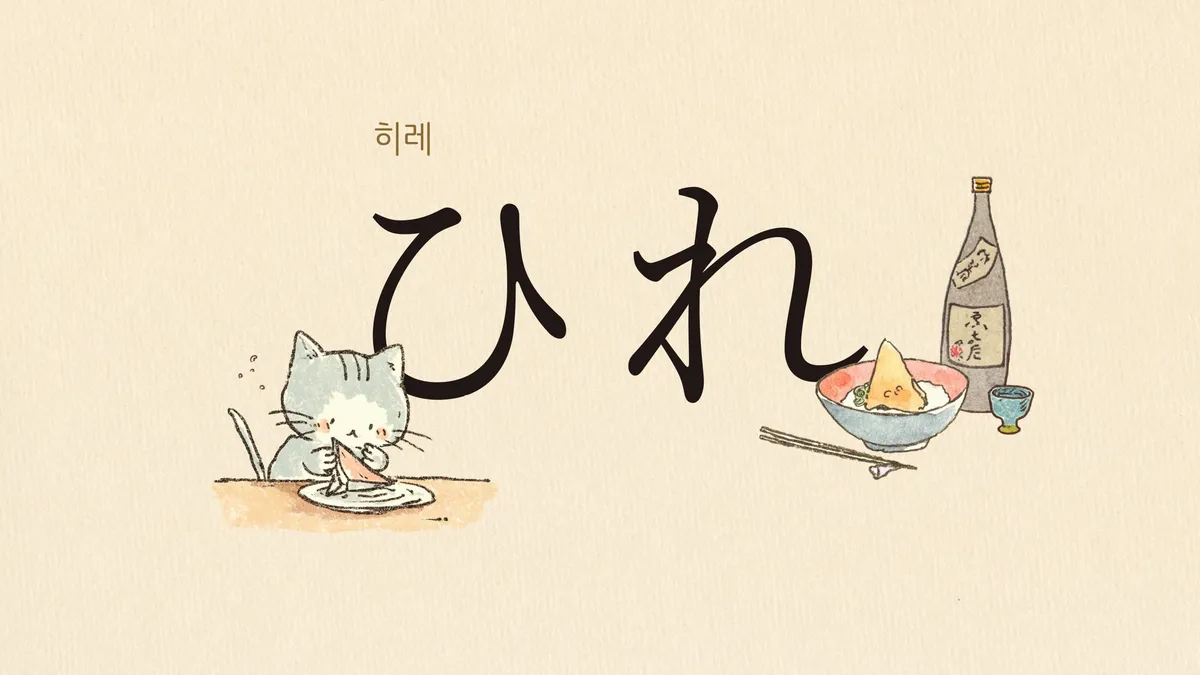
The word ‘hire’ (ひれ, ヒレ) appearing on Japanese menus holds a surprising dual meaning, often leading to confusion for diners. This single term can refer to either a fish’s fin or a choice cut of meat, derived from the French word ‘filet’. Understanding this distinction is key to navigating Japanese cuisine, from delicate seafood dishes to hearty meat preparations.
‘Hire’ as Fish Fin: From Shark’s Fin to Skate
One primary meaning of ‘hire’ in Japanese refers to the fin of a fish. The most renowned example is shark’s fin, known in Japanese as ‘fukahire’ (ふかひれ), literally meaning ‘shark’s fin’. While often perceived as an expensive delicacy in many cultures, including Korea, it can be surprisingly more affordable in Japan. In the Chinatowns of cities like Kobe, Yokohama, and Nagasaki, a bowl of shark’s fin soup might cost around 5,000 to 6,000 yen, making it more accessible than in Korean Chinese restaurants.
The Japanese characters for ‘fukahire’ are typically written as ‘鱶鰭’. However, this is a less commonly used kanji, and diners might sometimes see the characters ‘魚翅’ on menus in Japanese Chinatowns. These characters are the Chinese term for shark’s fin, ‘yùchì’, highlighting the dish’s origins and its esteemed status in Chinese culinary history. The use of ‘翅’ (chì), meaning ‘wing’ or ‘fin’, instead of a more generic term for fish (‘魚’, yú), suggests that shark’s fin was considered a premium ingredient, perhaps even fit for imperial consumption. The imagery of a wing-like appendage soaring through the sky might have been considered more grand and luxurious than a dragon’s fin, leading to this specific nomenclature.
Beyond shark’s fin, ‘hire’ also refers to the fins of other fish, particularly those used in popular izakaya (Japanese pub) dishes. A common example is ‘hirezake’ (ひれ酒), a warm sake infused with the dried fin of a pufferfish (fugu). This preparation is known for its unique, slightly savory flavor. For those craving a grilled snack, ‘eihire’ (えいひれ) is a popular choice. ‘Ei’ (えい) translates to ‘ray’ or ‘skate’, so ‘eihire’ is essentially grilled skate fin, a chewy and flavorful appetizer often enjoyed with drinks.
‘Hire’ as ‘Filet’: Premium Cuts of Meat and Fish
The second significant meaning of ‘hire’ (ヒレ) originates from the French word ‘filet’. In culinary terms, a filet refers to a boneless cut of meat or fish, typically a long, tender strip. The etymology traces back to the Latin word ‘filum’, meaning ‘thread’ or ‘string’. This connection is evident in related words like ‘filament’ (a thin thread) and ‘file’ (a collection of documents arranged like threads). In the context of food, ‘filet’ describes a cut that is long and string-like after the bones and often the central spine have been removed.
This definition extends to various food items. For instance, sashimi or grilled cuts of fish that have been meticulously deboned are referred to as ‘hire’. Similarly, in the realm of meat, the tenderloin of beef or pork is called ‘hire’. This cut is named ‘hire’ because its muscle fibers are long and stringy, reminiscent of the original Latin meaning. A prime example is the popular Japanese dish ‘hirekatsu’ (ヒレカツ), which is a breaded and deep-fried cutlet made from pork tenderloin. This is distinct from ‘rose katsu’ (ロースカツ), which is made from the loin cut and derives its name from the English word ‘roast’.
Distinguishing the Meanings: Kanji and Context
While both ‘hire’ (fish fin) and ‘hire’ (filet) are homonyms, the distinction is usually made clear through the writing system and context. Traditionally, fish fins are often written in hiragana (ひれ) or sometimes katakana (ヒレ), while the meat cut ‘filet’ is almost exclusively written in katakana (ヒレ). However, this distinction isn’t always strictly followed, and some establishments might use them interchangeably. Therefore, relying on context—whether the menu item is listed under seafood or meat sections, or accompanied by descriptive terms—is the most reliable way to determine which ‘hire’ is being offered.
The presence of ‘hire’ on a Japanese menu, therefore, invites a closer look. Whether one is anticipating the rich, gelatinous texture of shark’s fin, the savory chew of grilled skate, or the tender succulence of a pork tenderloin cutlet, the word ‘hire’ is a versatile descriptor that adds a layer of intrigue to the dining experience.
Conclusion: A Word of Many Flavors
The Japanese word ‘hire’ elegantly encapsulates two distinct yet equally valued culinary elements: the fin of a fish and a prime cut of meat. From the exotic allure of shark’s fin soup found in Japan’s Chinatowns to the comforting familiarity of pork tenderloin katsu, ‘hire’ signifies quality and specific preparation. While the use of hiragana (ひれ) versus katakana (ヒレ) can offer a clue, diners are best advised to consider the surrounding menu context to fully appreciate the delicious possibilities that the versatile term ‘hire’ presents.
