

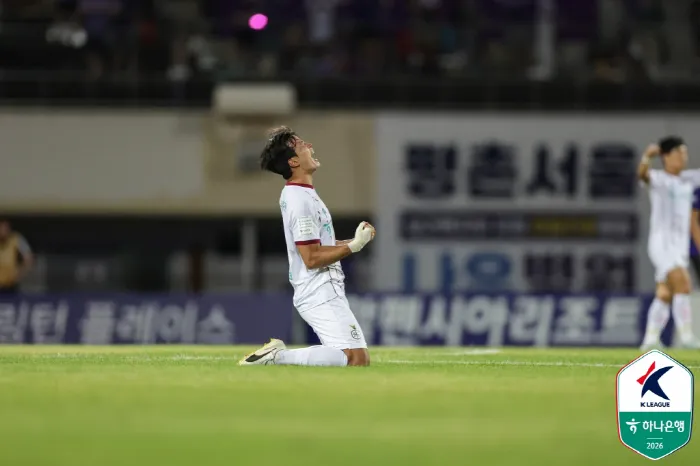
Daejeon Hana Citizen has ignited a spark of hope in the K League 1 standings, marking a significant turnaround after a challenging start to the season. Following a strong performance last year, expectations were high for the team, bolstered by the additions of key players like Cho Sung-kwon, Rubison, and Diogo. However, the initial games painted a starkly different picture, with the team struggling to find its footing.
Early Season Struggles and a Mid-Season Reset
The season kicked off with a series of draws, leading to an uneasy start for Daejeon. By their 15th match, the team had already endured two streaks of three consecutive losses. Their only significant winning streak came in late April and early May, with victories against Ulsan and Gwangju. The team then faced a much-needed break during the World Cup period, but unlike other teams who enjoyed extended rest, Daejeon’s squad was recalled after just ten days.
Under the guidance of Coach Hwang, the team aimed to rebuild and restart. A tactical shift saw the introduction of a three-back formation, moving Lee Min-jae from left-back. Despite these adjustments, the initial results in the second half of the season were disappointing, with the team falling into fourth place in their next four matches. A particularly devastating 3-2 comeback loss against Gimcheon Sangmu on May 25th seemed to extinguish any lingering hopes and deeply disheartened the fans. Support waned, with some fans even displaying white flags, and speculation about Coach Hwang Sun-hong’s future began to surface.
A Crucial Home Victory and a Shift in Momentum
Facing what felt like an insurmountable crisis, Daejeon began to show signs of a comeback. On June 2nd, they secured a vital 2-0 victory at home against Gwangju. This win, their first in ten home games, was incredibly significant. It not only marked their first three points in a decade of matches but, more importantly, broke a frustrating winless streak at their home ground. Throughout the season, Daejeon had struggled immensely at home, recording five draws and five losses in ten previous home fixtures, making them the only team in the league without a home win.
The match against Gwangju saw Coach Hwang make an extraordinary gesture, meeting with Daejeon supporters before the game. Given his typically reserved nature, this was a highly unusual move, reflecting the desperation and the critical juncture the team found itself in. He sought encouragement rather than enduring further criticism, underscoring the team’s urgent need for support.
Tactical changes were also evident. The team deployed forward Mas to the starting lineup, reverting to the aggressive, direct style of play that had impressed fans in the previous season. Additionally, Ju Min-gyu, who had lost some of his attacking threat due to aging, was utilized in a more withdrawn role, closer to a zero-top, to leverage his passing abilities. This strategic flexibility proved effective.
Securing a Second Consecutive Win and Climbing the Table
Following the crucial home win, Coach Hwang emphasized the need to maintain momentum. He stressed that securing a victory against Anyang was paramount to building on their newfound energy. The upcoming match was framed as a pivotal moment, determining whether the team would rebound or continue to slide down the table.
Daejeon managed to secure a 2-1 victory against Anyang, achieving their second consecutive win of the season. This success propelled them to 9th place in the league standings with 26 points. This resurgence by Daejeon has introduced a significant variable into the ‘Hana Bank K League 1 2026’ title race.
Looking Ahead: A Resurgent Daejeon in a Tight League
Despite spending much of the season in the lower half of the table, Daejeon’s squad is still considered a potential contender for the championship. If they can harness their current momentum and generate further synergy, they possess the capability to become a formidable force. With the exception of Park Gyu-hyeon, the team is now at full strength, with all players having returned from injury, allowing for a complete squad to be fielded.
The K League 1 this season has been characterized by close competition. Aside from league leaders Seoul (44 points), other top teams like Ulsan and Jeonbuk have also shown inconsistent performances. The point gaps are not substantial; the difference between Daejeon and 6th-placed Suwon (30 points), which represents the final spot in the Championship A group, is only four points. With their current winning streak, Daejeon has the potential to significantly alter the league’s landscape.
From this point forward, Daejeon is undoubtedly the team to watch. Their recent resurgence suggests that the race for the K League 1 title is far from over, and they are poised to make a significant impact in the remaining fixtures.
