

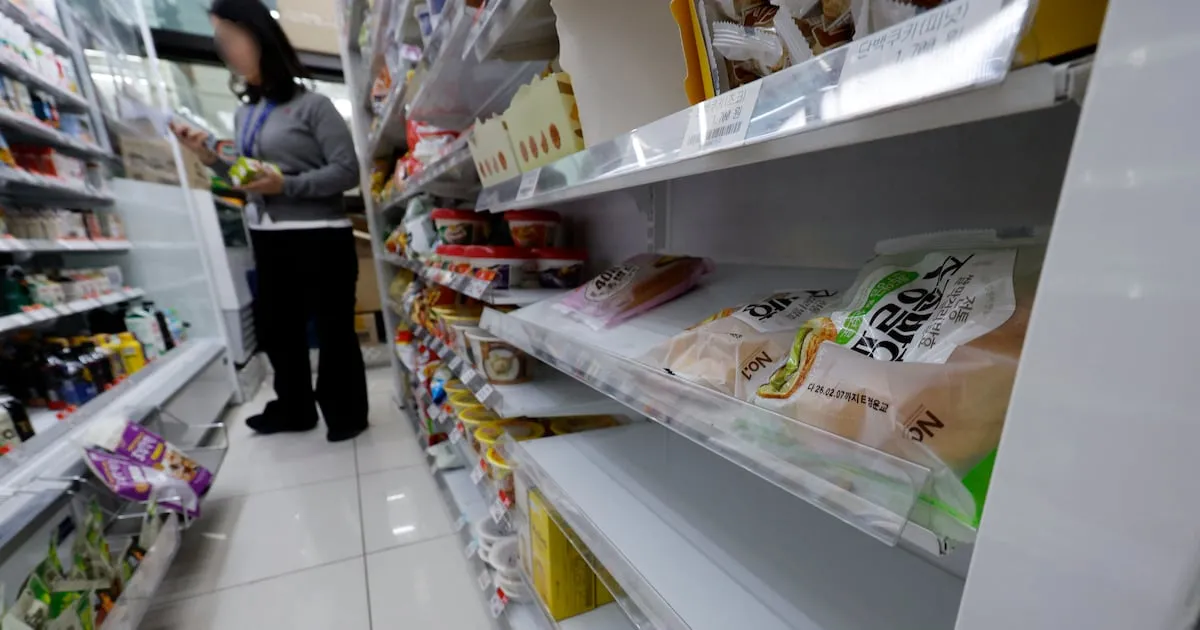
South Korean bakery giant Samlip will implement a price increase averaging 9% across more than 50 of its bread products starting September 1st. This adjustment marks the latest in a series of price hikes across various food sectors, driven by escalating raw material costs.
Key Price Adjustments Detailed
The price adjustments will affect a significant portion of Samlip’s popular offerings. Notably, the “Jeongtong Borumdal” bread, a staple item, will see its price rise from 1,800 won to 2,000 won, a 11.1% increase. Another popular item, “Hershey’s Choco Sand,” will go from 2,200 won to 2,400 won, a 9.1% jump. The “Cheese Fresh Pie” will also be affected, with its price increasing by 4.0% from 2,500 won to 2,600 won.
It is important to note that the specific products subject to price changes and the exact percentage of the increase may vary depending on the distribution channel. Samlip indicated that these variations are due to the different pricing structures and agreements in place with various retailers and convenience stores.
Reasons Behind the Price Hike
A representative for Samlip explained the necessity of the price adjustment, citing the significant and rapid rise in the cost of essential raw materials. The company stated that it had made considerable internal efforts to absorb these escalating costs, striving to maintain existing prices for as long as possible. However, the persistent upward pressure on ingredient prices made a price revision unavoidable for certain product lines.
“We have continuously strived to absorb the burden caused by the sharp increase in raw material costs through internal efforts,” the Samlip representative said. “Unfortunately, it has become inevitable to proceed with a price increase for some items.”
Broader Economic Context: Rising Food Prices
Ssamlip’s decision to increase prices reflects a broader trend impacting the food and beverage industry in South Korea and globally. Several factors are contributing to this inflationary pressure:
- Global Supply Chain Disruptions: Lingering effects of the COVID-19 pandemic and geopolitical events have disrupted global supply chains, leading to increased shipping costs and delays in the delivery of essential ingredients.
- Soaring Ingredient Costs: The prices of key baking ingredients such as wheat flour, sugar, edible oils, and dairy products have seen substantial increases in international markets. Factors like adverse weather conditions affecting crop yields in major producing regions and increased demand have driven these costs up.
- Energy Price Volatility: Rising global energy prices directly impact production costs for food manufacturers, from powering factories to transporting finished goods.
- Labor Costs: In many regions, including South Korea, labor costs have also been on the rise, adding another layer of expense for businesses.
Consumers have already been experiencing price increases across a range of food products, including processed foods, snacks, and restaurant meals. This latest announcement from Samlip signifies that the impact is now being felt in the bakery sector as well, affecting everyday staples for many households.
Samilp’s Commitment and Future Outlook
Despite the price adjustments, Samlip has emphasized its ongoing commitment to product quality and customer satisfaction. The company aims to continue providing high-quality baked goods while navigating the challenging economic landscape. The long-term strategy likely involves exploring further efficiencies in production and supply chain management, as well as potentially diversifying ingredient sourcing to mitigate future cost shocks.
Industry analysts suggest that further price adjustments may be necessary across the food sector if the underlying cost pressures do not abate. Consumers, meanwhile, are likely to face continued pressure on their grocery budgets as businesses pass on increased operational expenses. Samlip’s move serves as a clear indicator of the significant economic headwinds the industry is currently facing, necessitating difficult decisions to maintain business viability while striving to balance consumer affordability.
The company’s announcement serves as a reminder of the complex interplay between global economic factors, raw material markets, and the final price consumers pay for everyday goods. As Samlip adjusts its pricing, the focus remains on how consumers will adapt to these changes and how the company will manage its market position amidst these evolving economic conditions.
