

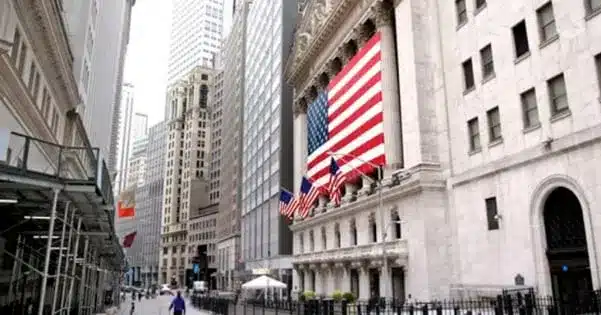
U.S. stock markets experienced a mixed trading session on the 6th, with the Nasdaq Composite showing upward momentum driven by a surge in healthcare stocks, particularly Moderna. The Dow Jones Industrial Average, however, saw a slight decline, weighed down by weakness in the semiconductor sector. Investors are closely watching developments in U.S.-Iran relations and awaiting further clarity on economic forecasts.
Nasdaq Edges Higher, Healthcare Leads Gains
The Nasdaq Composite index climbed 0.2% to trade at 26,414.95. This positive movement was largely fueled by a significant gain in Moderna, which rose over 1% following news that the U.S. Food and Drug Administration (FDA) has approved its messenger RNA (mRNA) influenza vaccine. This marks a significant development, as it is the world’s first mRNA-based flu vaccine. Moderna plans to supply the vaccine for administration to adults aged 50 and older starting this fall.
The S&P 500 index also saw a modest increase, trading up 0.12% at 7,732.53. This broader market index benefited from the strength in the healthcare sector, though it was tempered by losses in other areas.
Semiconductor Sector Faces Headwinds
In contrast to the broader market’s positive lean, the Dow Jones Industrial Average dipped 0.1% to 54,297.03. A primary driver of this decline was the poor performance of semiconductor stocks. Shares of SanDisk plummeted by more than 5% after the company issued first-quarter revenue guidance of $1.03 billion to $1.08 billion, which fell short of investor expectations. This forecast led to a contraction in investor sentiment, with Micron Technology also experiencing a decline of over 1%.
The struggles in the semiconductor industry highlight the sensitivity of technology-focused companies to forward-looking financial projections and broader economic conditions. Investors are scrutinizing earnings reports and guidance closely for signs of future growth or potential slowdowns.
International Markets and Oil Prices Show Mixed Trends
European stock markets generally trended higher, with the EURO STOXX 50 index rising 0.64%. The French CAC 40 and German DAX indices also posted gains of 0.7% and 0.12%, respectively. However, the UK’s FTSE 100 index bucked the trend, recording a slight decrease of 0.05%.
International oil prices saw an increase, with West Texas Intermediate (WTI) crude for September delivery trading up 1.22% at $76.14 per barrel. This rise in oil prices comes as markets await the outcome of ongoing negotiations between the United States and Iran. Reports from The Wall Street Journal indicated that the two nations were nearing a preliminary agreement on a temporary ceasefire, potentially paving the way for the reopening of the Strait of Hormuz, which has been closed since a conflict erupted in February. While a tentative agreement is reportedly in place, further discussions are anticipated to finalize the details.
Diageo Boosts Consumer Staples
In other corporate news, major beverage company Diageo saw its stock price increase by over 3% following the announcement of cost-cutting measures. This move by Diageo provided a boost to the consumer staples sector, demonstrating that even established companies are focusing on operational efficiency to drive shareholder value.
Investor Focus on Geopolitical and Economic Factors
The trading day’s activity underscored a market environment characterized by diverse influences. While positive developments in the healthcare sector and a potential easing of geopolitical tensions offered support, concerns over semiconductor industry performance and broader economic uncertainties kept some investors cautious. The upcoming economic data releases and the progression of international diplomatic efforts will likely shape market sentiment in the near term.
Market participants are carefully evaluating the interplay between corporate earnings, sector-specific challenges, and global events. The resilience of the Nasdaq, driven by innovation in biotechnology, contrasts with the vulnerability of sectors reliant on hardware manufacturing and global supply chains. As the week progresses, attention will remain fixed on how these competing forces influence trading patterns and overall market direction.
