

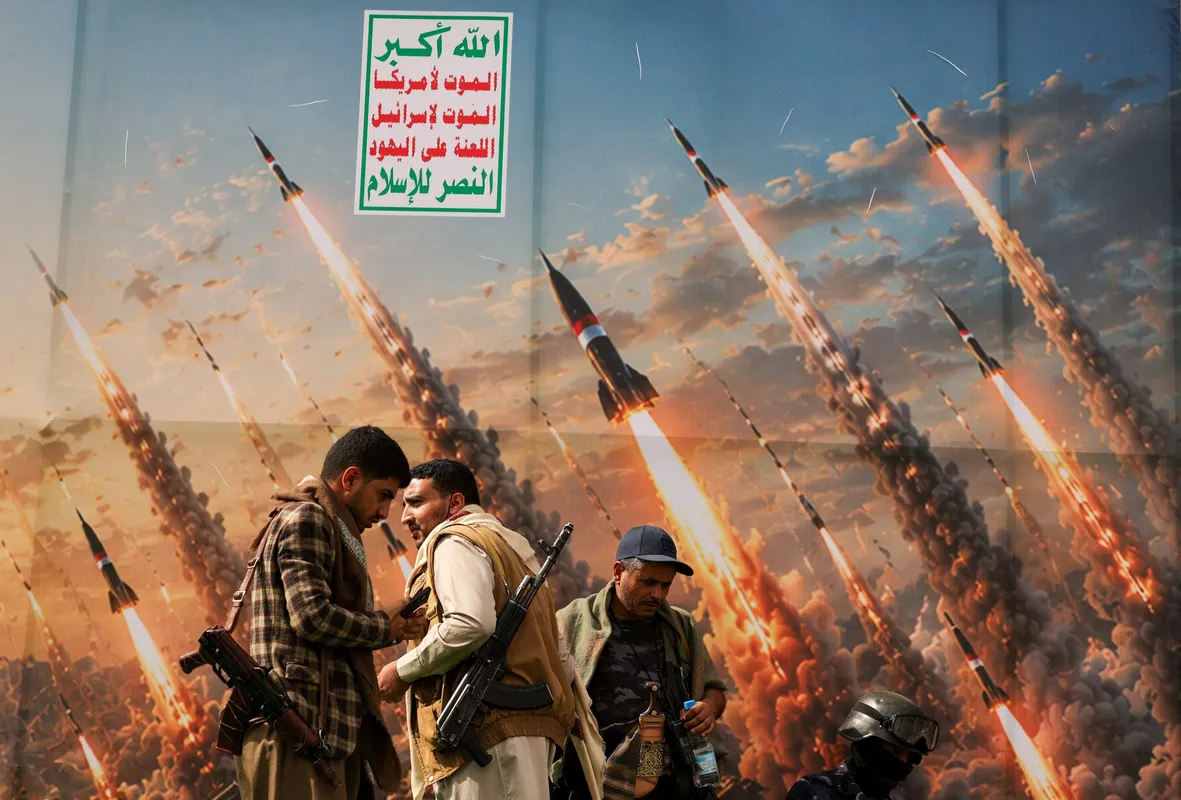
Amid escalating tensions and speculation of potential U.S. and Israeli strikes, Iran has issued a stern warning to its neighbors, vowing to retaliate against regional oil and gas infrastructure if its own energy facilities are attacked. This declaration signals a significant escalation in the ongoing geopolitical standoff, with global energy markets bracing for potential disruption.
Iran’s Escalatory Threat
Reports from major outlets like Reuters and The Wall Street Journal indicate that the United States and Israel may be preparing for large-scale attacks on Iranian energy infrastructure. In response, Iran’s Foreign Minister, Hossein Amir-Abdollahian, has engaged in high-level diplomatic calls with officials from Saudi Arabia, Turkey, and Pakistan. During a conversation with his Turkish counterpart, Amir-Abdollahian reportedly discussed the “destabilizing actions” of the U.S. He specifically conveyed to the Saudi Foreign Minister that any aggression by the U.S. or Israel, or actions by other regional powers, would face a “swift and decisive” response from Iran. This message appears to be a direct response to Saudi Arabia’s alleged participation in a recent strike against a pro-Iranian militia, a move that Iran views as a provocation.
A media outlet linked to Iran’s Supreme National Security Council, Nour News, further elaborated on the potential consequences, stating that if the U.S. military targets Iranian infrastructure, Iran would retaliate by striking oil and gas fields in Saudi Arabia and the United Arab Emirates, as well as gas facilities in Qatar and Israel. The outlet ominously concluded that these facilities would be “turned into ruins.” This pre-emptive threat suggests Iran is prepared to extend its military actions beyond its borders in response to perceived aggression.
Regional Repercussions and Military Posturing
The escalating rhetoric has already been accompanied by tangible military actions in the region. Kuwait’s military reported thwarting an Iranian drone attack targeting key facilities in the northern part of the country. Concurrently, Iran’s Houthi allies in Yemen have begun threatening the Bab el-Mandeb strait, a critical route for Saudi oil exports. Reports also indicate suspicious activities and potential attacks by unidentified vessels near Oman’s coast, disrupting vital shipping lanes.
These developments have heightened anxieties across the Middle East, prompting many countries with significant expatriate populations to issue advisories for their citizens. The U.S. embassies in countries like Jordan and Iraq have reportedly placed their personnel on heightened alert, urging them to prepare for potential military strikes.
U.S. Stance and Market Volatility
Despite the rising tensions, U.S. President Donald Trump has expressed a belief that a diplomatic resolution with Iran might still be achievable. He indicated this during a meeting with his national security team, including advisors Jared Kushner and Secretary of State Mike Pompeo. However, President Trump quickly tempered this optimism by criticizing Iran for frequently breaking its promises and explicitly stating the possibility of military action against the country. This mixed messaging reflects a complex internal debate within the U.S. administration.
Reports suggest that the Trump administration is willing to tolerate a short-term surge in oil prices as a consequence of potential economic sanctions against Iran, primarily aimed at preventing Tehran from acquiring nuclear weapons. Indeed, Brent crude oil prices saw a significant increase of 24% in July alone. Nevertheless, there are indications that some within the administration are also concerned about the political ramifications of economic pressure on Iran.
Broader Geopolitical Context
The current situation is deeply intertwined with Iran’s nuclear program and its regional influence. The U.S. has consistently sought to curb Iran’s ability to develop nuclear weapons, while Iran asserts its right to peaceful nuclear energy. The exchange of threats and the potential for military confrontation underscore the fragility of peace in the Middle East, a region crucial for global energy supplies. The actions and reactions of Iran, the U.S., and Israel, alongside the responses of regional Arab states, will likely shape the trajectory of the conflict and its impact on international markets and security.
Conclusion
As the diplomatic channels remain fraught with tension and the threat of military action looms, the Middle East stands at a critical juncture. Iran’s explicit warning regarding its energy infrastructure and its vow to retaliate against any aggression highlights the potential for a wider conflict. The international community is closely monitoring the situation, aware that any miscalculation could lead to severe consequences for regional stability and the global economy, particularly concerning energy supplies.
