

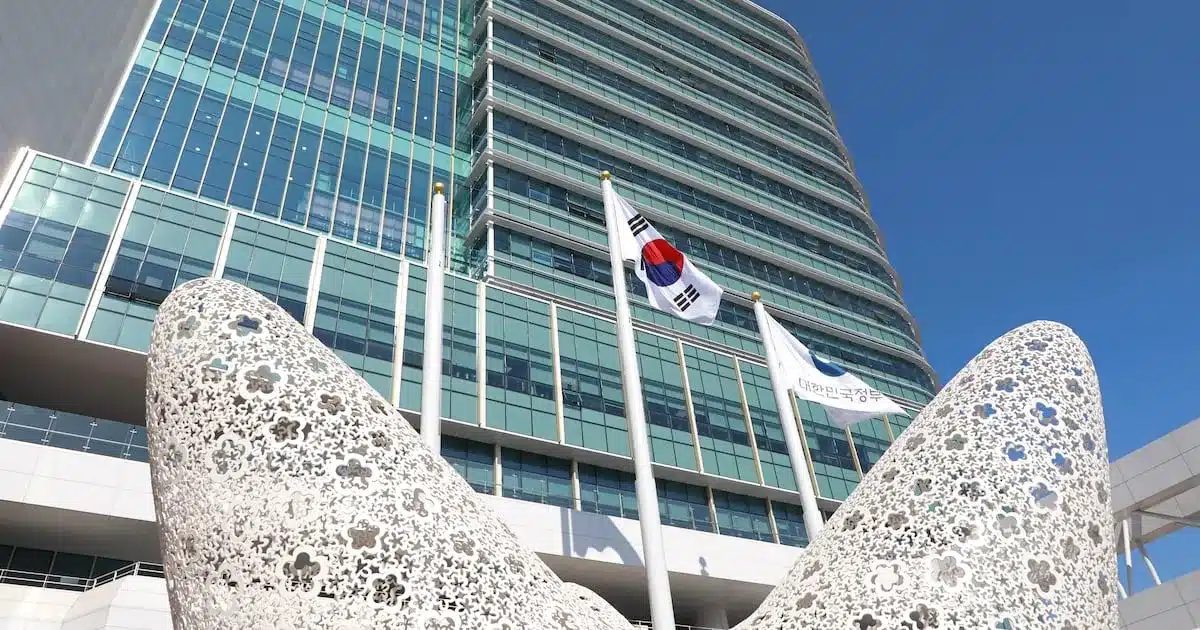
South Korea’s government has decided to abolish the daily limit on overtime pay for civil servants, allowing them to receive compensation for all hours worked beyond their standard schedule, even if it exceeds four hours per day. This policy change, announced by the Ministry of Personnel Innovation and the Ministry of the Interior and Safety, aims to ensure civil servants are adequately compensated for their extended work hours.
Background and Rationale for Policy Change
Previously, civil servants could only receive overtime pay for up to four hours of work per day, even if they worked longer. Any hours worked beyond this four-hour cap were not compensated. This regulation was based on a directive from President Yoon Suk-yeol in April, who called for improvements in the system for managing and compensating overtime work, emphasizing that necessary overtime should be recognized and compensated accordingly, while procedural overtime should be reformed.
The Ministry of Personnel Innovation stated that the revision is intended to “improve the system so that civil servants can receive appropriate compensation for the time they work.” The proposed amendment to the relevant laws governing civil servant overtime pay was put forth for public notice.
Key Revisions to Overtime Compensation Rules
The core of the amendment involves lifting the daily cap of four hours for overtime work. However, a monthly limit on overtime hours will be maintained. Civil servants will still be subject to a monthly overtime work limit of 57 hours. This means that as long as the total overtime worked in a month does not exceed 57 hours, compensation will be provided for all hours worked, regardless of whether they exceed the previous four-hour daily limit.
Furthermore, the existing provision that allowed for an extension of the monthly overtime limit up to 100 hours in cases requiring urgent response will also be abolished. This suggests a move towards more standardized overtime management, rather than ad-hoc extensions.
The authority to approve overtime work will also be lowered. Previously, approvals could be granted by department heads, but this authority will now be delegated to division or team leaders, streamlining the approval process.
Criticism from Civil Servant Labor Union
Despite the government’s stated intention to improve compensation, the Korean Public Officials’ Labor Union (KOPLU) has sharply criticized the policy change. In a statement, KOPLU described the revision as “the worst institutional reform that institutionalizes overwork.” The union argues that the changes do not address the fundamental issues of excessive workload and instead create a system that encourages longer working hours.
KOPLU further contended that the current overtime pay system is unfair, as it only recognizes between 50% and 60% of the standard wage for overtime hours, depending on the job grade. They argue that this constitutes an unfair reduction and that the overtime pay reduction rate itself should be abolished.
The union’s criticism highlights a potential disconnect between the government’s goal of fair compensation and the labor union’s perspective on sustainable work practices and equitable pay for all hours worked. The union believes that simply removing the daily cap without addressing the underlying workload or the reduction rate for overtime pay will lead to increased burnout among civil servants.
Broader Implications and Future Outlook
The policy change comes amidst ongoing discussions about work-life balance and the demanding nature of public service in South Korea. While the government aims to ensure that civil servants are compensated for their dedication and hard work, labor groups are concerned about the potential for increased pressure to work longer hours. The abolition of the daily limit could lead to a situation where civil servants feel compelled to work more overtime to meet perceived expectations, even if the total monthly hours remain within the 57-hour limit.
The government
