

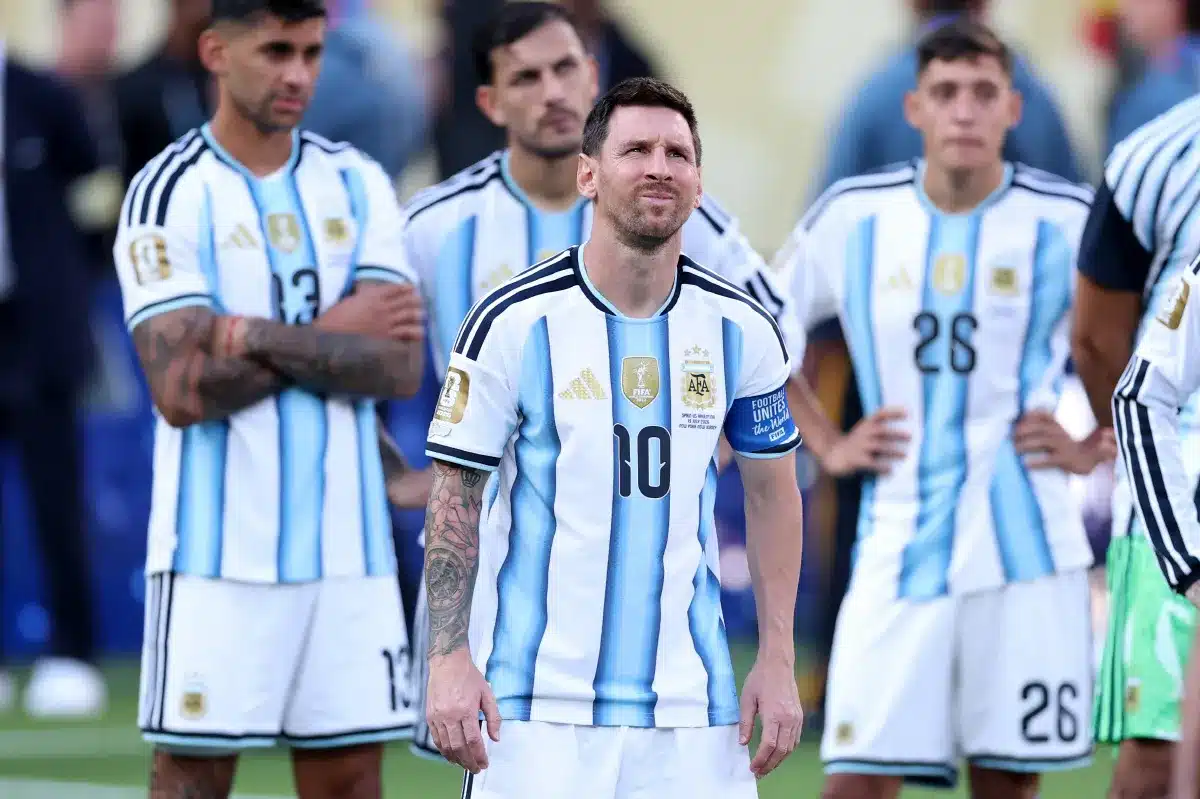
Lionel Messi is reportedly set to miss the 2026 Major League Soccer (MLS) All-Star Game, a decision that significantly diminishes the likelihood of a highly anticipated matchup against Tottenham Hotspur star Son Heung-min. The absence of the Argentine icon from the mid-season exhibition event stems from a combination of player welfare regulations and his personal recovery needs following a demanding international tournament.
Messi’s Absence from MLS All-Star Game
Global sports media outlet ESPN reported on June 21st (Korean time) that Lionel Messi, the celebrated captain of Argentina and Inter Miami, is expected to be unavailable for the upcoming MLS All-Star Game. This news comes as a disappointment to fans eager to see the soccer legend participate in one of the league’s marquee events.
Inter Miami, Messi’s current club, has officially informed Major League Soccer of Messi’s and his teammate Rodrigo de Paul’s unavailability for the All-Star festivities. This notification is based on established player protection protocols designed to ensure the well-being of professional athletes, particularly those involved in major international competitions.
Player Welfare Regulations Impacting All-Star Selection
The decision is underpinned by agreements between the Fédération Internationale de Football Association (FIFA) and the Fédération Internationale des Footballeurs Professionnels (FIFPRO), the international players’ union. These regulations stipulate crucial rest periods for players to prevent burnout and reduce the risk of injury.
- Minimum Rest Between Matches: A minimum of 72 hours of rest must be observed between competitive matches.
- End-of-Season Break: Players are entitled to a minimum of 21 days of rest or vacation following the conclusion of their club season.
These guidelines are particularly relevant for players like Messi and de Paul, who recently competed in a major international tournament. The exact duration of their rest period and vacation plans with Inter Miami are still under discussion. However, their participation in the immediate upcoming matches against the Chicago Fire and CF Montréal has already been ruled out.
Potential Impact on Son Heung-min Matchup
The MLS All-Star Game, scheduled for July 30th, was slated to feature a team of MLS’s top talent facing a squad from Mexico’s Liga MX. The initial roster announcement by MLS on July 10th included 26 players, notably featuring both Lionel Messi and Son Heung-min, sparking significant excitement among global football enthusiasts. Son, a star forward for Tottenham Hotspur, represents one of the most recognizable figures in the Premier League and a key player for the South Korean national team.
Messi and de Paul are eligible to receive up to three weeks of vacation following their World Cup final appearance. Given this provision and the timing of the All-Star Game, their absence from the exhibition match is understandable. The potential clash between Messi and Son, two of the sport’s most electrifying attackers, was a major draw for the event. Messi’s confirmed unavailability means this highly anticipated duel will not materialize.
Context of the MLS All-Star Game
The MLS All-Star Game is an annual exhibition match that pits the league’s best players against a prominent international opponent. In recent years, MLS All-Stars have faced top clubs like Arsenal, Real Madrid, and Juventus. This year’s format, pitting MLS stars against their Liga MX counterparts, was intended to foster a friendly rivalry between the two North American leagues.
The selection of players for the All-Star Game is typically a mix of fan votes, player votes, and selections made by the MLS All-Star head coach. The inclusion of global superstars like Messi and Son on the roster highlights the growing international profile of Major League Soccer. However, the league must balance the spectacle of the event with the critical need for player rest and recovery, especially in a condensed and demanding schedule.
Player Fatigue and Scheduling Challenges
The demanding nature of modern professional football, with its packed schedules and international competitions, presents ongoing challenges for player welfare. Leagues and governing bodies are increasingly focused on implementing measures to protect athletes from overexertion and potential injuries. The regulations cited in Messi’s and de Paul’s case are a direct reflection of this growing concern.
For players like Messi, who have had extensive careers at the highest level and recently participated in a grueling World Cup campaign, the need for adequate rest is paramount. While his absence from the All-Star Game may disappoint fans, it prioritizes his long-term health and performance for both Inter Miami and the Argentine national team. This situation underscores the delicate balance between commercial appeal, fan engagement, and the fundamental well-being of the athletes who are the heart of the sport.
Conclusion
Lionel Messi’s expected absence from the 2026 MLS All-Star Game, driven by player welfare regulations and a need for rest, means fans will not witness a direct on-field confrontation with Son Heung-min in this particular event. While the league aims to provide exciting matchups, the commitment to player health remains a critical factor in scheduling and participation decisions. The focus now shifts to Messi’s continued contributions for Inter Miami and his future appearances in league fixtures, where fans can still catch him in action.
