

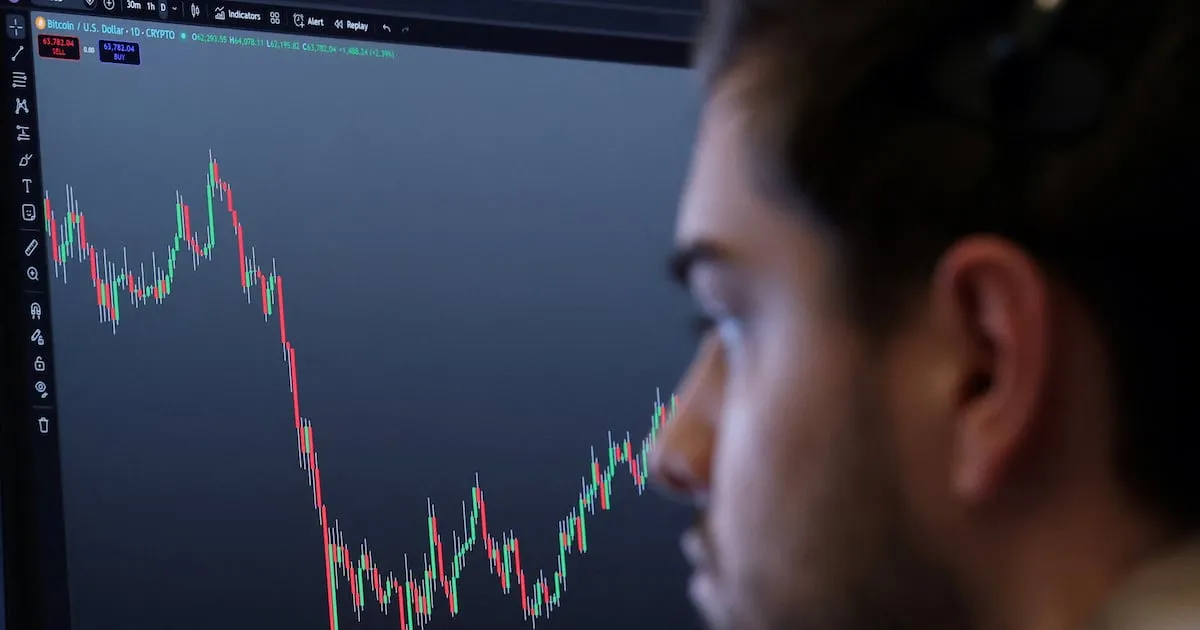
New York stock markets experienced a notable upswing as recent inflation data came in below projections, providing a much-needed breather for investors. The positive sentiment was further bolstered by strong second-quarter earnings reports from several major U.S. financial institutions. On July 14th, the three major U.S. stock indices all closed higher, with the S&P 500 gaining 0.4% and the Nasdaq Composite jumping 0.9%. The Dow Jones Industrial Average, however, finished the day relatively flat.
Inflation Cools, Easing Economic Concerns
The primary driver for the market’s positive performance was the release of the latest Consumer Price Index (CPI) data earlier in the day. The U.S. Bureau of Labor Statistics reported that the CPI rose by 3.5% in June compared to the same month last year. This figure represents a slowdown from the 4.2% increase observed in May and fell short of the 3.8% forecast by economists surveyed by Dow Jones.
Of particular significance was the core CPI, which excludes the more volatile energy and food prices. This measure increased by 2.6% year-over-year, a marked deceleration from May’s 2.9% rise. This cooling inflation trend suggests that the inflationary pressures, partly exacerbated by geopolitical tensions, may be subsiding.
Skyler Weinand, Chief Investment Officer at Reigan Capital, commented on the inflation figures, noting to CNBC that the weaker-than-expected CPI numbers indicate a potential easing of the rapid inflation that had been fueled by global conflicts. However, he cautioned that the relief might be temporary, given the recent period of heightened market anxiety.
Financial Sector Shines with Robust Q2 Earnings
Adding to the optimistic market atmosphere were encouraging second-quarter financial results from several large U.S. banks. These reports provided concrete evidence of the sector’s resilience and profitability.
- JPMorgan Chase reported a significant 41% year-over-year increase in its second-quarter net income, reaching $21.2 billion.
- Goldman Sachs also posted strong results, with its second-quarter net profit soaring to $6.63 billion, a substantial jump from $3.72 billion in the same period last year.
These strong performances from leading financial institutions helped to lift investor confidence, demonstrating the banking sector’s ability to navigate the current economic landscape effectively.
Mixed Results for Tech Giants and a Surprise Rebound
While the broader market showed strength, individual company performances varied. IBM, which had previously signaled weaker results, saw its stock price plummet by 25%. The technology and consulting firm announced that its second-quarter revenue was projected to increase by only 1% year-over-year, reaching an estimated $17.2 billion. IBM’s Chief Executive Officer, Arvind Krishna, attributed the shortfall to the company’s inability to move quickly enough and the failure of several large deals to close within the expected timeframe.
In a surprising turn of events, SK Hynix experienced a dramatic rebound, with its stock surging 27.3% after a significant drop of over 9% the previous day. Market analysts suggested that SK Hynix’s recovery might have been influenced by IBM’s pre-announcement of its quarterly results. Krishna noted that customers were rushing to purchase storage and memory products before anticipated price increases, leading to a shift in demand towards these items late last month. This surge in demand for memory products has generated optimism for companies like SK Hynix, a major memory chip manufacturer.
Geopolitical Tensions Ease Slightly, Oil Prices Stabilize
While not entirely extinguished, tensions in the Middle East showed some signs of de-escalation compared to the previous day. U.S. President Donald Trump reversed a decision to impose a 20% tariff on imported aluminum from countries that had been allies in the region. This move helped to temper the rise in international oil prices, which had seen a slight increase earlier.
Brent crude oil closed the day up 1.7% at $84.73 per barrel, and U.S. West Texas Intermediate (WTI) crude oil rose 1.5% to $79.34 per barrel. Although prices increased, the moderation in their ascent following President Trump’s statement indicated a slight easing of immediate concerns related to potential supply disruptions.
Conclusion: A Day of Relief and Cautious Optimism
The U.S. stock market closed on a positive note, driven by the dual forces of moderating inflation and robust performance from key financial institutions. While challenges remain, particularly in the technology sector as exemplified by IBM’s struggles, the lower-than-expected CPI figures provided a significant boost to investor confidence. The slight easing of geopolitical tensions also contributed to a more stable outlook for oil prices. Investors will continue to monitor inflation trends and corporate earnings closely as the economic landscape evolves.
