

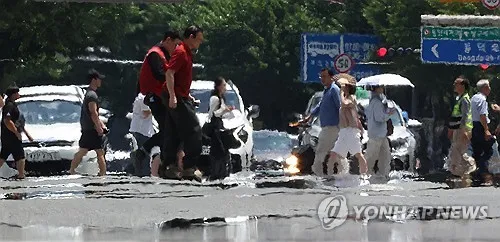
Cheongju, South Korea is experiencing an unrelenting heatwave, with temperatures failing to drop significantly even after sunset. This phenomenon, known as a tropical night, has now persisted for two consecutive days, offering little respite from the oppressive daytime heat. The situation has prompted meteorological authorities to issue warnings and advise residents on safety precautions.
Understanding Tropical Nights and Heatwaves
A tropical night occurs when the minimum temperature overnight remains above 25 degrees Celsius (77 degrees Fahrenheit). This prevents the ambient temperature from cooling down sufficiently, leading to discomfort and potential health risks. In Cheongju, the minimum temperature recorded from Tuesday evening to Wednesday morning was 27.2 degrees Celsius, well above the threshold for a tropical night. This follows a similar pattern on Monday and Tuesday nights, marking two consecutive nights where residents struggled to find relief from the heat.
The Cheongju Meteorological Office issued a tropical night advisory on Tuesday afternoon, which remains in effect. Officials attribute the persistent high overnight temperatures to a continuous influx of warm, moist southerly winds. These winds prevent the air from cooling down significantly, trapping heat and humidity in the region.
Forecast for Continued Heat
The outlook suggests that the intense heat is unlikely to subside in the immediate future. The Cheongju Meteorological Office has forecast that daytime high temperatures will remain extremely high, with the perceived temperature potentially reaching as high as 35 degrees Celsius (95 degrees Fahrenheit) in areas under a heatwave warning, including Cheongju, Chungju, Goesan, Yeongdong, and Okcheon.
Regions under a heatwave advisory, such as Jecheon, Danyang, Eumseong, Jincheon, Jeungpyeong, and Boeun, are also expected to experience very hot conditions, with perceived temperatures exceeding 33 degrees Celsius (91.4 degrees Fahrenheit).
The situation could become even more uncomfortable in areas where brief showers occur in the afternoon. While rain might offer a temporary cooling effect, the subsequent increase in humidity can lead to even higher perceived temperatures, creating a sticky and muggy atmosphere that feels particularly oppressive.
Health Risks and Public Advisory
The prolonged and intense heat poses significant health risks, including heatstroke and heat exhaustion. The Cheongju Meteorological Office emphasized the high possibility of heat-related illnesses and urged the public to take necessary precautions.
Key recommendations include:
- Minimize Outdoor Activities: Residents are advised to limit strenuous outdoor activities, especially during the hottest parts of the day.
- Stay Hydrated: It is crucial to drink plenty of water throughout the day, even if not feeling thirsty. Avoid excessive consumption of alcohol or caffeine, which can contribute to dehydration.
- Seek Cool Environments: Whenever possible, spend time in cool, air-conditioned environments. If air conditioning is unavailable, use fans and take cool showers or baths.
- Protect Vulnerable Populations: Elderly individuals, young children, pregnant women, and those with chronic health conditions are particularly susceptible to heat-related illnesses and require extra attention.
- Food Safety: With rising temperatures, the risk of foodborne illnesses increases. It is essential to practice strict hygiene in food preparation and storage to prevent food poisoning. Ensure food is cooked thoroughly and refrigerated promptly.
A spokesperson for the Cheongju Meteorological Office reiterated the importance of these measures, stating, “The possibility of heat-related illnesses is high, so we urge everyone to refrain from outdoor activities and going out unless necessary. Please strictly manage hygiene to prevent food poisoning.”
Broader Impact of the Heatwave
Beyond the immediate health concerns, prolonged heatwaves can have wider societal and economic impacts. Agricultural sectors are particularly vulnerable, with crops at risk of damage from excessive heat and potential water shortages. Infrastructure, such as roads and power grids, can also be strained by extreme temperatures.
The persistent heat also affects daily life, influencing work patterns, leisure activities, and energy consumption as people rely more heavily on cooling systems. The ongoing tropical nights exacerbate fatigue and reduce productivity, creating a challenging environment for both individuals and businesses.
Authorities continue to monitor the weather situation closely and will provide updates as necessary. Residents are encouraged to stay informed about weather advisories and follow safety guidelines to mitigate the risks associated with this severe heatwave.
