

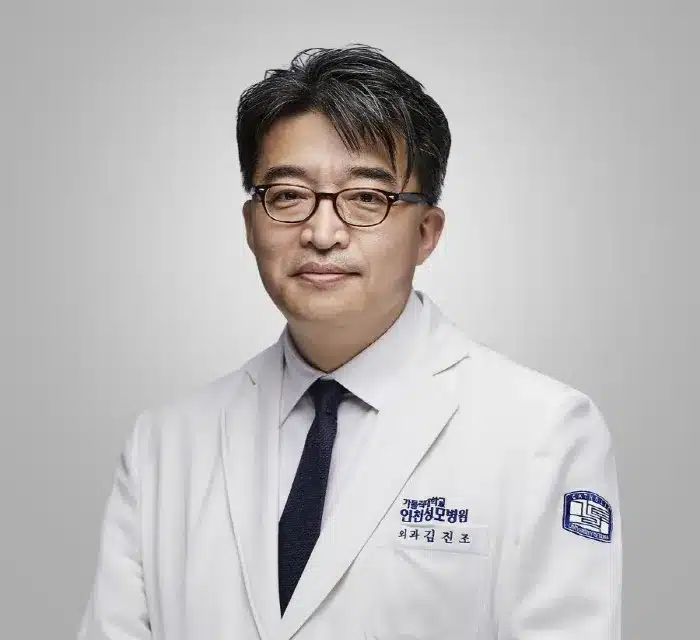
Dr. Kim Jin-jo, a distinguished professor of surgery at the Catholic University of Korea Incheon St. Mary’s Hospital, has been appointed as the 3rd President of the Korean Society for Upper Gastrointestinal Surgery (KASU). The esteemed surgeon officially assumed leadership on July 1, 2024, and will serve a two-year term concluding on June 30, 2026.
Leadership Transition and the Society’s Mission
The appointment took place during the international academic conference ‘FORS 2026 (Foregut Surgery International Congress 2026)’, held recently at the ‘Hayatt Regency Incheon Paradise City’ in Yeongjongdo, Incheon. The Korean Society for Upper Gastrointestinal Surgery is a pivotal academic body dedicated to advancing the field of upper gastrointestinal surgery, which encompasses procedures for the esophagus, stomach, and obesity. Its core mission revolves around enhancing the quality of patient care and promoting academic development within this specialized area of medicine.
KASU actively fosters academic exchange and collaborative research both domestically and internationally. The society plays a crucial role in nurturing the next generation of gastrointestinal surgeons through comprehensive education programs. By hosting international conferences and facilitating academic discourse, KASU aims to expand collaboration and knowledge-sharing with medical professionals worldwide, thereby elevating the standards of surgical practice and patient outcomes.
Dr. Kim Jin-jo’s Extensive Background and Expertise
Dr. Kim Jin-jo brings a wealth of experience and a strong academic foundation to his new role. He graduated from the College of Medicine at The Catholic University of Korea and subsequently earned both his Master’s and Doctoral degrees from the same institution. Currently, he holds significant leadership positions at the Catholic University of Korea Incheon St. Mary’s Hospital, serving as the Director of the Obesity and Metabolic Surgery Center and the Head of the Inpatient Treatment Department.
His clinical and research endeavors have primarily focused on critical areas within upper gastrointestinal surgery, including the surgical treatment of gastric and esophageal cancers, functional disorders of the esophagus such as achalasia, and minimally invasive bariatric surgery for obesity. Dr. Kim has consistently contributed to the academic community through active participation in domestic and international exchanges and has been instrumental in cultivating surgical talent.
In addition to his new role with KASU, Dr. Kim also served as the 8th President of the Korean Society of Bariatric Surgery, a testament to his broad expertise and leadership in related surgical fields. His ongoing commitment to academic activities underscores his dedication to the progress of gastrointestinal surgery.
Vision for the Future of Upper Gastrointestinal Surgery
Speaking about his appointment, Dr. Kim Jin-jo expressed his commitment to advancing the field of upper gastrointestinal surgery in Korea. “I will do my utmost to ensure that the Korean Society for Upper Gastrointestinal Surgery contributes significantly to the development of upper gastrointestinal surgery in our country through vibrant academic exchange and research collaboration,” he stated.
Dr. Kim further elaborated on his vision, emphasizing the integration of clinical practice and academic advancement. “Leveraging the extensive clinical experience and research capabilities accumulated at Incheon St. Mary’s Hospital, I will strive to ensure that academic development and the improvement of patient treatment quality go hand in hand,” he pledged. This dual focus highlights his dedication to both pioneering new surgical techniques and ensuring that patients receive the highest standard of care.
His leadership is expected to usher in a new era for the society, marked by enhanced research initiatives, expanded international partnerships, and a continued focus on improving patient outcomes through cutting-edge surgical practices and dedicated education for future surgeons. The society anticipates significant contributions under his guidance, further solidifying Korea’s position in the global landscape of upper gastrointestinal surgery.
