

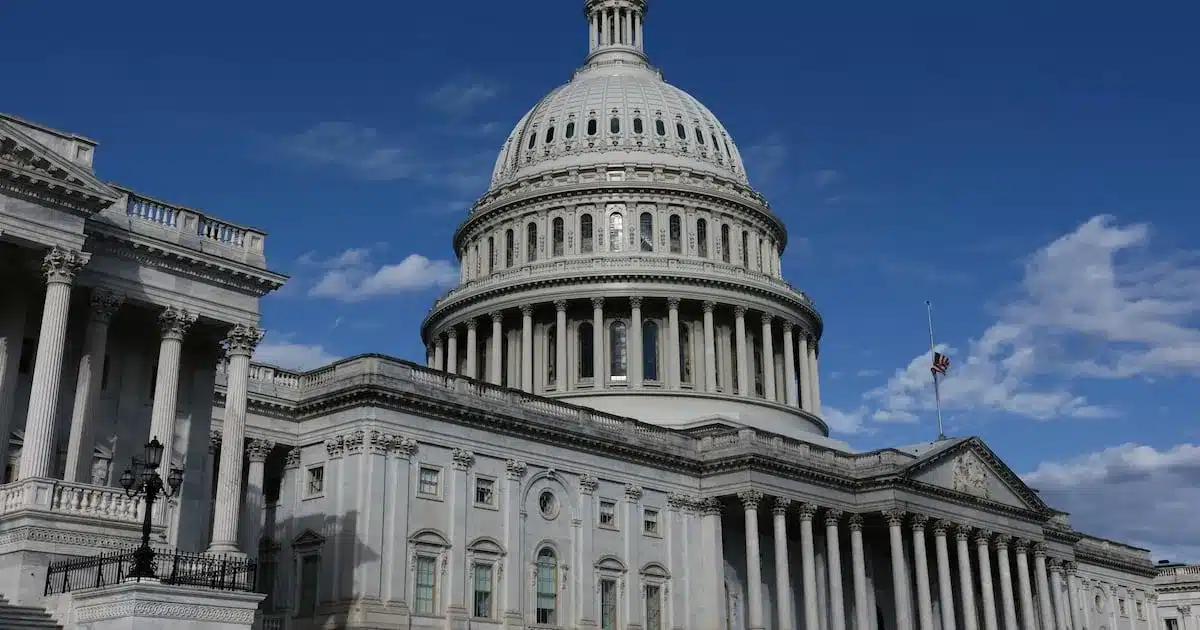
A report released by the U.S. House Judiciary Committee alleges that the South Korean government imposed discriminatory regulations on Coupang, a U.S.-based e-commerce company. The report further claims that South Korea demanded Coupang retrieve discarded laptops from the Huangpu River in Shanghai, an action described as excessive pressure.
Allegations of Discriminatory Treatment
The controversy surrounding the South Korean government’s regulatory actions against Coupang escalated following a data breach incident involving the company in November of the previous year. The U.S. House Judiciary Committee’s report, made public on July 1st, asserts that South Korea’s regulatory approach towards Coupang was selectively harsh and potentially violated the recently concluded South Korea-U.S. Free Trade Agreement (FTA).
According to the report, the South Korean government’s actions included over 40 investigations across 11 government agencies, numerous requests for documentation, excessive fines, and even threats of criminal charges and travel bans against the interim CEO, Harold Rogers, who is a U.S. citizen.
Coupang Data Breach and Investigation
The report details that following the data breach in November, which potentially exposed the information of 33 million customers, Coupang issued an apology and its then-CEO, Bom Suk Lee, resigned. However, the committee’s findings, based on evidence and testimony provided by Coupang, suggest that the actual data leak was limited in scope. The report states that the breach involved only one former employee, a Chinese national, who accessed the data of approximately 3,000 customers.
Despite this clarification, the South Korean government reportedly continued its extensive investigations and demands for information. The committee’s report highlights these actions as potentially retaliatory or disproportionate, especially considering the limited scale of the actual data breach.
Broader Implications and Trade Concerns
The allegations raise concerns about fair trade practices and the treatment of foreign companies operating within South Korea. The report suggests that the South Korean government’s actions may have created an uneven playing field, disadvantaging U.S. businesses compared to domestic competitors.
The U.S. House Judiciary Committee’s investigation aims to ensure that trade agreements are upheld and that American companies are not subjected to unfair or discriminatory regulatory practices in foreign markets. The findings could lead to further diplomatic discussions or trade reviews between the two nations.
Conclusion
The U.S. House Judiciary Committee’s report presents serious allegations regarding South Korea’s regulatory actions against Coupang. The claims of discriminatory treatment and excessive pressure, particularly in the context of the data breach, warrant careful consideration. This situation underscores the complexities of international trade regulations and the importance of ensuring fair and equitable treatment for all businesses operating across borders.
