

A groundbreaking artificial intelligence (AI) model has been developed that can accurately measure the amount of fat in a child’s liver to a degree comparable to MRI scans. This advancement comes at a critical time, as childhood obesity rates continue to climb, leading to a steady increase in pediatric fatty liver disease.
Rising Rates of Childhood Obesity and Fatty Liver Disease
Recent data highlights a significant surge in obesity among children and adolescents. According to the 2024 National Health and Nutrition Examination Survey, the prevalence of obesity in children aged 6-11 years increased by 56.3% over the past decade, while the rate for adolescents aged 12-18 years rose by 31.3%. This escalating trend in obesity is directly linked to a growing number of children developing non-alcoholic fatty liver disease (NAFLD), a condition characterized by the accumulation of excess fat in the liver.
Challenges in Diagnosing Pediatric Fatty Liver Disease
Currently, the most precise method for quantifying liver fat is Magnetic Resonance Imaging with Proton Density Fat Fraction (MRI-PDFF). However, this technique presents several challenges, particularly for young patients. The high cost of MRI scans, coupled with the lengthy examination time compared to ultrasound, makes it difficult for children to remain still for the duration required. In some cases, sedation may even be necessary, adding further complexity and risk. These limitations have historically restricted the widespread use of MRI-PDFF for routine pediatric fatty liver assessments, often necessitating repeated, less precise ultrasound examinations.
A Novel AI Approach Using Ultrasound Raw Data
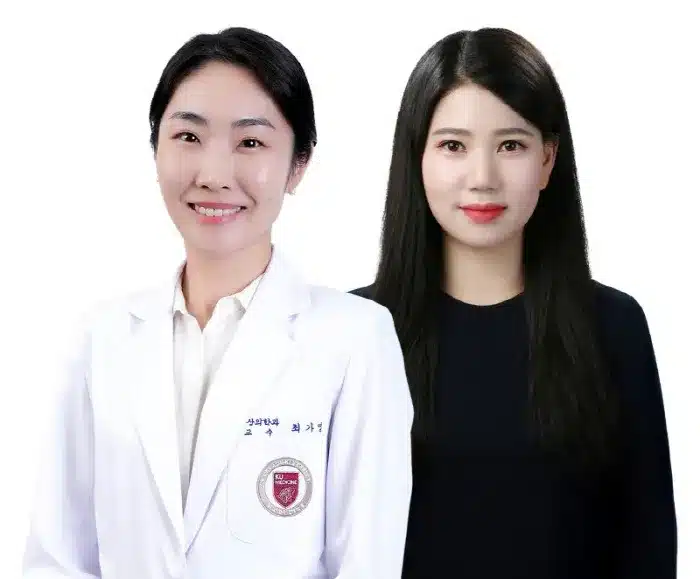
Recognizing these diagnostic hurdles, a research team led by Professor Choe Yeong Choi from the Department of Radiology at Korea University Ansan Hospital and Professor Ham Seong-won from the Medical Research Center has developed a more efficient and accurate diagnostic method. Their innovative approach focuses on analyzing the raw radiofrequency (RF) data from ultrasound examinations, rather than relying solely on the conventional B-mode ultrasound images.
Understanding Ultrasound Data: B-Mode vs. RF Data
Standard ultrasound imaging, known as B-mode, converts ultrasound signals into black-and-white images that are easily interpretable by medical professionals. Clinicians typically assess the degree of liver fat by observing the brightness and texture within these images. This method, however, is largely qualitative and subjective, meaning the results can vary depending on the skill and experience of the sonographer. Subtle or mild cases of fatty liver can be easily missed with this approach.
In contrast, RF data represents the original, unprocessed ultrasound signals before they are converted into visual images. This raw data contains a wealth of information, including the intensity and frequency shifts of the ultrasound waves as they reflect off different tissues within the body. By analyzing these subtle variations, researchers can gain a more detailed and quantitative understanding of tissue composition.
The AI Model’s Development and Validation
The research team utilized AI to analyze this rich RF data, enabling them to quantitatively assess even minute changes within the liver tissue that are difficult to discern on standard ultrasound images. To validate their AI model, they collected RF data and MRI-PDFF measurements from 40 pediatric patients suspected of having fatty liver disease.
Various AI models, built upon machine learning and deep learning algorithms, were developed and trained using this data. The diagnostic accuracy of each AI model was then rigorously compared against the gold standard, MRI-PDFF.
Exceptional Accuracy and Potential Clinical Impact
The study found that an AI model incorporating RF data, along with blood test results for liver function (specifically, alanine aminotransferase or ALT levels) and an index measuring ultrasound wave attenuation (UGAP), demonstrated the highest diagnostic accuracy. This advanced AI model predicted liver fat content with a discrepancy of only about 1.45% on average when compared to MRI-PDFF results, indicating a remarkably high level of precision.
Researchers attribute this high accuracy to the AI’s ability to analyze subtle signal information within the RF data that is typically lost or compressed during the conversion to standard ultrasound images. The team believes this AI model holds significant potential as a practical and effective alternative to MRI-PDFF for the initial screening and ongoing monitoring of pediatric fatty liver disease.
Expert Insights and Future Outlook
Professor Choe Yeong Choi emphasized the importance of accurate early diagnosis and long-term management for pediatric fatty liver disease. “Accurate early diagnosis, as well as long-term management during the growth process and repeated follow-up examinations, are crucial for treating pediatric fatty liver disease,” she stated. “However, quantitative assessment of liver fat in children has been challenging due to difficulties in obtaining cooperation during examinations and the burden associated with MRI scans.”
She further explained, “By integrating AI technology with ultrasound, a relatively simple examination that does not involve radiation exposure, we have confirmed the potential to more accurately quantify liver fat in pediatric patients.” This integration offers a promising solution to overcome the limitations of current diagnostic methods.
Recognition and Publication
The findings of this significant research have been published in the esteemed international journal ‘Scientific Reports’. Furthermore, the study received recognition for its excellence when it was selected for an oral presentation at the International Society of Pediatric Radiology (IPR 2026) conference, the world’s largest pediatric radiology event, held in Boston in early June.
This AI-driven approach represents a major step forward in the diagnosis and management of fatty liver disease in children, offering a more accessible, accurate, and less burdensome alternative for both patients and healthcare providers.
