

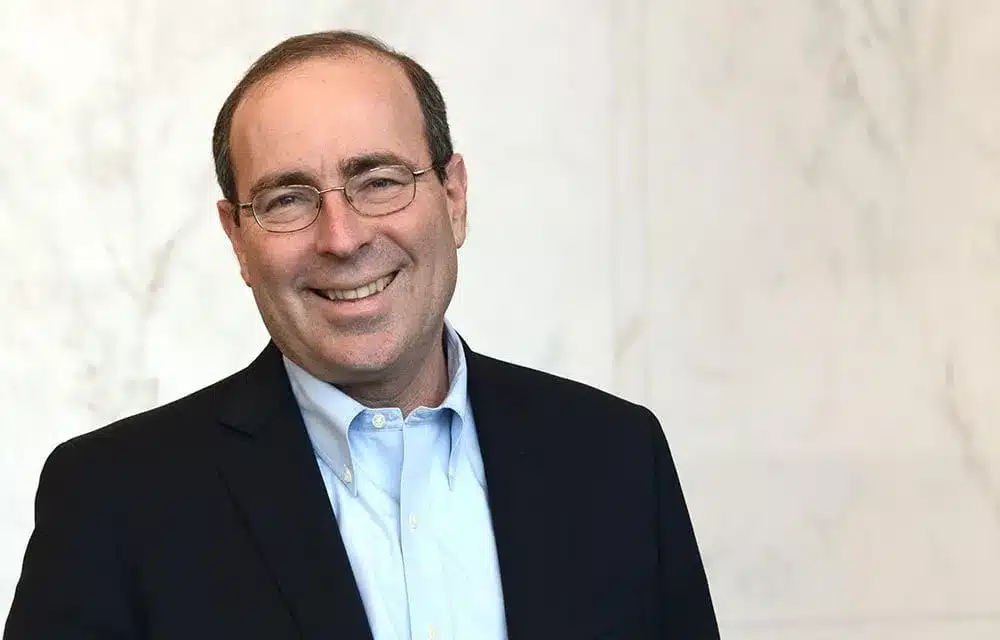
Thomas Barkin, President of the Federal Reserve Bank of Richmond, has expressed concerns that elevated inflation levels may prove more persistent than initially anticipated. He indicated that returning inflation to the Federal Reserve’s 2% target could be challenging without additional policy interventions.
Inflation Outlook and Corporate Pricing Strategies
In an interview during the ‘Idea Festival’ in Aspen, Colorado, Barkin highlighted the unusually high current inflation rate. He stated, “It’s difficult to be confident that inflation will return to 2% without additional factors influencing the baseline, such as interest rate policy, the labor market, or disinflationary pressures.”
Barkin also voiced apprehension regarding corporate pricing behaviors. He suggested that businesses, by factoring current inflation into their pricing decisions, are contributing to its stickiness. “This is a cause for concern and one reason why ‘soft landing’ is a reasonable expectation,” he remarked, implying that gradual deceleration is a more plausible outcome than a sharp downturn.
Companies are facing increased costs due to rising raw material prices. However, they are also carefully considering consumer reactions to price hikes, making it difficult to pass on all additional expenses. This delicate balance between cost pressures and consumer sensitivity is a key factor in the current inflationary environment.
Factors Influencing Inflation Dynamics
Barkin acknowledged that certain factors could help alleviate price pressures. He noted that tariffs and oil price shocks, while contributing to inflation, might eventually ease. However, he cautioned that these effects might not be sufficient to curb consumer spending, which remains robust in the U.S. economy.
In an economy driven by consumption, strong demand can present a significant hurdle in bringing inflation fully back to the Federal Reserve’s 2% objective. This persistent demand, coupled with other inflationary inputs, complicates the path to price stability.
The latest Personal Consumption Expenditures (PCE) price index, a key inflation gauge closely watched by the Fed, rose 4.1% year-over-year through May. This marks the highest increase since April 2023, partly influenced by rising oil and commodity prices stemming from geopolitical events. These price increases are adding further pressure to the overall inflation rate.
Future Policy Considerations
Barkin emphasized that the Federal Reserve will carefully monitor economic indicators, considering both factors that ease inflation and those that exacerbate it. “We will continue to observe economic data closely and make deliberate monetary policy decisions,” he stated. This approach reflects the complexity of the current economic landscape, where opposing forces are simultaneously at play.
He further elaborated on the mixed signals affecting inflation. While the recent agreement between the U.S. and Iran led to a drop in oil prices, which can help lower inflation, other factors like the expansion of artificial intelligence (AI) infrastructure are also contributing to price pressures. “We need to observe how the economy evolves over the coming months to determine the appropriate policy direction,” Barkin concluded, underscoring the need for a data-dependent strategy.
Conclusion
The remarks from the Richmond Fed President highlight the intricate challenges facing policymakers in their efforts to manage inflation. The interplay of robust consumer demand, corporate pricing strategies, and global economic factors suggests that the path to achieving the 2% inflation target may be complex and require careful, sustained attention from the Federal Reserve.
