

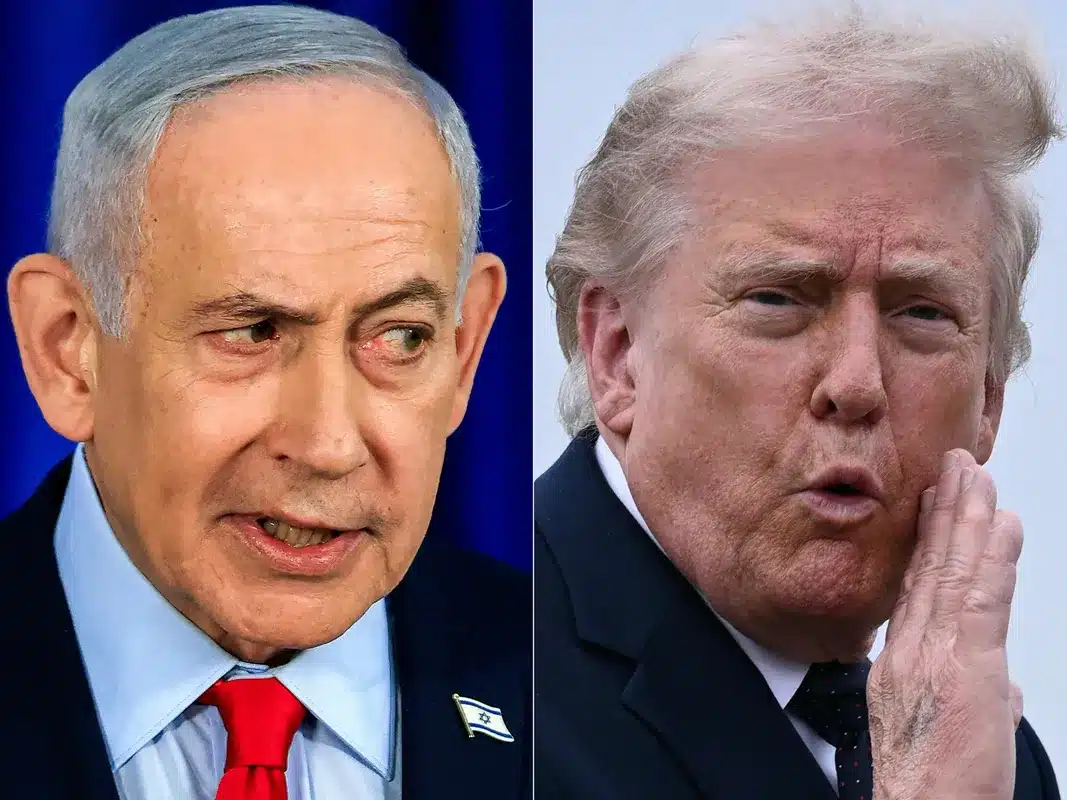
Tensions Escalate as Israel Rejects Southern Lebanon Withdrawal
Reports indicate a significant hardening of Israel’s stance regarding its military presence in southern Lebanon, with Defense Minister Yoav Gallant stating unequivocally that Israeli forces will not withdraw from the region. This declaration comes amidst ongoing clashes with Hezbollah and amid broader regional diplomatic efforts aimed at de-escalation.
Hardline Stance Amidst Broader Ceasefire Talks
The Israeli Defense Minister declared on June 15th that Israel would not be withdrawing from southern Lebanon, a territory currently experiencing exchanges of fire with the Iran-backed militant group Hezbollah. Gallant further asserted, “If Iran attacks Israel using Lebanese territory, we will strike Iran with full force.” This firm position is echoed by National Security Minister Itamar Ben-Gvir, a hardline figure, who stated, “The proposed agreement does not bind us.”
These statements arrive as a ceasefire agreement between Iran and the United States is reportedly nearing completion. The potential agreement, which aims to halt hostilities, has been met with internal dissent and external criticism.
US Frustration Over Pre-Ceasefire Strikes
Just hours before the anticipated ceasefire announcement, Israel launched an offensive on Beirut, the capital of Lebanon. This action drew sharp criticism from former US President Donald Trump. Trump took to social media to express his disapproval, calling the strike “something that should not have happened,” particularly on a day when a significant agreement with Iran was reportedly close. In an interview with the online publication Axios, Trump further lambasted Israeli Prime Minister Benjamin Netanyahu, stating, “His decision to attack Lebanon delayed the signing by several hours. He has no judgment.”
Netanyahu’s Objectives Unmet in Proposed Agreement
Prime Minister Netanyahu had initially outlined several key objectives for the conflict, including the cessation of Iran’s ballistic missile program, the collapse of Iran’s government, and the dismantling of Iranian proxy forces like Hezbollah, the Houthis, and Hamas. However, analysis suggests that Israel’s primary strategic demands have not been incorporated into the current proposed agreement.
The New York Times noted that Netanyahu faces a difficult position. His close relationship with the former US President has historically been a political asset, making public opposition to US policy challenging. Simultaneously, he is reportedly facing pressure from within his coalition government and the opposition to not fully concede to US demands.
