

Myeongdong Reclaims Its Retail Crown as Tourist Influx Drives Business Boom
Myeongdong, Seoul’s iconic shopping district, is experiencing a significant retail resurgence, drawing major domestic and international brands back to its bustling streets. The return of foreign tourists is fueling a rapid recovery in commercial occupancy rates, signaling a strong comeback for the area.
Global Fashion and Beauty Giants Re-establish Presence
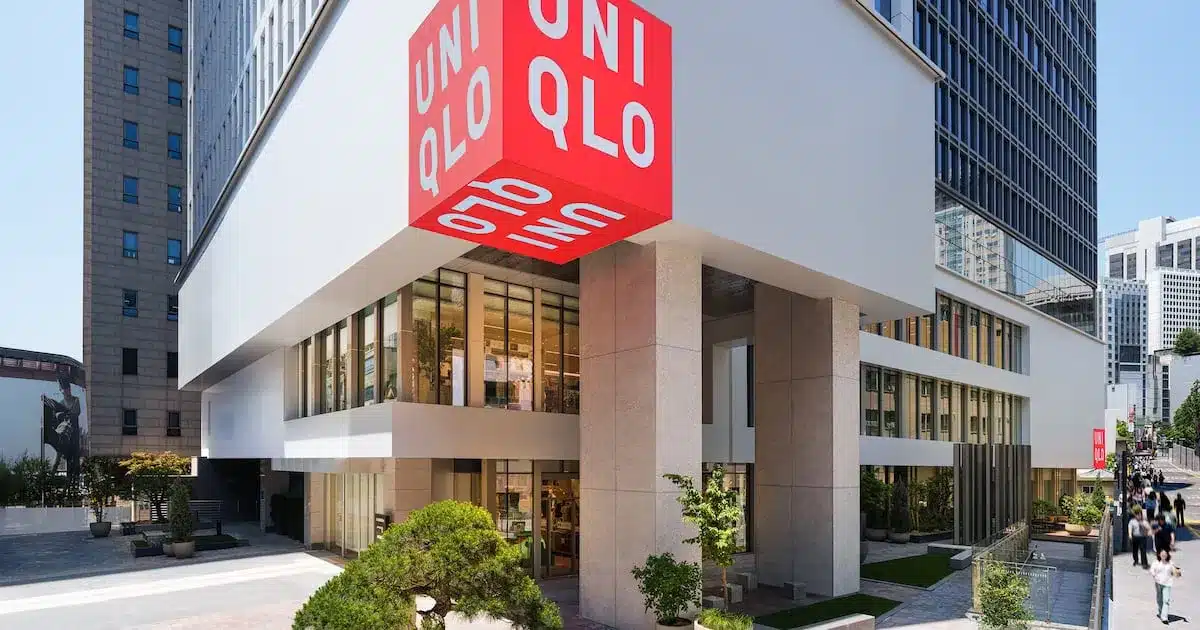
Uniqlo has made a notable return to Myeongdong, opening its largest domestic store in five years. The global apparel retailer’s comeback is seen as a symbolic moment in the district’s revitalization, especially after its previous Myeongdong branch closed in 2021.
Beyond Uniqlo, other prominent brands are also expanding their footprint. Musinsa, a leading domestic fashion platform, launched ‘Musinsa Store Myeongdong’ in January, consolidating over 110 brands, with more than 80% being Korean. This initiative allows international visitors to explore a wide range of K-fashion in one location. Sales data from Musinsa’s Myeongdong Standard store indicates that foreign customers accounted for 56% of sales in the first five months of the year, while Musinsa Store Myeongdong saw foreign sales represent 65% of its total.
Beauty brands are also capitalizing on Myeongdong’s appeal to global consumers. Laneige, under Amorepacific, opened its global flagship store, ‘Laneige Seoul,’ on May 5th. This space is designed to showcase the brand’s global beauty, technology, and design direction. CJ Olive Young similarly launched ‘Central Myeongdong Town’ in March, a large-scale store specifically catering to international tourists.
Luxury and K-Fashion Strengthened at Department Stores
Major department stores with headquarters in Myeongdong, such as Lotte and Shinsegae, are actively renovating their flagship locations to align with the district’s recovery. Lotte Department Store’s main branch introduced ‘Kinetic Ground’ on its ninth floor last July, a nearly 1,800-square-meter space dedicated to K-fashion. This area features 15 popular domestic fashion brands, including Mardi Mercredi, Matte Kim, TheOpen Product, and Nomadic New Year.
Shinsegae Department Store has focused on enhancing its luxury offerings and experiential content. Since the first quarter of last year through the first quarter of this year, the store has sequentially updated its spaces for major luxury, jewelry, and watch brands like Hermès, Louis Vuitton, Chanel, Cartier, Van Cleef & Arpels, Tiffany, and Rolex.
Additionally, the large outdoor LED screen ‘Shinsegae Square’ in front of the main branch showcases K-pop videos and seasonal media content, attracting international visitors.
Economic Indicators Show Strong Recovery
The renovations and strategic shifts are yielding tangible results. In the first quarter of this year, foreign sales at Lotte Department Store’s main branch and Shinsegae Department Store’s main branch increased by 103% and 141% respectively, compared to the same period last year.
While visitor destinations in Seoul are diversifying, Myeongdong maintains its status as a premier tourist attraction. A survey conducted by the Seoul Tourism Organization in March revealed that 73.4% of foreign visitors to Seoul visited Myeongdong, the highest proportion among major Seoul attractions.
Commercial real estate data also reflects this positive trend. According to global real estate services firm Cushman & Wakefield Korea, monthly sales in the Myeongdong commercial district in March increased by 33% year-on-year, outpacing other major Seoul areas like Hongdae (19%), Seongsu (11%), and Gangnam South (8%).
The vacancy rate in Myeongdong, which had once exceeded 50%, has significantly decreased. Data from the Korea Real Estate Board shows that the vacancy rate for mid-to-large-sized commercial properties in Myeongdong dropped from 50.1% in the fourth quarter of 2021 to 5.0% in the first quarter of this year—a reduction to approximately one-tenth in just over four years.
Industry observers note that Myeongdong’s inherent strengths, including its concentration of transportation, accommodation, duty-free shops, department stores, and street shops, continue to attract visitors focused on shopping. As foreign tourist numbers and spending grow, competition among global brands to establish flagship and experiential stores in Myeongdong is expected to intensify.
