

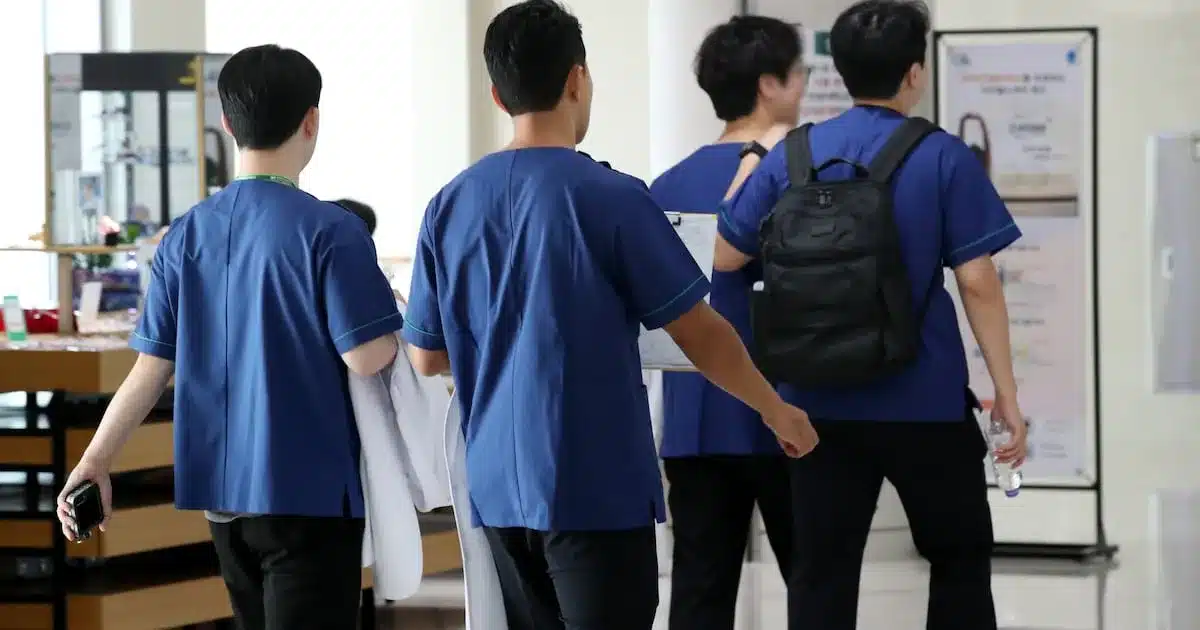
Doctors’ Lawsuit Over Strike Rejection Fails in Second Appeal
A group of doctors who resigned in protest of government medical policies has lost their second appeal in a lawsuit seeking damages. The doctors claimed they suffered financial losses due to a government order prohibiting the acceptance of resignations during their strike and sought compensation from the state and the hospital.
The Seoul Central District Court’s Civil Appeals Division 5-3 ruled against the doctors’ claim for approximately 43 million won in damages. This decision upholds the initial ruling, with the court stating that the facts and judgment of the first instance were deemed just.
Background of the Doctors’ Resignation and Lawsuit
In February 2024, the doctors submitted their resignations to protest the government’s plan to increase medical school admissions. In response, the government issued a directive to maintain medical services and prohibited the acceptance of resignations, a measure that was later rescinded after approximately four months.
The striking doctors argued that the ban on accepting resignations prevented them from finding employment at other hospitals during that period, leading to financial damages. They contended that the government and hospital’s actions constituted an illegal directive that infringed upon their freedom to choose their profession.
Court’s Reasoning for Dismissing the Claim
However, the appellate court affirmed the initial ruling’s finding that the government’s actions at the time were an unavoidable response to prevent a medical vacuum. The court reasoned that the doctors’ mass resignations posed a significant threat to public health, and the government’s directive to prevent this was therefore not considered unjust.
The court also noted that it was difficult to identify any other appropriate measures that could have effectively controlled the medical vacuum and public health risks, other than preventing the doctors’ mass resignations and patient care disruptions.
Specifically, the initial ruling acknowledged that while the directive to not accept resignations did restrict the doctors’ professional choices, the public interest in ensuring medical care for emergency and critical patients was deemed more significant. Consequently, the court did not recognize the state’s liability for damages or the hospital’s obligation to pay severance pay.
