

Brutal Assault on Infant Leads to Decade-Long Prison Term
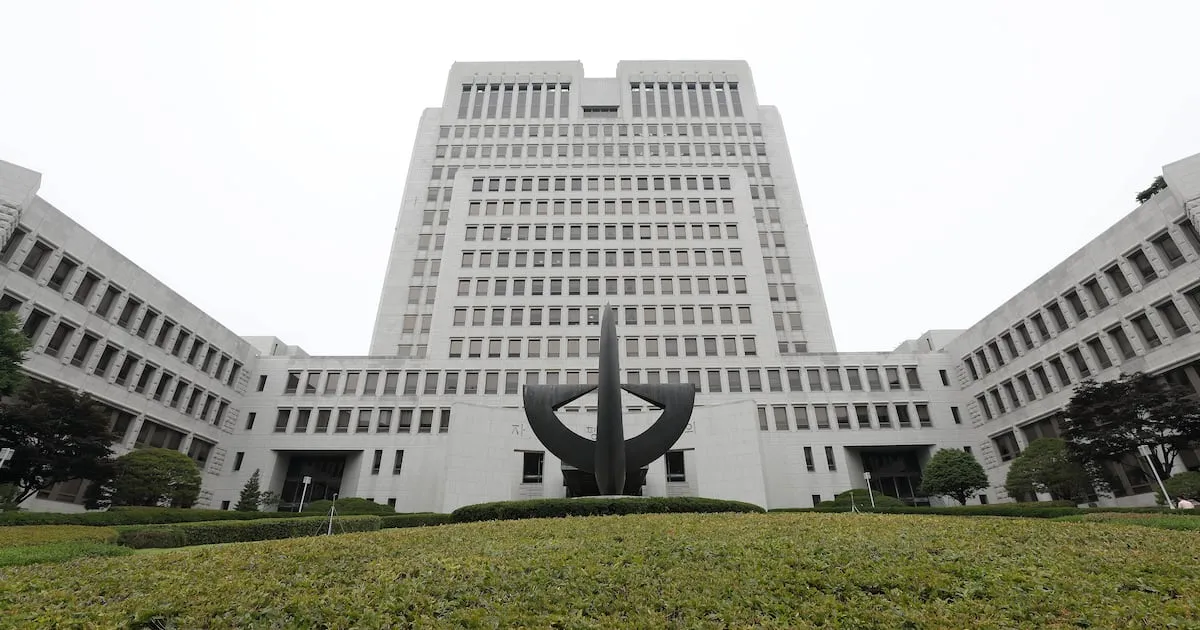
A 30-year-old man identified only as A has been sentenced to 10 years imprisonment for violently shaking his 29-day-old son, leaving the infant with life-threatening injuries. The ruling was confirmed by the Second Division of the Seoul High Court on December 24th, upholding the initial verdict under the Special Act on Punishment of Child Abuse Crimes.
Horrific Details Emerge
Court records indicate the assault occurred on January 30th when the newborn began crying at approximately 6:00 AM. Witness testimony describes the father becoming enraged, shouting ‘Shut up! You’re crying because you’re cold!’ before violently shaking the infant. Medical examinations revealed the child suffered external cranial hemorrhage, skull fractures, and subsequent brain damage from the assault.
Evidence showed the abuse continued for 8-9 days after the initial incident, with the father reportedly grabbing the child’s neck and striking him when he continued crying. Investigators confirmed the man also threatened the child’s aunt by marriage, demanding payment for child support and attempting to destroy home security camera footage.
Judicial Rejection of Mitigating Factors
In the initial trial, prosecutors highlighted the perpetrator’s intellectual disability but emphasized his awareness of the child’s vulnerability. The court stated: ‘While cognitive impairments exist, the defendant demonstrated sufficient emotional control to recognize the wrongfulness of repeatedly assaulting a defenseless infant.’
The appellate court firmly upheld the 10-year sentence, ruling that ‘the lower court’s decision appropriately reflects the gravity of crimes against children who cannot protect themselves.’ Judges dismissed arguments for leniency, noting the systematic nature of the abuse and attempts to conceal evidence.
Both courts ordered the perpetrator to complete a 40-hour child abuse prevention program in addition to his prison term. Child welfare authorities have placed the infant under permanent protective supervision.
