

South Korea is actively engaging in confidential discussions with the United States to ensure that any potential tariffs related to forced labor practices do not exceed the agreed-upon 15% threshold. The announcement comes in response to the U.S. administration’s recent imposition of tariffs on goods from 60 countries, including South Korea, under Section 301 of the U.S. Trade Act, targeting products produced with forced labor.
Understanding the U.S. Forced Labor Tariffs
The U.S. Office of the Trade Representative (USTR) announced tariffs on imports from 60 nations that have not implemented laws prohibiting the import of goods manufactured through forced labor. Under these measures, South Korea is effectively subject to a 12.5% tariff. This action is part of a broader strategy by the U.S. to combat forced labor globally.
These new tariffs are being implemented as a replacement for previous measures. In February, the U.S. Court of Appeals for the Federal Circuit ruled against a “super 301” tariff imposed by President Donald Trump. Subsequently, the USTR introduced a 10% global tariff under Section 122 of the Trade Act, which was set to expire on April 24. The current Section 301 investigation appears to be a successor to these previous trade actions.
Under the current Section 301 measures, South Korea, along with the European Union, Taiwan, Japan, and Switzerland, faces a 12.5% tariff rate. However, the situation remains dynamic, particularly concerning another ongoing U.S. investigation into “subsidies for production” (i.e., the production of goods using subsidies).
South Korea’s Diplomatic Strategy
A key concern for South Korea is the potential for combined tariffs. If the ongoing investigation into production subsidies yields unfavorable results, the total tariff rate could potentially exceed the 15% cap that has been mutually agreed upon by both nations. The South Korean government has stated its commitment to working closely with the U.S. to prevent this outcome.
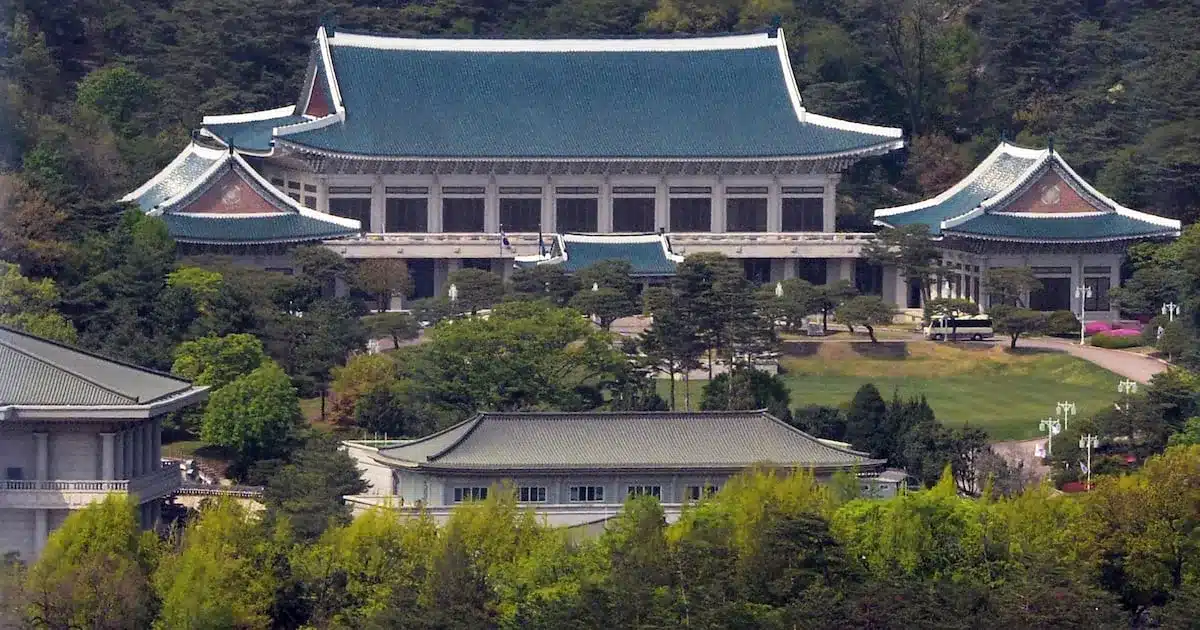
The Presidential Office of South Korea (Cheong Wa Dae) confirmed on April 24 that discussions are underway. “We are in close consultations with the U.S. to ensure that the final outcome, including tariffs related to the ongoing Section 301 investigation into supply chain issues, adheres to the 15% agreed upon by both countries,” a spokesperson stated.
Both South Korea and the United States share the understanding that tariff agreements must be respected. This principle underpins the ongoing dialogue aimed at resolving potential trade disputes amicably.
Potential for Combined Tariffs and Future Outlook
The USTR’s announcement specifically targets goods produced by forced labor. However, the separate investigation into “structural subsidies for production” could lead to additional trade measures. The concern is that the cumulative effect of these two sets of tariffs could push the overall tariff rate beyond the 15% limit that South Korea and the U.S. have committed to upholding.
The South Korean government’s strategy is to proactively engage in negotiations to manage the impact of these trade actions. They aim to ensure that the agreed-upon 15% tariff ceiling is not surpassed, thereby mitigating potential economic repercussions for South Korean industries.
The USTR’s investigation into structural subsidies for production is a critical factor. The outcome of this investigation will significantly influence whether the U.S. adheres to the 15% tariff limit agreed upon with the South Korean government. South Korea is committed to intensive negotiations to maintain this agreed-upon rate.
Background on Section 301 and Trade Actions
Section 301 of the U.S. Trade Act of 1974 grants the U.S. President broad authority to take action against foreign countries that engage in unfair trade practices or policies that burden U.S. commerce. Historically, Section 301 investigations have led to the imposition of retaliatory tariffs.
The recent actions highlight the U.S. administration’s focus on using trade policy to address a range of international concerns, from labor practices to industrial subsidies. The complexity of these investigations and their potential impact on global supply chains underscore the importance of ongoing diplomatic engagement between trading partners.
South Korea’s proactive approach reflects a broader trend of nations seeking to navigate an increasingly intricate global trade landscape. By emphasizing dialogue and adherence to agreed-upon limits, Seoul aims to protect its economic interests while cooperating with international efforts to promote fair trade practices.
Conclusion
The ongoing trade discussions between South Korea and the United States regarding forced labor tariffs are crucial for maintaining stable economic relations. South Korea’s objective is to ensure that the agreed-upon 15% tariff cap is respected, even as U.S. investigations into related trade practices continue. The outcome will depend on continued close cooperation and adherence to mutually agreed-upon trade principles.
