

President Expresses Willingness to Engage with Ayatollah Khamenei
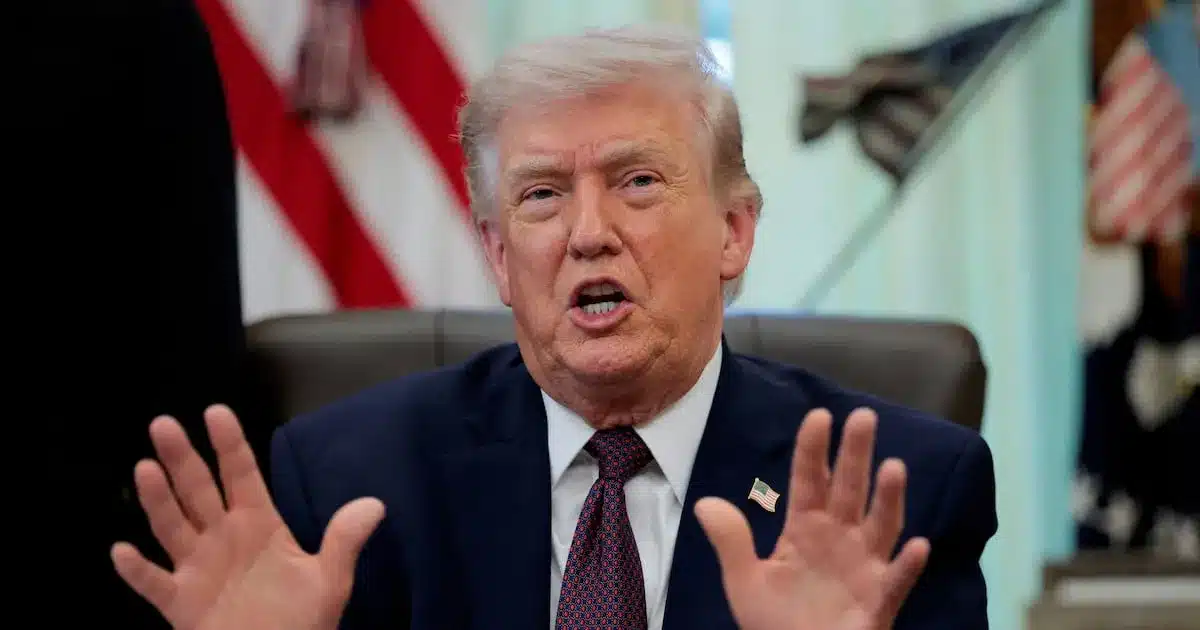
U.S. President Donald Trump has indicated a potential openness to meeting with Iran’s Supreme Leader, Ayatollah Ali Khamenei. Trump stated that he would like to meet, expressing a belief that such a meeting might occur at some point in the future.
In an interview released on June 3rd, President Trump responded to a question about his willingness to meet Khamenei by saying, “That’s a good question. I’ll think about it.” He further elaborated, “I’m willing to meet with anybody. I think we’ll probably end up meeting at some point.” These remarks, while seemingly spontaneous, can be interpreted as a signal of his administration’s potential willingness to engage in negotiations with Iran.
Stance on Nuclear Deal and Regional Dynamics
Trump reiterated his administration’s position on the nuclear deal, asserting, “They have already agreed not to have nuclear weapons.” The U.S. has been advocating for Iran’s abandonment of nuclear proliferation and the dismantling of its highly enriched uranium capabilities.
The President also acknowledged a recent report detailing his strong reaction to Israeli Prime Minister Benjamin Netanyahu’s comments regarding a potential ceasefire. Trump confirmed that he was somewhat displeased with Netanyahu’s continued engagement in military actions in Lebanon, despite acknowledging a generally cooperative relationship. “I have a very good relationship with him. I like Bibi,” Trump added.
Preemptive Actions and Support for Victims
Addressing claims that his administration initiated military actions against Iran, Trump stated, “They are the ones who attacked.” He argued that without preemptive action, Iran would have acquired nuclear weapons, potentially leading to Israel’s destruction.
Furthermore, Trump reaffirmed his commitment to supporting victims of conflict, referencing the approximately $2 billion in aid for those who have lost their lives due to what he described as “senseless events.” He emphasized that these individuals should receive compensation for the suffering caused by what he termed a “failed administration,” referring to the previous U.S. government.
