

South Korea’s special investigation team handling the December 3 martial law incident has applied a five-year statute of limitations in a high-profile case involving the leak of intelligence agent names.
Indictment Against Key Figures
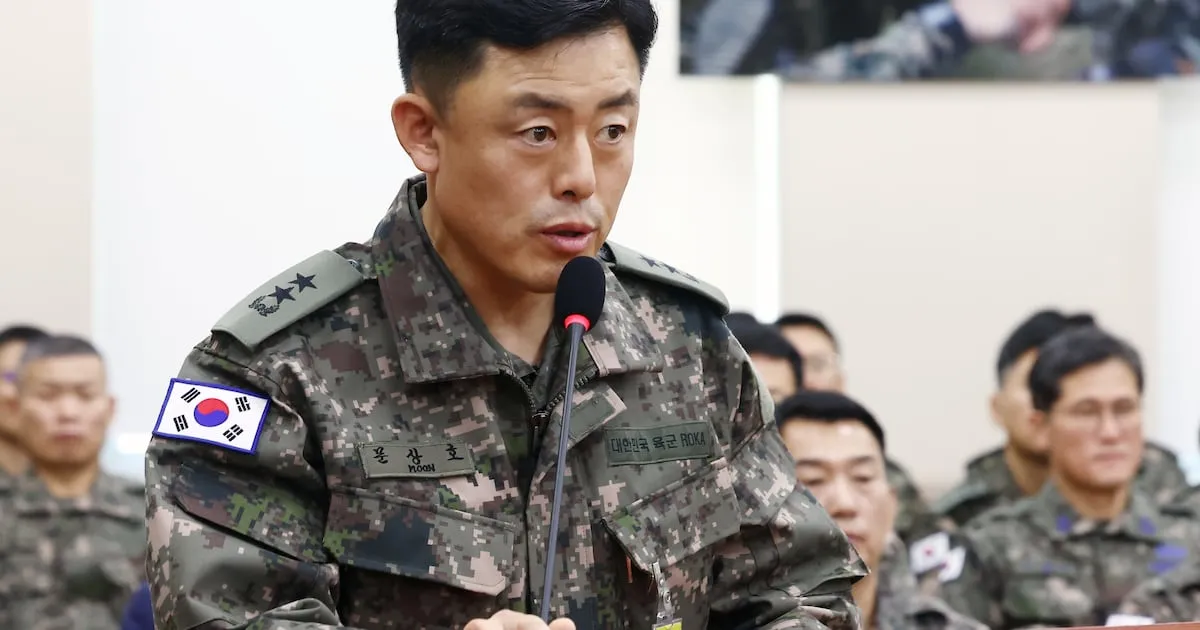
Moon Sang-ho, former head of the military intelligence bureau, faces charges for delivering a National Intelligence Service (NIS) agent roster to Roh Sa-won, NIS director at the time, during the emergency decree period. Prosecutors seek a five-year prison term for Moon in connection with the full scope of the intelligence operations.
The same five-year limit applies to related cases, including Kim Bong-gyu, former chief of the Seoul Central District Prosecutors’ Office, and Jeong Seong-wook, ex-chief of the 100th Brigade’s Second Operations Team. The re-investigation unit notified prosecutors of these targeted sentences.
Document Review and Joint Briefing
On May 15, investigators at the Seoul Central District Prosecutors’ 26th Division, led by Deputy Chief Prosecutor Lee Hyun-kyung, examined comprehensive documents tied to the case. They briefed a joint task force from personal data protection offices on the findings.
The leaked roster implicates around 40 individuals, including Kim Young-hyun, former senior official at the Ministry of National Defense, highlighting the extensive reach of the breach.
Context of Non-Prosecution and Ongoing Activity
Prosecutors note the leak gained traction after the initial non-prosecution decision, amid discussions at the presidential election committee and input from the vice presidential office. This has fueled activity within a secondary prosecution framework.
No high-ranking officials from the document-linked agency face charges, a decision reinforced by the team’s assessment. Experts warn that many affected parties are active in business, and external exposure could spark widespread anxiety among original list holders.
Team’s Rationale and Quotes
“Even aware that victims endure hardship from personal data exposure and that name leaks yield significant fallout, statutory constraints forced us to withhold details,” the special team stated.
They added, “This approach did not shield wrongdoers but leveraged legal time limits to preserve institutional stability, bridging divides between ruling and opposition forces.”
Judges cited severe court penalties, attorney general-attended prosecution reviews, and unresolved victim concerns as key factors. The team also imposed a five-year limit on the Kim prosecutor’s case for similar reasons. In a related appeal, the sentence for the document breach was reduced by two years.
