

North Korea’s military involvement in the Russia-Ukraine war has resulted in a significant number of casualties, with estimates suggesting over 2,200 soldiers have died. A substantial portion of these deaths, potentially exceeding half, are attributed to suicide, with drone attacks also cited as a cause. This involvement began with a pact between North Korea and Russia, formalized before the full-scale invasion of Ukraine, leading to a military alliance and subsequent economic support for Pyongyang from Moscow.
Origins of North Korea’s Military Deployment
The deployment of North Korean troops to the conflict zone appears to have been initiated through discussions between high-ranking officials from both nations. According to a North Korean source cited in a Japanese newspaper report, a Russian military delegation met with Kim Jong-un, Chairman of the State Affairs Commission, in Pyongyang in July 2023. During this meeting, Russia reportedly requested troop deployment, marking the beginning of negotiations for North Korea’s participation.
This agreement predates the signing of the “Treaty on Comprehensive Strategic Partnership” between Russia and North Korea in June 2024. The treaty solidified a broad strategic and defensive alliance. The troop deployment negotiations, therefore, commenced approximately a year before this formal treaty, indicating a coordinated effort to support Russia’s military objectives in Ukraine.
Casualties and Memorialization
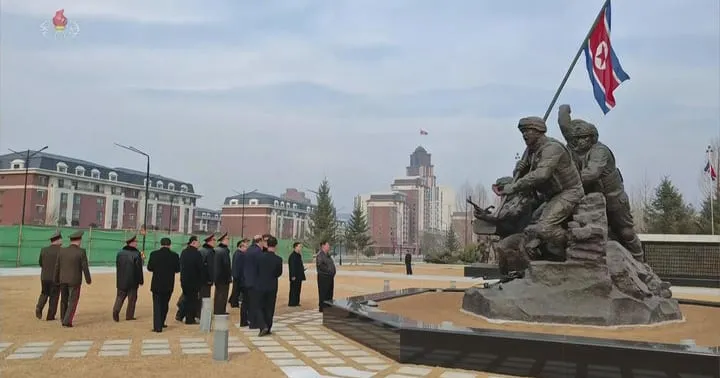
The conflict has exacted a heavy toll on the deployed North Korean soldiers. The memorial hall in Pyongyang, established in April 2024 to commemorate overseas military activities, lists the total number of deceased North Korean soldiers involved in the deployment at 2,288. This figure aligns with earlier estimates from South Korean intelligence, which had projected around 2,000 North Korean military deaths in September of the previous year, though specific numbers were not then available.
Within the memorial hall, the remains of 300 soldiers designated as “heroes” are interred in a separate cemetery. The urns containing the ashes of the remaining fallen soldiers are displayed on the second and third floors of the memorial. These displays include the names, birthdates, and causes of death for each soldier. The majority of those listed appear to be young men, primarily in their late teens and early twenties, highlighting the youth of the deployed forces.
Factors Contributing to High Mortality
The high casualty rate among North Korean troops is a serious concern. The source indicated that more than half of the fatalities are believed to be suicides. This suggests immense psychological pressure or despair among the soldiers. Additionally, casualties resulting from drone attacks have also been significant, pointing to the direct dangers faced on the battlefield.
Documents displayed at the memorial also reportedly include pledges from soldiers vowing not to become prisoners of war in Ukraine. This suggests a strong ideological indoctrination and a fear of capture, potentially contributing to the high suicide rate among those facing dire circumstances or the prospect of surrender.
Scale of Deployment and Ongoing Presence
North Korea began sending troops to the Russia-Ukraine war theater around October 2024. The total number of North Korean personnel deployed is estimated to be over 20,000. As of the current reporting, approximately 10,000 soldiers are believed to remain in Russia, indicating a sustained military presence supporting Moscow’s efforts.
International Relations and Support
The military cooperation between North Korea and Russia, particularly in the context of the Ukraine war, has significant geopolitical implications. The economic aid North Korea receives from Russia in return for its military support is crucial for the isolated nation’s economy. The “Treaty on Comprehensive Strategic Partnership” further solidifies this alliance, potentially reshaping regional security dynamics.
The inauguration ceremony for the memorial hall in April 2024 was attended by notable figures, including Kim Jong-un, Vyacheslav Volodin, the Speaker of the Russian State Duma, and Andrey Belousov, the Russian Minister of Defense. This high-level attendance underscores the importance both nations place on their burgeoning military and political relationship.
