

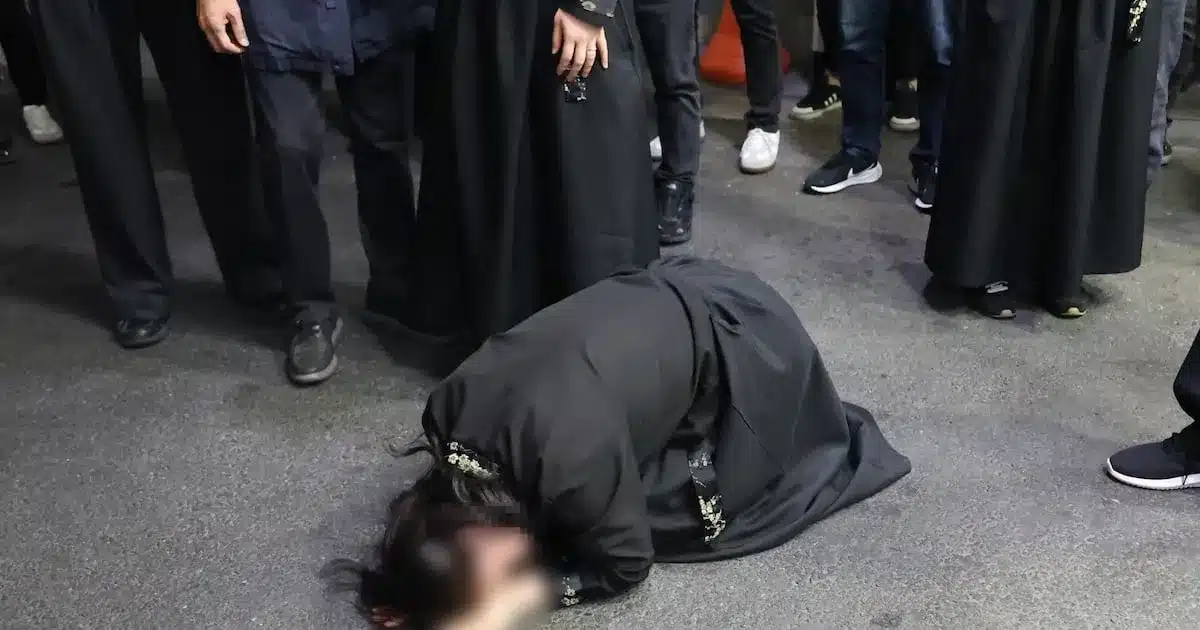
In a somber procession through Daejeon on March 30, family members and colleagues bid farewell to Oh Sang-yeol, 64, the longest-serving victim of the tragic safety equipment company disaster that claimed 14 lives.
The Deadly Workplace Incident
The accident occurred on March 20 at a safety gear manufacturing facility in Daeduk-gu’s Munpyeong-dong area. Workers suffocated during operations, resulting in 14 direct deaths—including two from a subcontracting firm—and 60 injuries. Authorities have detained eight individuals, including union representatives, for investigation into potential negligence.
Daejeon Fire Department officials confirm ongoing probes into 48 people, including foremen and executives, as causes point to ignored safety protocols and foreman oversight failures.
A Lifetime of Dedication
Oh joined the company in 1983 as its first direct hire and remained loyal for 43 years, earning praise for his steadfast performance. He handled core operations like mold pressing and consistently exceeded expectations.
His routine involved leaving home at 6:30 a.m. and returning after 10 p.m., yet he motivated colleagues by emphasizing greater effort. In December 2022, the firm honored his 40 years of service with a plaque; Oh responded gratefully, vowing continued diligence despite health challenges.
Five years prior, a full health check revealed issues, but he persisted. He once remarked to his wife that the worst breadwinner feels guilt over providing only adequately for his family, viewing himself as a ‘beatleist’ who fell short despite good intentions.
Emotional Farewell Amid Grief
During the compact joint funeral for all 14 victims, Oh’s burial drew raw emotion. His wife pleaded desperately, “Save him, honey—don’t go!” and “Please don’t die,” sobbing uncontrollably. Relatives echoed cries of “Dad, Dad,” while colleagues wiped away tears.
Other victims’ kin expressed outrage, urging thorough accountability for foremen and executives who compromised safety.
Union Demands Justice
Union leader Song Yeong-rok told investigators that foremen fostered a culture of silence on hazards, turning workers into unwitting accomplices. “Repeated incidents scarred survivors deeply, yet the company prioritized output over lives,” he stated.
Song added that internal foreman assessments blamed subordinates unfairly and called for honest treatment of original employees. “Protecting workers demands genuine care for their fate, not exploitation,” he emphasized. “True progress comes from valuing lives over fleeting gains.”
