

The South Korean government is implementing comprehensive safety measures across various sectors to ensure a secure and smooth Chuseok holiday period. From September 24th to 27th, a 24-hour emergency management system will be activated, focusing on traffic, fire prevention, public safety, and healthcare. A key initiative involves utilizing artificial intelligence (AI) to monitor 50 high-risk road sections prone to accidents.
Enhanced Safety Protocols for Chuseok Holiday
The Ministry of the Interior and Safety announced the “Chuseok Holiday Safety Management Plan,” developed in conjunction with local governments. This year’s holiday, which is four days long, is anticipated to see a surge in travel as many people undertake return trips to their hometowns and travel domestically. Recognizing the potential for increased congestion and related risks, the government has prioritized strengthening traffic safety management.
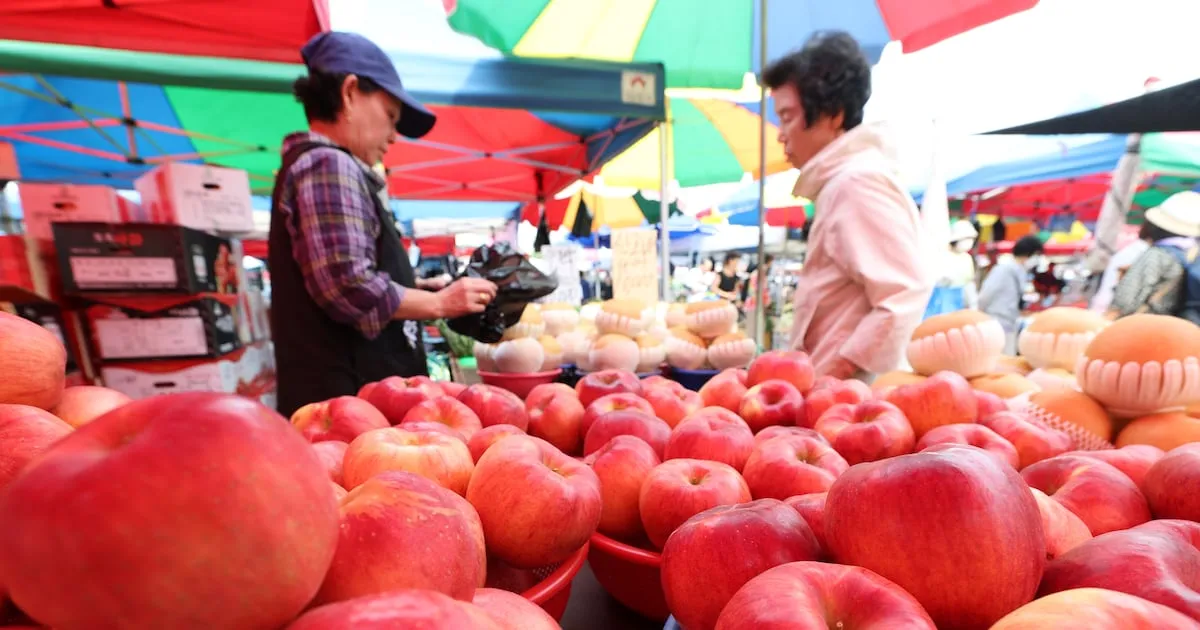
During the holiday, the Central Disaster and Safety Countermeasures Headquarters will operate continuously, maintaining a 24-hour situational management system. Preparations also include intensified inspections of popular tourist destinations and traditional markets, which are expected to draw larger crowds before and during the holiday.
AI-Driven Traffic Safety Initiatives
In the transportation sector, a joint special traffic response team, led by the Ministry of Land, Infrastructure and Transport, will be operational for five days, starting the day before the holiday. This team will leverage AI and big data to identify 50 road segments identified as having a high incidence of traffic accidents. Information and warnings will be provided to drivers through navigation services like TMAP and electronic road signs to enhance awareness and prevent incidents.
To accommodate the expected increase in air travel, the number of aircraft landing and takeoff slots has been increased from 126 to 135 per hour. Additionally, to prepare for potential weather disruptions such as strong winds, 395 aircraft have been secured for emergency operations.
Fire Prevention and Public Security Measures
Fire safety will be a significant focus, with the National Fire Agency, the Ministry of SMEs and Startups, and the Korea Forest Service coordinating enhanced safety management protocols. A rapid response system will be in place, comprising 261 wildfire suppression helicopters, 108 vehicles, and a reserve force of 755 personnel ready for immediate deployment.
The Korean National Police Agency will implement measures to curb crimes such as robbery and theft during the holiday period. Patrols will be intensified in areas with a high concentration of single-person households to prevent potential incidents. Furthermore, checks will be conducted on individuals identified as high-risk for domestic violence and child abuse, ensuring proactive intervention where necessary.
Healthcare and Emergency Medical Services
The Ministry of Health and Welfare is ensuring that emergency medical services remain accessible throughout the holiday. A total of 416 emergency medical institutions and 113 emergency medical facilities will maintain 24-hour treatment systems. Designated hospitals and pharmacies that will remain open during the holiday period will be clearly communicated to the public.
The Korea Disease Control and Prevention Agency (KDCA) will operate a 24-hour reporting system for suspected infectious disease cases. This system is crucial for monitoring and managing potential outbreaks during a time when people are traveling and gathering.
Government Commitment to Holiday Safety
Minister of the Interior and Safety, Yoon Hee-joong, emphasized the government’s commitment to public safety during the festive period. “We will maintain close cooperation with relevant agencies throughout the Chuseok holiday period and uphold a strict situational management system,” he stated. This coordinated effort aims to provide a safe and enjoyable holiday experience for all citizens, mitigating risks associated with increased travel and social gatherings.
The comprehensive plan reflects a proactive approach to managing potential risks during a period of heightened activity. By integrating advanced technologies like AI with traditional safety protocols, the government seeks to minimize accidents, prevent crime, and ensure that essential services are readily available, allowing the public to celebrate the holiday with peace of mind.
