

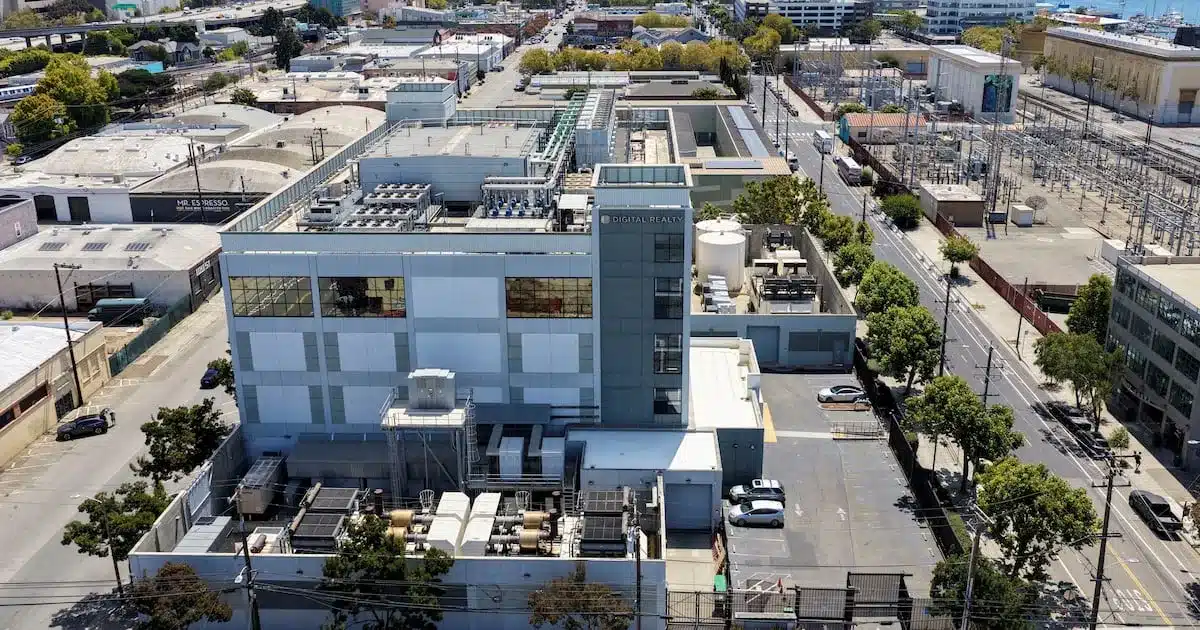
The rapid expansion of artificial intelligence (AI) is driving a surge in data center construction across the United States, creating a significant boon for traditional manufacturing sectors. Companies producing essential components like generators, steel, and electrical equipment are experiencing increased demand as the infrastructure required for these massive digital hubs proliferates.
Surging Demand for Data Center Infrastructure
Data centers, the physical backbone of the AI revolution, require substantial investments in power, cooling, and structural components. This has translated into a significant uplift for various manufacturing industries. According to Reuters, the market for electrical equipment and services related to U.S. data centers is projected to double between 2025 and 2030. Market research firm Wood Mackenzie forecasts this sector to grow from $33 billion in 2025 to $66 billion by 2030.
This escalating demand is not confined to a single niche. It encompasses a wide array of products, including generators, transformers, wiring, switchgear, cement, and prefabricated wall systems. The need for robust and reliable infrastructure to support the immense processing power and data storage of AI is creating a ripple effect throughout the manufacturing supply chain.
Manufacturing Sector Benefits and Job Growth
The construction boom for data centers is directly contributing to job growth within the U.S. manufacturing sector. Data from the U.S. Department of Labor indicates a notable increase in manufacturing employment. In July, the sector added 5,000 jobs, a stark contrast to the 113,000 jobs lost during the same period last year. This suggests a positive shift in manufacturing employment trends, partly attributable to the data center build-out.
Generac Expands Production to Meet Demand
Generac, a prominent manufacturer of home standby generators, is significantly investing to meet the heightened demand from the data center industry. The company plans to invest $250 million by the end of next year to expand its production lines. This expansion is specifically aimed at catering to the need for high-performance generators essential for data center operations. Generac currently holds $1.6 billion in orders related to data centers and anticipates hiring approximately 1,000 new employees, representing about 10% of its total workforce.
Timken Secures New Business from Data Centers
Steel bearing manufacturer Timken is another beneficiary of the data center construction surge. The company has seen a rise in orders for components used in data center construction and infrastructure. This new demand stream complements its existing key clients in the aerospace and defense sectors, diversifying its customer base and securing new avenues for growth.
Broader Economic Context and Cautions
While the data center boom is providing a welcome boost to specific manufacturing segments, analysts caution against interpreting this as a universal recovery for the entire U.S. manufacturing industry. The Institute for Supply Management (ISM) reports that overall manufacturing conditions remain sluggish. Factors such as high inflation and a cooling housing market have dampened consumer demand, impacting broader manufacturing output.
Furthermore, the growth is not uniform across all business divisions within companies. Generac, for instance, is experiencing robust demand for its data center-specific generators, but sales of its traditional residential generators are reportedly stagnant. This highlights a divergence in market performance within the same industry.
Navigating Future Uncertainties
Industry experts also express caution regarding the long-term sustainability of the current demand levels. The substantial capital investments required for expanding production capacity carry inherent risks. If the pace of data center construction slows down, manufacturers could face overcapacity issues.
Siemens Diversifies Risk with Long-Term Contracts
To mitigate these risks, companies like Siemens are employing strategic approaches. While investing in new manufacturing facilities, Siemens is also securing long-term contracts with its clients. These agreements often include penalty clauses, requiring customers to pay substantial penalties, potentially running into millions of dollars, if they fail to meet their contracted order volumes. This strategy helps distribute the investment risk.
Southeastern Hose Maintains Traditional Customer Base
Similarly, Southeastern Hose, a manufacturer of industrial hoses, has seen its data center-related revenue triple, leading to the hiring of 60 new employees. However, the company is actively working to maintain its relationships with its traditional customer base, including those in the steel industry. This proactive approach ensures that the company retains its established client portfolio, built over 60 years, as a safeguard against potential fluctuations in data center demand.
Conclusion
The burgeoning AI industry has undeniably created a significant economic tailwind for U.S. manufacturers involved in data center infrastructure. From generators to steel components, demand is up, leading to increased production and job creation in specific sectors. However, the broader manufacturing landscape remains mixed, and companies are adopting strategic measures to navigate the uncertainties of future demand, ensuring resilience by balancing new opportunities with established customer relationships.
