

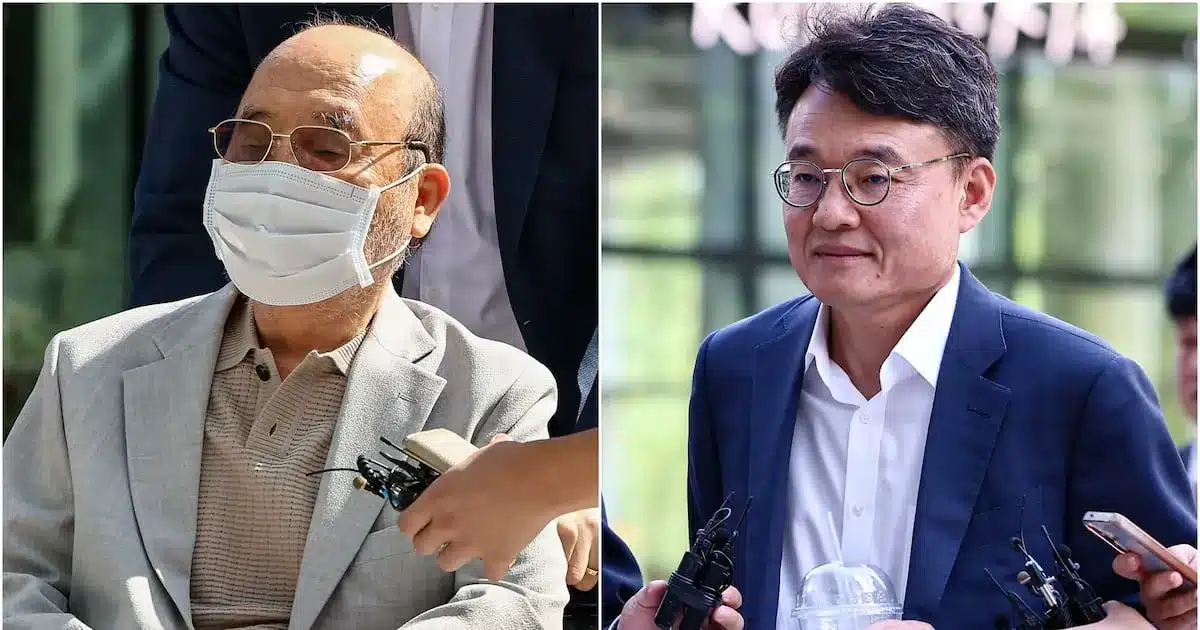
A prison sentence for Seohee Construction Chairman Lee Bong-wan has been finalized after he failed to appeal his conviction for offering expensive gifts to Kim Keon-hee, the wife of former South Korean President Yoon Suk-yeol, and soliciting personnel appointments. The deadline for appeals passed on March 3rd without any action from Lee’s side or the special prosecutor’s team investigating Kim Keon-hee.
Background of the Case
The case stems from allegations that in 2022, Lee Bong-wan sought the appointment of Park Sung-geun, then-Secretary to the Prime Minister, as a presidential secretary. To facilitate this, Lee allegedly presented Kim Keon-hee with luxury items, including a Van Cleef & Arpels necklace, a Tiffany & Co. brooch, and Graff earrings, valued at approximately 103.8 million won (about $78,000 USD at the time).
The Seoul Central District Court’s Criminal Division 21 initially handed down a one-year prison sentence, suspended for two years, to Lee Bong-wan on February 26th. He was convicted on charges of illegal receiving of gifts and violating the prohibition against improper solicitation and bribery laws.
Court’s Reasoning
The court stated that Lee Bong-wan’s intent to solicit favors evolved from an implicit understanding to explicit and detailed requests over three separate instances of gift-giving. This progression underscored the seriousness of his actions in seeking undue influence.
Other Individuals Involved and Unappealed Sentences
Several other individuals involved in similar alleged offenses also did not appeal their sentences, leading to the finalization of their judgments.
- Seo Seong-bin, CEO of Dronedom: Accused of offering a Patek Philippe watch worth 33.9 million won to Kim Keon-hee in exchange for business favors, Seo Seong-bin also did not appeal his sentence. His initial sentence was 10 months in prison, suspended for two years. The special prosecutor’s team also did not appeal this ruling.
- Pastor Choi Jae-young: This individual was sentenced to a fine of 8 million won by the first court for giving Kim Keon-hee a Dior bag valued at 5.4 million won. Neither Choi nor the prosecution appealed this decision, making the sentence final.
Special Prosecutor’s Initial Reaction
Following the initial sentencing, the special prosecutor’s team commented that the verdict was appropriate and aligned with the public’s sense of justice regarding the law.
Kim Keon-hee’s Own Appeal
Kim Keon-hee herself is currently appealing a seven-year prison sentence she received in the first trial for related charges. In that trial, the court acknowledged the allegations that she accepted expensive gifts alongside requests for personnel appointments and influence.
The initial ruling against Kim Keon-hee included the confiscation of items such as a Hwabaek painting by Lee U-hwan, the Van Cleef & Arpels necklace and brooch, and other valuables estimated to be worth 64.8 million won.
Legal Framework and Implications
The legal framework in South Korea, specifically the Act on the Prohibition of Illegal Solicitation and Graft (often referred to as the Kim Young-ran Act, though this case involves different statutes related to presidential spouses and improper influence), aims to prevent corruption and maintain public trust in government officials and their associates. The severity of the sentences, even when suspended, reflects the judiciary’s stance on such offenses.
The involvement of the presidential spouse in such allegations raises significant public interest and scrutiny. The court’s detailed reasoning in Lee Bong-wan’s case, highlighting the escalating nature of his solicitations, suggests a careful consideration of the evidence presented. The failure of multiple defendants and the prosecution to appeal certain sentences indicates a level of agreement with the initial judicial findings, solidifying the outcomes for those specific individuals.
As Kim Keon-hee’s own appeal progresses, the legal proceedings continue to draw national attention. The outcomes of these cases are expected to have implications for public perception of integrity in high office and the effectiveness of anti-corruption laws in South Korea.
Conclusion
The confirmation of Seohee Construction Chairman Lee Bong-wan’s suspended prison sentence marks a significant development in the ongoing legal scrutiny surrounding alleged gift-giving and influence peddling involving Kim Keon-hee. With multiple sentences now finalized due to the lack of appeals, the judicial process is moving forward, while Kim Keon-hee’s own appeal remains a key point of interest in this high-profile case.
