

Despite its immense population, China’s football (soccer) program faces persistent challenges, failing to consistently reach the pinnacle of international competition. While South Korea’s recent World Cup qualification struggles have drawn scrutiny, a broader examination reveals systemic issues within Chinese football, as highlighted by reports from Chinese sports media and insights from the BBC.
South Korea’s World Cup Journey and Domestic Criticism
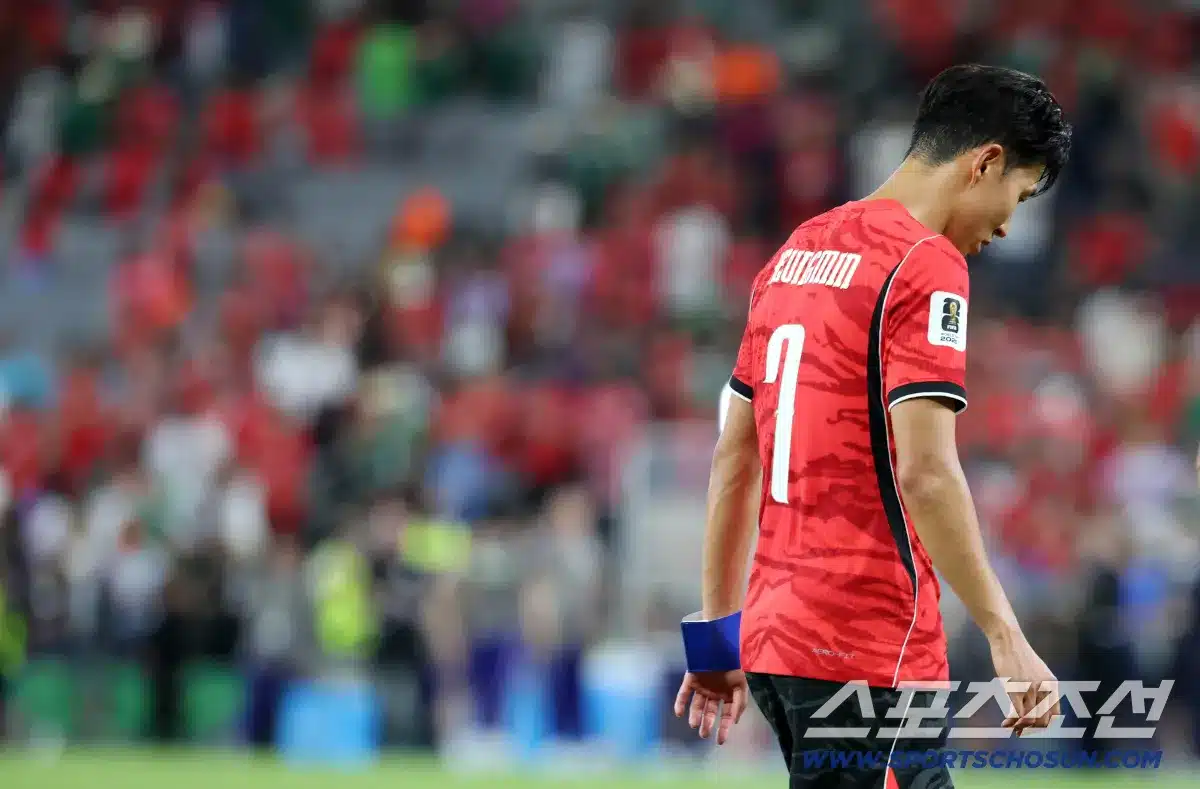
South Korean media outlet Sports Chosun has reported on the critical reception of the national team’s performance, particularly after a crucial group stage loss left their World Cup qualification hanging by a thread. The narrative suggested that South Korea, despite possessing a talented generation of players, had experienced a disappointing trend, failing to advance from the group stage in three of the last four World Cup appearances.
Following the team’s failure to secure a spot in the Round of 32, the criticism intensified, with some outlets calling for a fundamental overhaul of the South Korean football system. While coach Hong Myung-bo was a focal point of accountability, the commentary also emphasized that the team’s struggles were not solely attributable to one individual. There was a sentiment that South Koreans tend to place blame on the most visible figure, rather than addressing deeper systemic problems.
The critique pointed out that while Hong Myung-bo bore responsibility for the World Cup exit, the underlying issue lay within the entire national team system. The collapse of a system, the reports argued, is rarely the fault of a single person. However, a pattern of assigning blame to the most prominent individual was observed.
China’s Football Conundrum: Population vs. Performance
While the focus has been on South Korea’s situation, Chinese media has also weighed in on the broader landscape of international football, with the BBC offering a significant perspective on China’s own footballing paradox. The BBC noted that out of the ten most populous countries globally, eight have not qualified for the World Cup. This statistic underscores a common challenge faced by nations with vast populations but struggling to translate that demographic advantage into footballing success.
Specifically, the BBC highlighted China’s situation, stating that despite being the world’s second-most populous nation, it has only appeared in the World Cup once. The report posited that a large population naturally suggests a larger pool of potential talent. However, it stressed that football development requires more than just people; it necessitates capital and robust infrastructure.
The Role of Economics and Governance
The BBC’s analysis suggested that a certain level of economic development, specifically a per capita GDP exceeding $15,000, is often associated with thriving football nations. China’s economic standing, while significant, has not been mirrored by a commensurate rise in its footballing prowess. Theoretically, China should be capable of producing world-class players, yet its progress has been slow.
A primary obstacle identified by the BBC is the pervasive governmental control and top-down management style that characterizes many aspects of Chinese society, including its sports. While football stakeholders may need to make crucial decisions, excessive political interference is seen as a major impediment. This centralized approach, where decisions are dictated by the state rather than driven by grassroots development or independent footballing bodies, is considered a fundamental flaw.
Since the 2010s, China has invested heavily in its football program with the ambition of reaching the World Cup, but these substantial investments have yet to yield significant returns. The BBC’s commentary suggests that the issue is not a lack of potential talent due to population size, but rather a systemic problem rooted in governance and infrastructure, hindering the sport’s growth.
A Call for Self-Reflection in Chinese Football
The Chinese media’s critique, while focusing on South Korea, implicitly raises questions about China’s own footballing trajectory. The argument that South Korea’s issues represent a larger systemic problem could equally apply to China. If the discussion is about the fundamental challenges within a national football structure, then China’s own struggles warrant similar examination.
The BBC’s identification of political interference as a key barrier for Chinese football is particularly salient. The “mystery” of China’s football performance, given its population, is less about a lack of players and more about the environment in which the sport operates. The top-down, politically influenced system may stifle innovation, grassroots development, and the autonomy needed for football to truly flourish.
Ultimately, while South Korea grapples with its own World Cup qualification setbacks and the resulting internal debates, the underlying issues in Chinese football—the disconnect between population size and international success, the need for robust infrastructure, and the impact of political interference—present a complex and ongoing challenge for the sport in the country.
