

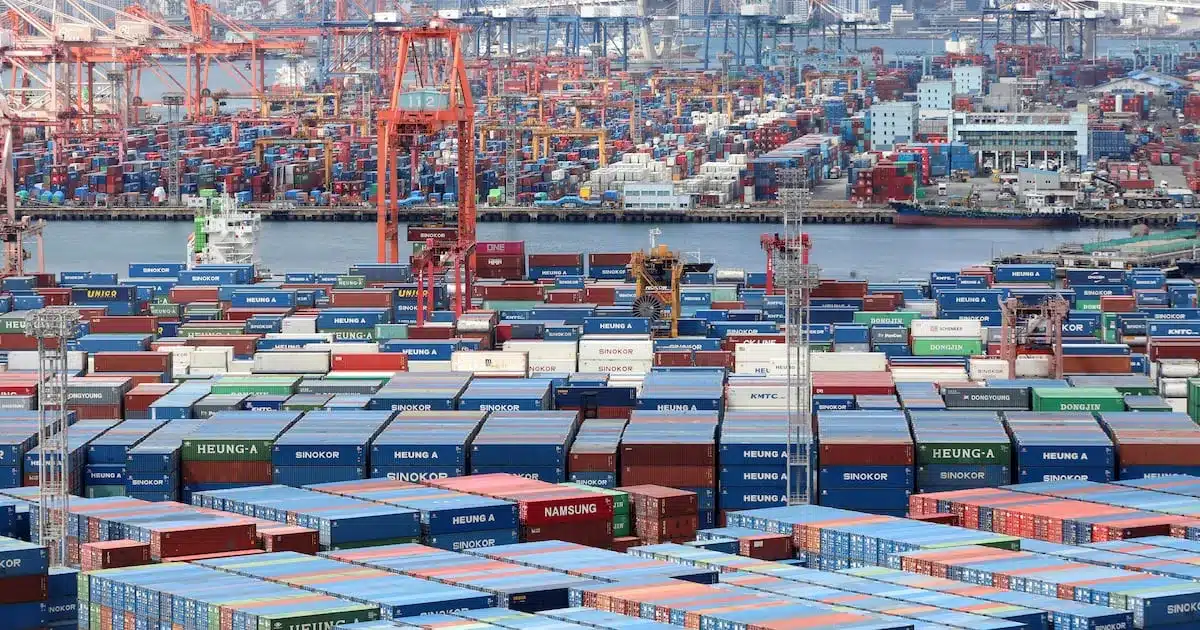
South Korea’s industrial production and investment have experienced a consecutive two-month decline, according to recent data. This downturn is occurring even as consumer spending shows signs of recovery, driven by factors such as record-high oil prices impacting fuel costs for vehicles and other goods.
Economic Indicators Point to Diverging Trends
Data released by Statistics Korea on May 30th revealed a continued slump in the nation’s industrial output. The Industrial Production Index, which excludes agriculture, forestry, and fishing, stood at 113.5 in May (based on 2020=100). This figure represents a 0.5% decrease from the previous month, following a 0.6% contraction in April. This marks the second consecutive month of falling industrial production, signaling a potential slowdown in the manufacturing sector.
Factors Influencing the Decline
Several key factors are believed to be contributing to the dip in production and investment. The ongoing geopolitical tensions in the Middle East have significantly impacted global energy markets, leading to a surge in oil prices. This has a ripple effect across the economy, increasing operational costs for businesses and transportation expenses for goods.
The surge in oil prices, while a burden on production, has paradoxically coincided with a rebound in consumer spending. This divergence highlights a complex economic environment where different sectors are experiencing contrasting pressures and recovery patterns.
Analysis of Production and Investment Trends
The decline in industrial production suggests that manufacturers are facing challenges in maintaining output levels. This could be due to a combination of factors, including rising raw material costs, supply chain disruptions, and potentially softening global demand for certain goods. Investment, which is often a leading indicator of future economic activity, also shows a downward trend. This suggests that businesses may be adopting a more cautious approach, scaling back expansion plans and capital expenditures in the face of economic uncertainty.
Sectoral Performance
While the overall industrial production index shows a decline, specific sectors may be experiencing different fortunes. Detailed breakdowns of the index would provide further insight into which industries are most affected by the current economic climate. For instance, sectors heavily reliant on imported raw materials or energy are likely to be more vulnerable to price fluctuations.
The automotive sector, for example, is directly impacted by fuel costs. While higher fuel prices might dampen demand for less fuel-efficient vehicles, they could also spur interest in more economical or electric alternatives, creating shifts within the industry.
Consumer Spending Rebound Amidst Inflationary Pressures
In contrast to the production and investment slump, consumer spending appears to be recovering. This is largely attributed to the elevated price of oil, which has increased the cost of fuel for vehicles and consequently boosted demand for related goods and services. This phenomenon, often referred to as a “rebound effect,” indicates that consumers are adapting to the new price environment, albeit with increased expenditure.
However, this spending recovery is occurring against a backdrop of general inflationary pressures. While spending on fuel-related items may be up, consumers might be cutting back on other discretionary purchases to manage their budgets. The overall impact on consumer confidence and long-term spending habits remains to be seen.
The Role of Government Data
Statistics Korea plays a crucial role in providing timely and accurate economic data. The monthly ‘Industrial Activity Trends’ report offers a vital snapshot of the nation’s economic health, allowing policymakers, businesses, and the public to understand current trends and make informed decisions. The data serves as a critical tool for monitoring economic performance and identifying potential areas of concern or opportunity.
Looking Ahead: Economic Outlook
The current economic landscape presents a mixed picture. The decline in production and investment signals potential headwinds for South Korea’s economy, suggesting a need for careful monitoring and potentially supportive policy measures. The consecutive months of contraction in industrial output warrant attention, as sustained declines could impact employment and overall economic growth.
Simultaneously, the resilience shown in consumer spending, particularly in areas affected by higher energy prices, indicates an adaptive economy. However, the sustainability of this spending rebound will depend on broader economic conditions, including inflation rates, employment levels, and global economic stability. Businesses will need to navigate the challenges of rising costs while consumers will continue to adjust their spending patterns in response to price changes and economic uncertainties.
The interplay between record energy prices, fluctuating industrial activity, and evolving consumer behavior will be key factors to watch in the coming months as South Korea’s economy seeks a stable path forward.
