

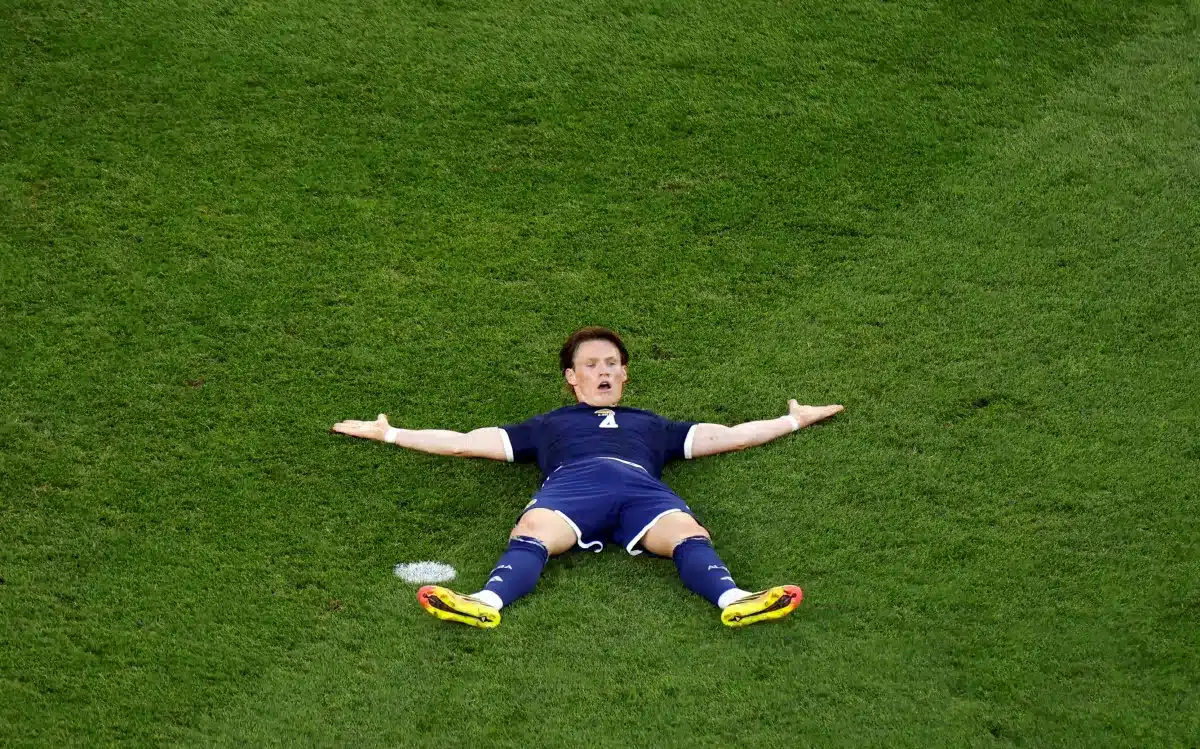
Scotland’s hopes of a triumphant return to the FIFA World Cup have concluded with a disappointing performance, failing to advance beyond the group stage of the 2026 tournament. Despite qualifying for the finals for the first time in 28 years, the team’s journey ended without a historic breakthrough, leaving fans and analysts contemplating the reasons behind the outcome.
A Long-Awaited Return Falls Short
The 2026 World Cup, expanded to 48 teams, represented a significant opportunity for Scotland. Having previously participated in the tournament eight times, the team harbored considerable expectations for this edition. The draw placed them in Group C alongside Brazil, Morocco, and Ivory Coast. While advancing past the top two teams seemed challenging, reaching the knockout stages as one of the best third-placed teams was considered a realistic goal.
However, the reality proved starkly different. Scotland managed to secure only three points in the group, failing to secure a victory. They conceded four goals, resulting in a goal difference of -3, which ultimately proved insufficient to overcome the hurdle of reaching the top 32. The statistical probability of advancing had reportedly dwindled to as low as 0.07% in the final stages, underscoring the magnitude of the disappointment.
Finishing as the third-placed team in their group, Scotland ranked 11th among all third-placed teams globally. This position was one place behind South Korea in the overall standings, highlighting the narrow margins involved.
Analysis of the Performance
The BBC described Scotland’s performance as “painful to watch,” noting that while the on-field struggles were difficult to witness, the subsequent “bleak and uninspired hope” offered by figures like Steve Clarke was even more disheartening. The report suggested that Scotland displayed flashes of quality throughout their matches, including a strong second-half performance against Morocco and registering their first shot on target against Brazil only when already trailing 3-0.
Commentary points to a complex web of factors contributing to the team’s exit, rather than attributing blame to any single individual. The overall assessment is that the failure is a “complex outcome” stemming from multiple layers of issues.
Underlying Challenges and Future Outlook
Several underlying challenges have been identified as contributing to Scotland’s World Cup struggles. One significant concern is the age of the squad. Scotland was noted as one of the oldest teams participating in the tournament, with many players expected to retire from international football soon. This raises the prospect of a future player shortage, potentially impacting the team’s competitiveness in subsequent tournaments.
The immediate future for the Scottish national team appears uncertain following this disappointing campaign. The team’s performance has cast a shadow over their prospects for the next World Cup cycle.
Managerial Change
Adding to the post-tournament narrative, manager Steve Clarke has resigned from his position after a seven-year tenure. The Scottish Football Association confirmed Clarke’s departure through official channels. His resignation came shortly after the team’s elimination from the World Cup was confirmed.
Clarke is recognized as one of Scotland’s most successful managers. His departure marks the end of an era, particularly given his success in guiding the team to the World Cup finals for the first time in nearly three decades. While his tenure ended with an unfulfilled promise of a deep tournament run, his contributions to Scottish football are acknowledged.
The team now faces the task of rebuilding and finding a new direction, with the hope of learning from this experience and striving for better results in future international competitions. The journey back to the World Cup was a significant achievement, but the group stage exit underscores the persistent challenges Scotland must address to compete at the highest level.
