

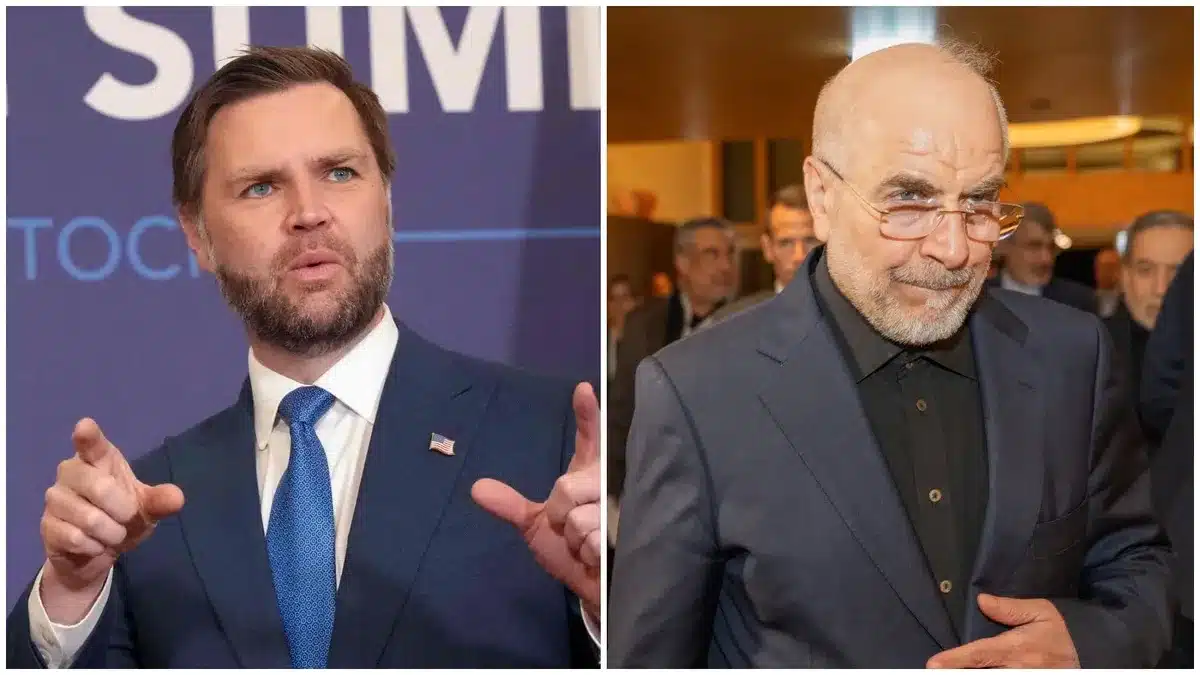
High-Stakes Negotiations Open in Switzerland
Delegations from the United States and Iran convened on Sunday in a critical round of diplomatic talks aimed at de-escalating regional conflicts and addressing long-standing security concerns. The meetings, held in a secluded resort in Switzerland, mark the first face-to-face engagement between the two nations’ representatives in over 70 days, following an initial agreement signed in April.
Key Issues on the Table
Central to the discussions are the intricate details of Iran’s nuclear program, the lifting of economic sanctions, and the ongoing conflict in Lebanon. Both sides are reportedly focused on achieving concrete breakthroughs within the 60-day intensive negotiation period outlined in the initial memorandum of understanding (MOU). The agreement broadly stipulates a ceasefire across all fronts and the potential for reopening Hormuz Strait trade.
The U.S. delegation is led by Vice President J.D. Vance, who arrived in Switzerland early Sunday and joined key advisors including Steve Whitcoff, Special Envoy for Middle East Affairs, and Jared Kushner, a senior advisor to the President. Vice President Vance expressed a desire for progress, stating, “I hope for progress in this historic meeting on the Iranian nuclear issue and the Lebanon ceasefire issue. I look forward to a future where all cooperate to promote peace and prosperity.” The Iranian delegation, headed by Mohammad Bagher Ghalibaf, Speaker of the Islamic Consultative Assembly, arrived in Switzerland the previous day.
Shadow of Conflict Looms
Despite the commencement of talks, the atmosphere remains tense. Recent Israeli airstrikes on Hezbollah positions in Lebanon have heightened concerns, with Iran issuing warnings about a potential “re-blockade” of the Strait of Hormuz. The ongoing military exchanges, including Israeli strikes on southern Lebanon that resulted in casualties, cast a shadow over the negotiations.
President Trump took to social media to issue a stark warning, stating, “If Iran does not stop its proxy forces (Hezbollah) in Lebanon, we will strike back very hard again.” Similarly, Israeli Defense Minister Katz declared, “We will not withdraw from southern Lebanon, which is directly related to our security.”
Iran’s Demands and U.S. Objectives
Esmail Baghaei, spokesperson for the Iranian Ministry of Foreign Affairs, emphasized Iran’s position prior to the talks, stating, “Our presence in Switzerland is to demand the fulfillment of the other party’s obligations.” He further elaborated that negotiations for a final agreement would only commence upon the implementation of specific articles within the MOU. These articles include the immediate and permanent cessation of military hostilities on all fronts, the lifting of U.S. sanctions on Iran, and a 60-day exemption from Hormuz Strait transit fees. Iran also expects the immediate release of frozen assets and guarantees regarding oil sales.
The U.S. delegation’s primary objectives reportedly include progress on nuclear issues, the stable reopening of Hormuz Strait trade, and maintaining the ceasefire in Lebanon. The conservative wing within the U.S. has voiced criticism, suggesting that the MOU grants too many concessions to Iran. Consequently, tangible progress on curbing Iran’s nuclear development and ensuring the return and processing of uranium are deemed essential.
Rafael Grossi, Director General of the International Atomic Energy Agency (IAEA), also traveled to Switzerland for discussions on nuclear non-proliferation. While he met with the Swiss Foreign Minister to discuss the situation related to Iran and the IAEA’s role, it remains unclear if the nuclear program will be an official agenda item. Mutual distrust persists, and security concerns related to Israel continue to complicate the path to a final agreement within the 60-day timeframe.
Economic Sanctions and Uranium Concerns
A clear divergence in priorities is evident, with Iran seeking the immediate lifting of economic sanctions and the release of frozen assets, while the U.S. emphasizes resolving nuclear-related issues, including the return and processing of high-enriched uranium. The composition of the Iranian delegation, which includes key figures from the Foreign Ministry, the Supreme National Security Council, the Central Bank, and the oil sector, suggests a strong focus on economic matters.
The Trump administration has reiterated that passage through the Strait of Hormuz will not be permitted during the 60-day ceasefire period, and will not be allowed even after its expiration unless a final agreement is reached. This stance underscores the U.S. expectation of a significant quid pro quo for its role as a “guardian angel” in the region.
Mediated Negotiations
The negotiations are proceeding in a four-party format, following separate preliminary meetings between the U.S. and Qatar, and Iran and Pakistan. Representatives from Pakistan, including Prime Minister Shehbaz Sharif and Army Chief of Staff Asim Munir, are participating in the talks, playing a role in mediating between the two sides.
