

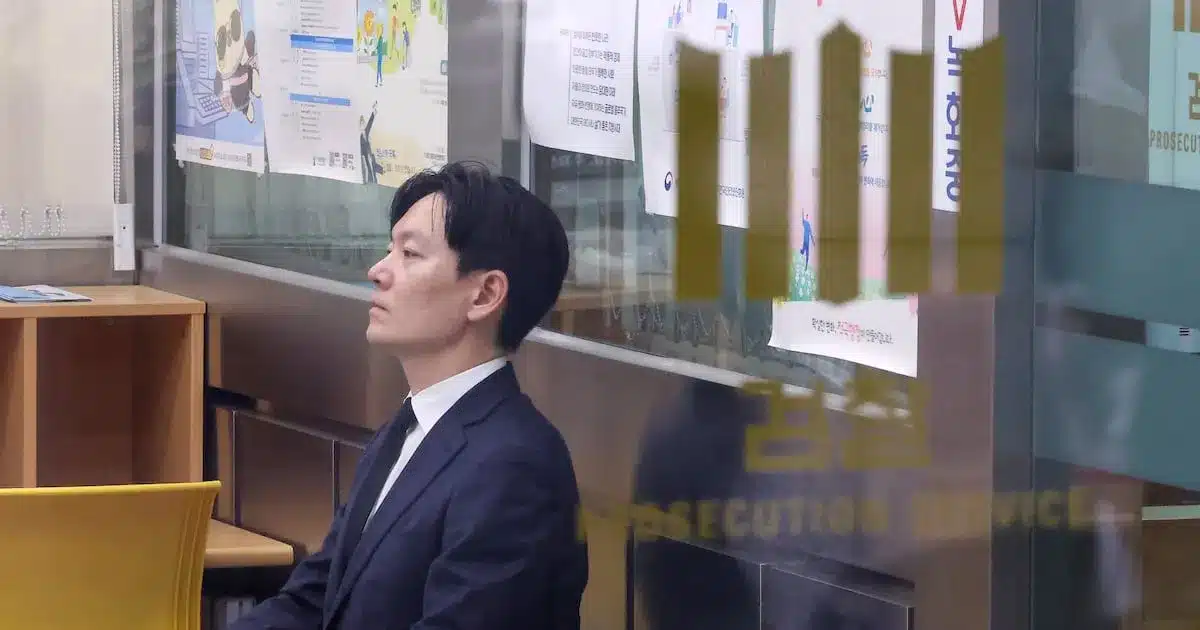
A Seoul High Court judge has approved a two-month detention request against Incheon District Prosecutors’ Deputy Chief Prosecutor Park Sang-young for allegedly leaking sensitive details from the investigation into the massive Sangbang warehouse North Korea remittance case.
Key Allegations in the Ruling
The presiding judge determined on May 12 that Park lacked any legitimate reason for “properly providing drinks to the victims.” While the court noted no denial of internal drinks like Crocsdas, evidence confirmed external items such as kim bap and coffee were brought into the facility.
Court documents highlight Park’s actions, including demanding repayments from victims through altered statements, failing to reflect employee salaries in asset seizures, and denying drinks to victims altogether. These factors contributed to the approval of the two-month detention.
Legal Analysis and Broader Context
Officials emphasized that Park introduced external food items like kim bap and Hambakguk, along with coffee, directly influencing the disciplinary grounds. However, items like Crocsdas, which were not reflected in court records, fell outside the ruling’s scope.
Relations from the court stated, “Denying drinks within court premises is a nationwide issue among all judges, not isolated to this case.” A Seoul High Court task force also refrained from questioning internal record denials.
Prior Investigations Uncover Patterns
Last September, a special investigation team analyzed 1,600 pages of reports and found that in 1,313 cases under Park, direct perpetrators like Park Sang-woong and Park Sang-min supplied Teakout Coffee (sushi), macarons (once), and Crocsdas (once) to the entire warehouse staff. Investigators received the full warehouse contents.
Additionally, individuals connected to Kim Seong-tae provided external drinks including Hambakguk (1-2 times), ddeok (once), and cake (once).
Scope of the Disciplinary Probe
The Supreme Prosecutors’ Office views the judge’s ruling reasons as sufficient grounds for indictment across five categories: pretext, pretext adherence, fairness, oversight, and verification.
While suspicions around ‘Yeonwoo alcohol parties’ and ‘Jinsul seminars’ exist, the court focused strictly on investigation-related violations, stating it concentrated on the probe’s purpose. Disagreements persist, with investigation insiders countering that national Yeonwoo alcohol party victims lack actual harm.
