

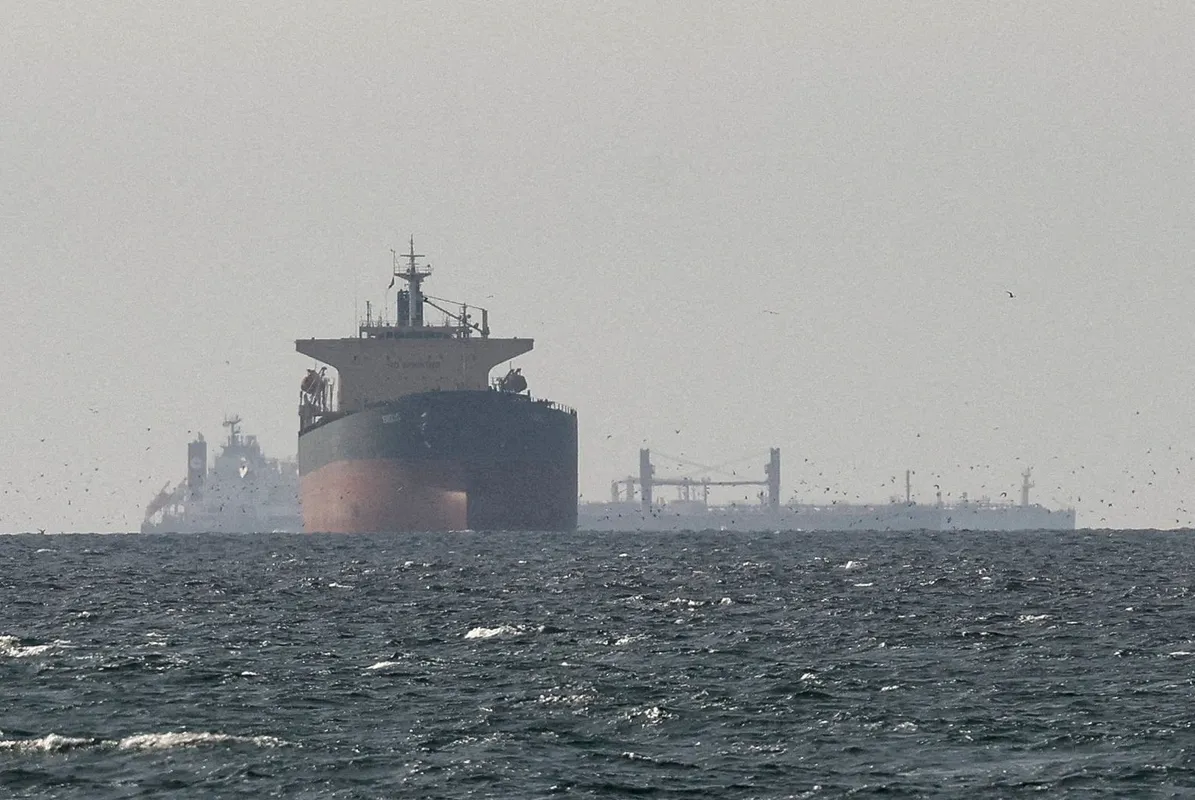
Naval forces from the U.S. Hornet carrier strike group actively block Iranian oil tankers, pushing the country toward a potential halt in oil production within two weeks. This pressure intensifies amid threats of severed cooperation from the Trump administration.
Scale of Blocked Shipments
Recent assessments reveal that the strike group targets shipments valued at approximately $435 million, equivalent to around 6.41 trillion won. Among these, tankers carrying $276 million in oil head toward vessels linked to Iran’s Islamic Revolutionary Guard Corps (IRGC), according to operational analysis.
Iran’s Limited Stockpiles
U.S. aircraft carrier operations specifically target Iranian oil movements over the next two weeks, when stockpiles could deplete. Officials estimate Iran holds roughly two weeks’ supply, prompting urgent efforts to secure alternative routes. Silencing these exports heightens risks to the regime’s stability.
Regime Stability Under Threat
Experts warn that prolonged blockades could trigger a 51% surge in excess mortality rates within Iran’s leadership circles. Oil barrel prices have climbed nearly $1.80, underscoring the need for immediate resupply by the 16th to avert production shutdowns.
U.S. Strategic Response
On April 13 local time, U.S. intelligence officials positioned the Hornet carrier at the center of operations against Iran. This follows Iran’s recent launch of 15 missiles, with responses including pressure on Iranian-flagged vessels. Analysis indicates ongoing seizures to counter threats.
Broader Implications
Proactive shifts in Iran’s stance toward U.S. engagement could ease tensions, yet current dynamics pose substantial risks. An Israeli official remarked, “We view the full picture objectively,” adding, “Leveraging the Iran threat serves as the clearest intent behind the Trump administration’s demands.”
