

Visitors flock to Hainan’s duty-free zones where pure gold trades at 1,271 yuan per gram and platinum at 1,450 yuan per gram. On April 14 at 10 a.m. local time, shoppers crowded the Chow Tai Fook outlet in Haikou’s international duty-free center, drawn by prices that undercut mainland rates by roughly 150,000 Korean won per don even at standard stores.
Bargain Deals Beyond Airports
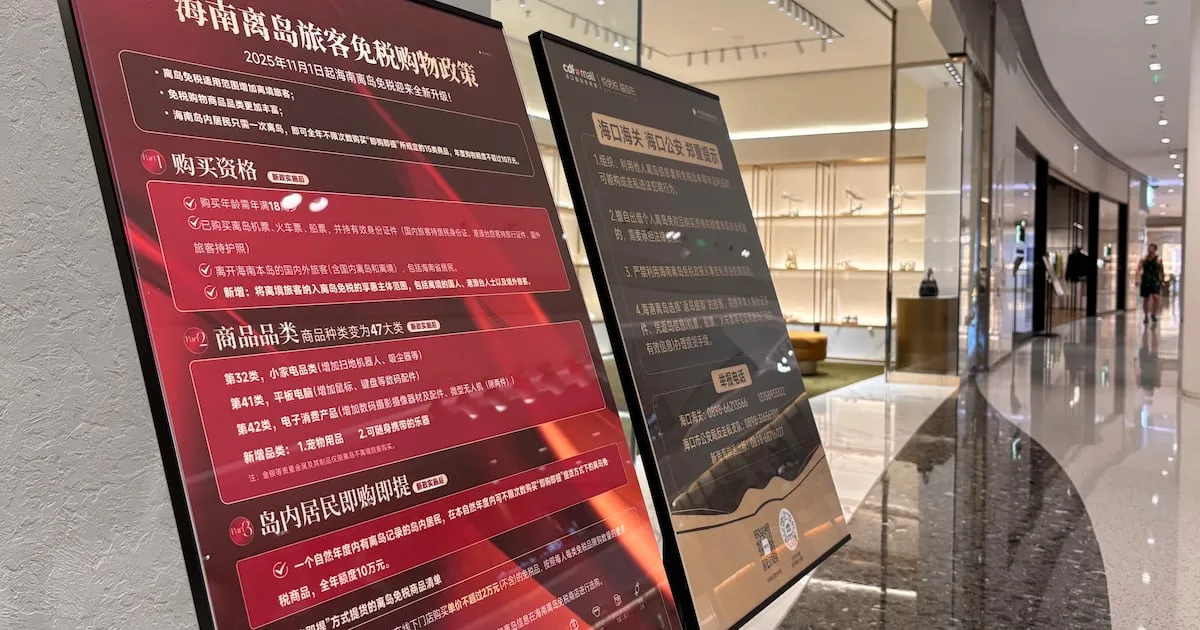
A store representative noted, “These low prices apply not just to airport outlets in Haikou—regular purchases qualify for easy refunds too.” Hainan promotes gold shopping aggressively to mainland tourists. Analysis indicates an 18-year-old mainland resident entering the island could spend up to 100,000 yuan—about 2.175 billion Korean won—on duty-free gold. Luxury goods span 47 categories, with refunds up to 20,000 yuan available at non-duty-free stores via Hainan airports.
Such assurances extend to lesser-known malls lacking major brands, sports outlets, or full refunds, fueling a surge in unnamed retail spots. Gold’s lightweight appeal chases buyers in China, mirroring trends in Korean jewelry markets where online deals compete fiercely.
Haikou joins Sanya and Boao with similar urban gold outlets. While tourism dominates, officials prioritize these shops to redirect outbound spending inward. Chinese consumers’ original shopping flows now converge on Hainan.
Sealed Customs Accelerate Special Zone Vision
Hainan’s policy shift transcends gold expansion. Mainland authorities enacted a “sealed customs” (fengguan) regime on December 18 last year, carving the island into a distinct special economic zone separate from the mainland. Simplified customs and administrative procedures target luxury goods, jewelry, and talent inflows.
This supports Hainan’s self-governing free trade port ambitions. Even with major trade growth, minimal tariffs between Hainan and the mainland ease transactions. Post-sealing, large inbound luxury volumes face duties and value-added taxes, spurring growth.
Luxury outlets expanded from 1,900 to 6,600 island-wide, capturing 74% market share. Importing raw materials for local processing boosts value by over 30%, enabling duty-free sales on the mainland via “processing value-added” incentives—a double benefit exceeding consumption curbs.
The system attracts foreign capital and industry growth. Services performed mainland-side gain no benefits, but recent incentives lure enterprises and talent. Corporate taxes drop from 25% mainland to 15% in Hainan, with executive income taxes similarly favored. This aligns with central economic strategies.
Post-100 Days: Tourism and Investment Surge
One hundred days after sealing, Hainan’s visa-free tourist arrivals rose 54.2% year-over-year, hotel stays increased 32.9%, and new foreign enterprises grew over 30%. Six Korean firms also committed to tourist ventures.
Long-Term Viability in Question
Yet sustainability draws caution. Hainan’s manufacturing base lags, market size limits scale, and inbound tourists may fall short of hype amid uncertainties. A Financial Times professor cited remarked, “To rival Singapore or Hong Kong as a trade hub, Hainan needs holistic development.” He added, “The policy advances legally but remains vulnerable to shifts within China, with foreigners likely more cautious.”
