

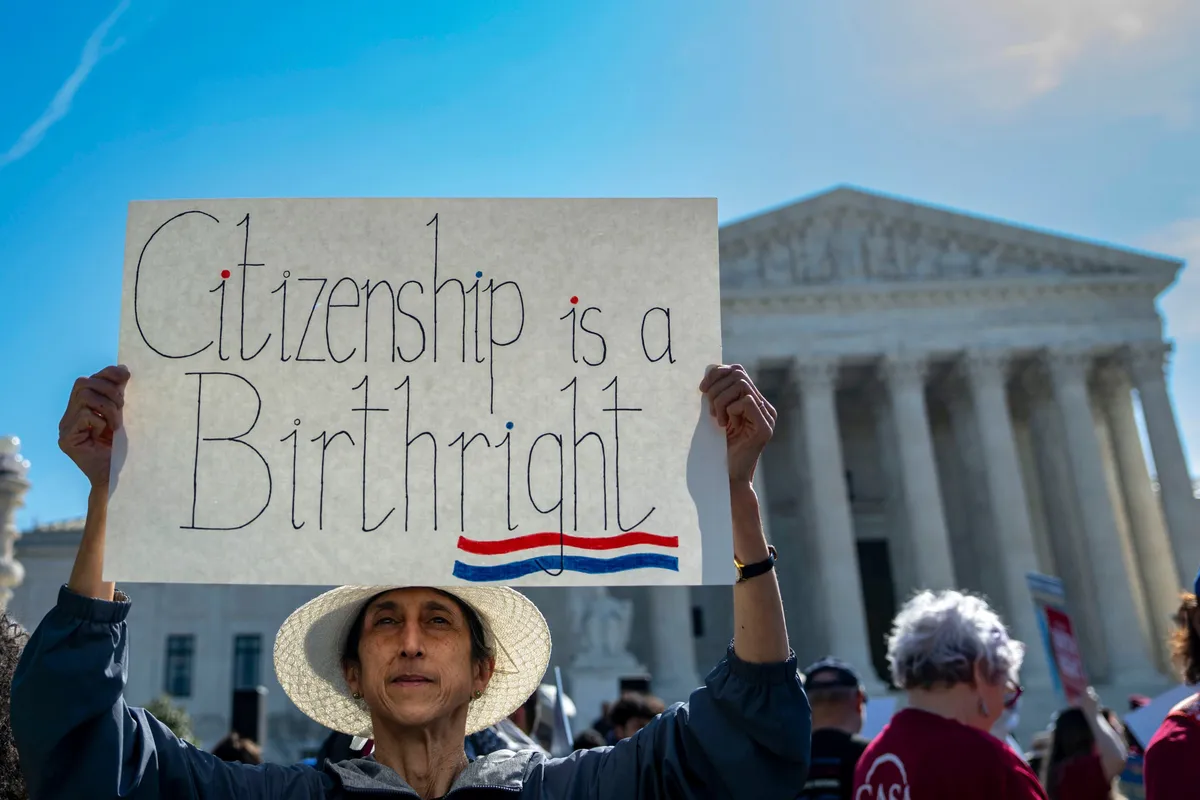
Donald Trump, the US presidential candidate, intensifies efforts to eliminate birthright citizenship, granting automatic US nationality to children born on American soil regardless of parents’ status. This policy sparks widespread concern amid growing campaign focus.
Recent House Bills Target Core Policy
On April 1 (local time), two bills emerged in the US House of Representatives aiming to restrict birthright citizenship. These measures limit citizenship to children of US citizens or lawful permanent residents, excluding those born to undocumented immigrants or certain foreigners. Trump announced support for these proposals within the next month.
Such changes could affect at least 20 million current citizens, according to estimates. The Supreme Court may review the issue as early as late June or early July.
Trump’s Direct Challenge
Trump directly endorses ending birthright citizenship, calling it an unconstitutional interpretation exploited by undocumented individuals and foreign nationals. “America grants citizenship to protect those born here to citizens,” he stated, emphasizing the need for constitutional reform.
14th Amendment Roots and Debates
The policy stems from the 14th Amendment’s interpretation since 1868, defining US citizens as “all persons born or naturalized in the United States and subject to its jurisdiction.” Trump argues this loophole incentivizes illegal entries for citizenship benefits.
Immigrant communities strongly oppose the bills, with 22 states already signaling support. Critics label it a “clear threat,” while proponents view it as essential reform.
Legal Precedents and Opposition
The 1989 Supreme Court case involving Wong Kim Ark upheld citizenship for children born in the US to non-citizen parents with permanent domicile. Justices like Neil Gorsuch and Elena Kagan reaffirmed the 14th Amendment’s text, stating no modern equivalent exists without legal residency.
John Sauer, solicitor general nominee, clarified, “The common interpretation requires lawful permanent residency.” The ACLU challenges bills, arguing they contradict longstanding precedents.
Supreme Court Perspectives
Supreme Court rulings affirm birthright citizenship for those born in the US. Justice Clarence Thomas stated, “Birthright citizenship curbs most national sovereignty concerns.” Observers note interpretations evolve, but core protections remain.
Opponents, including Wong Kim Ark descendants, urge preserving birthright citizenship to protect families. Legal battles intensify as the policy divides public opinion.
