

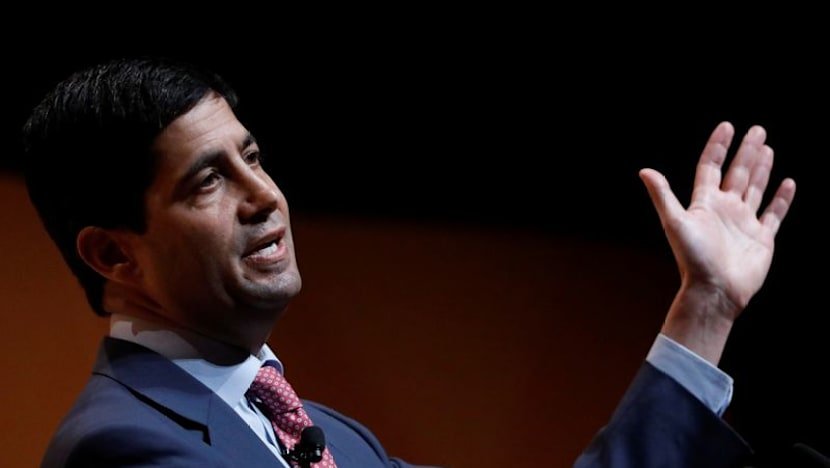
Washington, January 30 – Kevin Warsh, President Donald Trump’s nominee to lead the Federal Reserve, has received more than $1 million in compensation since 2020 for his role on the board of directors at e-commerce giant Coupang. The company, headquartered in Seattle, currently faces scrutiny amid escalating trade tensions between the United States and South Korea.
Warsh’s Board Role and Earnings
Warsh joined Coupang’s board in October 2019 and has earned approximately $325,000 annually in total compensation since 2022. At age 55, Warsh previously served as a Federal Reserve governor from 2006 to 2011 and now teaches at Stanford University. He has also held a position on the board of United Parcel Service (UPS) since 2012, where his annual pay ranged from nearly $285,000 to $305,000 between 2021 and 2024, based on the most recent available data.
Coupang’s Involvement in Trade Tensions
South Korean regulators are investigating Coupang following a significant data leak incident. Some American investors have urged the Trump administration to examine the probe, arguing it unfairly targets the U.S.-based firm. Last week, Vice President JD Vance raised the matter in discussions with South Korean Prime Minister Kim Min-seok.
Shortly after, Trump announced a hike in U.S. tariffs on South Korean automobiles and other imports, raising them from 15 percent to 25 percent. The president cited Seoul’s failure to fulfill obligations under a trade agreement finalized last year. South Korean officials visited Washington this week to negotiate the trade deal, but the two sides have not yet reached a resolution.
Federal Reserve Conflict of Interest Rules
The Federal Reserve Act requires Board of Governors members to dedicate their full time to the role, prohibiting other employment. Additionally, Fed regulations prevent members from holding positions or stock in banks, banking institutions, or trust companies. Officials generally cannot join a member bank for two years post-service unless they served a complete term.
Recent rule enhancements, implemented after a trading scandal that led to the resignations of two regional reserve bank presidents, prohibit Fed officials from buying individual stocks, entering derivatives, or holding individual bonds and agency-backed securities. New appointees have six months from their start date to achieve full compliance.
The White House has not commented on whether Warsh must divest his holdings or the timeline for doing so. Warsh has not responded to inquiries about his plans. The Federal Reserve also offered no immediate reply.
