

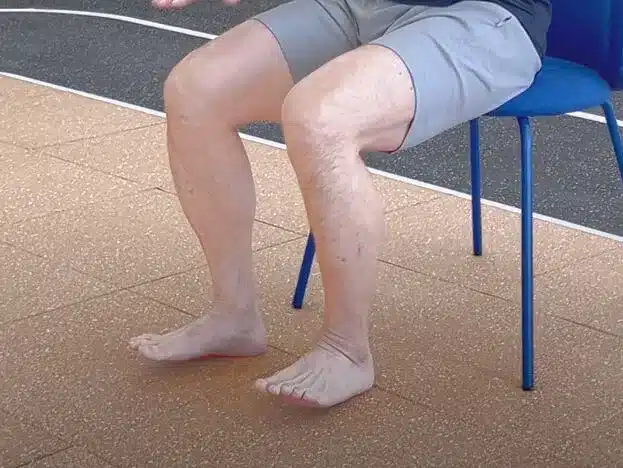
Experiencing a tingling sensation in your feet upon waking, or a dull, unresponsive feeling throughout the day? These sensations, along with other foot and ankle issues, can stem from a loss of sensitivity and impaired function in the sole. This condition, often referred to as ‘stiff sole’ or a ‘numb sole,’ can have far-reaching consequences, impacting not only the feet but also the ankles, knees, and even the spine. Fortunately, simple, targeted exercises can help reawaken the foot’s sensory system and restore proper biomechanics.
Understanding the Problem: The Numb Sole Syndrome
The soles of our feet are equipped with a sophisticated sensory system that plays a crucial role in balance, shock absorption, and overall posture. When this system becomes desensitized or dysfunctional, it can lead to a cascade of problems. This isn’t merely a matter of reduced sensation; it signifies a breakdown in the coordination between the foot’s sensory input and the brain’s motor control.
When the sole loses its ability to effectively absorb impact, the shock is transmitted upwards. This can strain the calf muscles, leading to tightness and discomfort, and eventually travel to the ankles, knees, and lower back. The body’s natural defense mechanism kicks in: muscles in the legs may tense up protectively, further exacerbating stiffness and pain. This can create a cycle of chronic pain and postural issues.
Common indicators of this condition include:
- A tingling or numb sensation in the sole or heel, especially upon first waking.
- A burning or aching feeling in the sole after prolonged standing or walking.
- Frequent ankle sprains or a feeling of instability when walking or standing.
- Uneven wear patterns on the soles of shoes, with one side showing significantly more wear.
- A dull, heavy, or unresponsive feeling when the foot contacts the ground.
- Difficulty achieving a smooth, rolling gait from heel to toe.
- Fatigue in the sole of the foot before calf fatigue during prolonged standing.
- Persistent tightness in the sole that doesn’t easily resolve with massage or soaking.
The Solution: Targeted Foot Exercises
The key to addressing a stiff or numb sole lies in stimulating the sensory nerves and strengthening the intrinsic muscles of the foot. These exercises are designed to be performed easily, requiring minimal space and time, making them ideal for a morning routine or a quick break during the day. Consistency is vital for re-establishing proper nerve function and improving the foot’s responsiveness.
Exercise 1: The Caterpillar Crawl
This exercise focuses on improving the foot’s ability to grip and move the toes, mimicking the motion of a caterpillar. It helps re-engage the muscles responsible for toe flexion and extension.
- Sit comfortably on a chair with your bare feet flat on the floor.
- Begin by scrunching your toes, then extending them forward, attempting to ‘crawl’ your foot forward by alternately moving your toes. Imagine you are trying to pull your foot towards you using only your toes.
- Continue this motion, moving your foot forward as much as possible.
- Once you’ve moved as far forward as you can, reverse the motion, bringing your foot back to its original position by ‘crawling’ it backward with your toes.
- Repeat this process 10 times.
Tip: Focus on the small, deliberate movements of your toes. Even if you can’t move your foot very far, the sensation and muscle activation are what matter. This gentle movement helps lubricate the ankle joint and improves flexibility.
Exercise 2: Heel and Toe Taps
This series of movements targets the muscles in the front and back of the lower leg and foot, improving ankle mobility and strength.
- Sit comfortably on a chair with your bare feet on the floor.
- Heel Taps: Keeping your heels on the ground, lift your toes and the balls of your feet off the floor. Then, lower them back down. Repeat 10 times.
- Toe Taps: Keeping your toes and the balls of your feet on the ground, lift your heels off the floor. Then, lower them back down. Repeat 10 times.
- Alternating Taps: Alternate between tapping your heels and tapping your toes, as described above. Repeat 10 times.
Tip: You don’t need large movements to feel the effects. Concentrate on engaging the muscles in your feet and ankles. This helps stimulate the nerves and improves circulation.
Exercise 3: Ankle Rotations and Calf Raises
These exercises enhance ankle flexibility and strengthen the muscles that support the arch of the foot.
- Sit comfortably on a chair with your feet flat on the floor.
- Calf Raises (Feet Parallel): With your feet parallel (about hip-width apart), lift your heels as high as possible, rising onto the balls of your feet. Hold briefly, then slowly lower. Repeat 10 times.
- Calf Raises (Pigeon-Toed): Turn your toes inward so your feet form an ‘A’ shape. Perform calf raises, lifting your heels. Repeat 10 times.
- Calf Raises (Duck-Footed): Turn your toes outward so your feet form a ‘V’ shape. Perform calf raises, lifting your heels. Repeat 10 times.
Tip: Imagine you are a ballerina pointing your toes. This helps activate the smaller muscles that support the ankle and foot, leading to a stronger, more stable arch.
The Importance of Reawakening Foot Sensation
Ignoring the signals from your feet can lead to more significant health issues. When the sensory feedback loop is broken, the brain doesn’t receive accurate information about the ground beneath you. This can lead the body to perceive even simple actions like walking as potentially hazardous, triggering protective muscle guarding.
By actively engaging in exercises that stimulate the sole’s sensory nerves, you help the brain confirm that the ground is a safe surface. This allows the protective muscle tension to release, enabling the restoration of a natural walking gait and improved posture. These simple movements are not just about relieving immediate discomfort; they are about rebuilding a fundamental connection between your feet and your nervous system, preventing future injuries and promoting overall well-being.
Conclusion
The tingling, numbness, or stiffness in your feet might seem like a minor annoyance, but it can be a sign of a deeper issue affecting your body’s foundational support system. By incorporating these simple, targeted three-minute exercises into your daily routine, you can effectively reawaken your foot’s sensory nerves, strengthen supporting muscles, and improve your overall balance and posture. Don’t let a numb sole compromise your health; take proactive steps to reconnect with your feet and walk with renewed confidence and comfort.
