

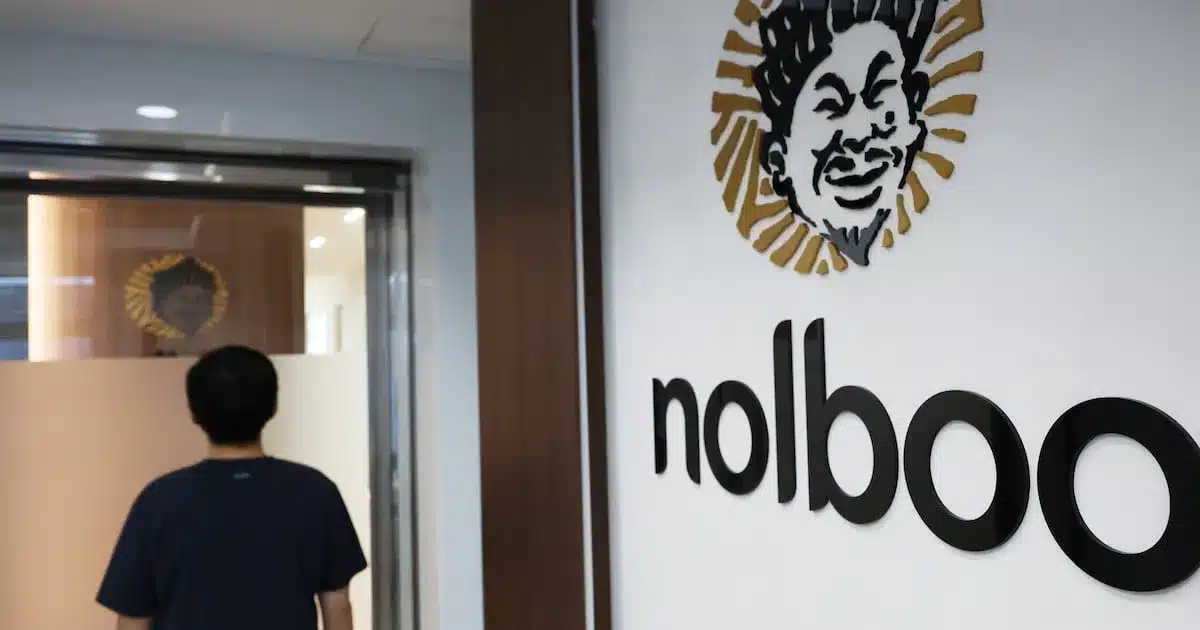
A Seoul court has appointed a receiver for Nolbu, a prominent Korean food franchise, following its bankruptcy filing. This move temporarily suspends the existing management’s operational and asset management rights, placing the company’s assets under the control of a court-appointed administrator. The decision aims to preserve the company’s assets while the court deliberates on the feasibility of its restructuring plan.
Court Intervention and Receiver Appointment
The Seoul Rehabilitation Court issued a preservation and management order for Nolbu Co., Ltd. on May 31st. This order signifies the court’s intention to safeguard the company’s assets during the bankruptcy proceedings. The court indicated that a thorough review of Nolbu’s restructuring proposal would require significant time. Therefore, it deemed it appropriate to entrust the company’s assets to an independent third party, rather than leaving them under the control of the current management, to ensure their preservation.
It is crucial to understand that the appointment of a receiver does not automatically mean the company will proceed with rehabilitation. A preservation and management order is a procedural step. It is granted when a court deems it necessary after a bankruptcy filing to appoint a receiver. This administrator then takes charge of the debtor’s business operations and asset management. Following this order, certain actions, such as repaying debts incurred before the order, disposing of company assets, or disbursing funds exceeding 10 million won, require the receiver’s and the court’s approval.
Distinction from Previous Orders
This new order differs significantly from a previous provisional seizure and prohibition order issued on May 4th. While the earlier order aimed to prevent creditors from forcibly seizing assets or liquidating company property, the current preservation and management order goes a step further by divesting the existing management of their operational authority. This indicates a higher level of court intervention deemed necessary due to the company’s financial situation.
Nolbu’s Bankruptcy Filing and Business Background
Nolbu officially applied for court receivership on May 31st. Prior to this, the court had already issued the provisional seizure and prohibition order on May 4th. On May 11th, the court conducted an initial hearing, summoning Nolbu’s representative, Kim Yong-wi, for questioning. During this hearing, Kim Yong-wi reportedly stated that the company was doing its utmost to survive, citing challenging market conditions. He attributed the difficulties to factors such as the sluggish food service industry, rising labor and ingredient costs, and the increasing number of restaurant closures.
The court had planned to conduct further investigations before making a final decision on whether to grant Nolbu’s request for court receivership.
A Legacy Facing Challenges
Founded in 1987 as a bossam (boiled pork wrap) restaurant, Nolbu grew into one of South Korea’s leading food franchises. At its peak, the company operated approximately 1,000 outlets nationwide and reported annual sales exceeding 120 billion won. However, the company has faced significant headwinds in recent years.
Intensified competition within the food service sector, coupled with the economic impact of the COVID-19 pandemic, led to a prolonged period of financial distress. Nolbu reported operating losses for six consecutive years, from 2017 to 2022. While the company managed to return to profitability in 2023, it subsequently reverted to a loss-making position.
Financial Performance and Debt
According to a 2025 audit report, Nolbu’s revenue for the previous year stood at 63.9 billion won, a notable decrease of approximately 16% from the 76.1 billion won reported the year before. The operating loss widened significantly, escalating from 600 million won to 8.7 billion won, a more than fourteenfold increase. By the end of last year, the company’s accumulated deficit amounted to 95.9 billion won, with a capital impairment ratio of 82%.
These years of deteriorating financial performance are the backdrop to Nolbu’s decision to seek court protection through bankruptcy proceedings.
Corporate Ownership and Investment History
Nolbu’s financial struggles have been influenced by its ownership structure and investment history. In 2011, Morgan Stanley Private Equity acquired Nolbu for 111.4 billion won. Later, in 2021, the investment firm NB Holding took over the management rights.
The court is expected to proceed with further deliberations, including additional investigations, after the appointment of the receiver. A final decision on whether to grant Nolbu’s request for court receivership will be made following these comprehensive reviews.
The Role of the Receiver
The receiver’s primary role is to manage the company’s assets and operations impartially, aiming to maximize the value of the estate for the benefit of creditors and stakeholders. This involves overseeing day-to-day business activities, making financial decisions, and potentially restructuring the business to ensure its viability or facilitate an orderly liquidation. The receiver acts as an officer of the court, reporting regularly on the company’s status and proposed actions.
The appointment of a receiver is a critical juncture for Nolbu. It signifies a formal attempt to address the company’s deep-seated financial issues under judicial supervision. The outcome will depend on the court’s assessment of the viability of a restructuring plan and the receiver’s effectiveness in managing the company during this challenging period.
