

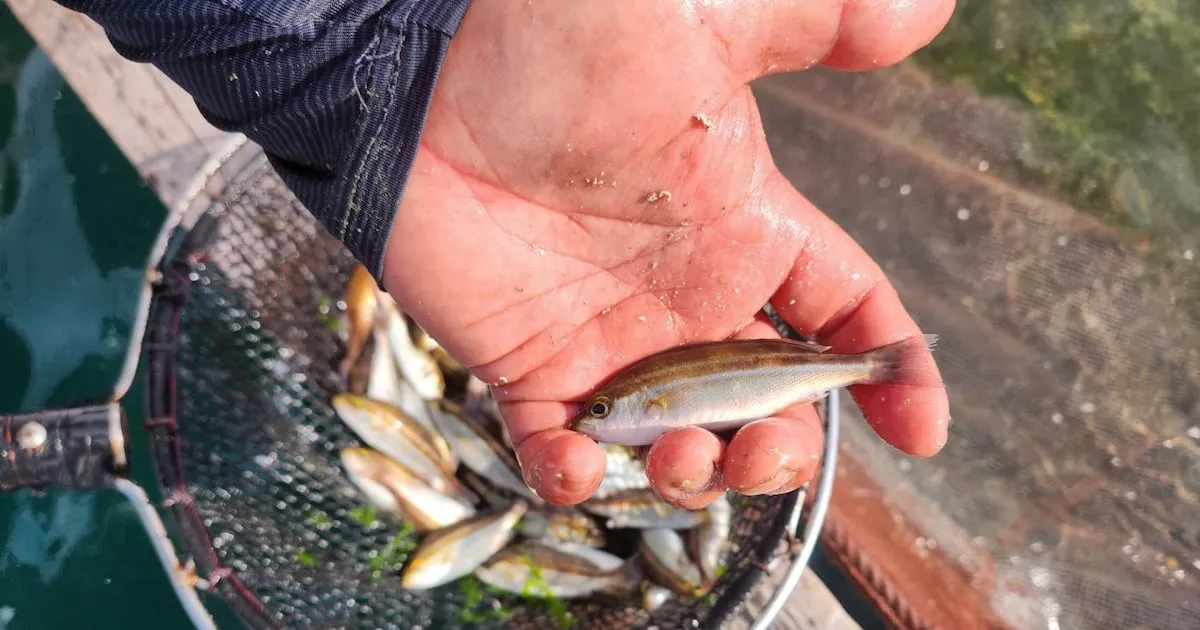
Gyeongnam Province is undertaking a significant overhaul of its aquaculture industry, transitioning away from species vulnerable to rising ocean temperatures towards more resilient alternatives. This strategic shift aims to mitigate the devastating impacts of record-breaking marine heatwaves, which have caused substantial losses in recent years. The province plans to increase the proportion of heat-tolerant fish species in its aquaculture operations to 75% by 2030.
Addressing the Impact of Marine Heatwaves
The province announced its new “Climate Change Response Sustainable Fisheries Strategy” on the 17th, outlining a comprehensive plan to adapt to the escalating climate crisis. This strategy is built upon three core pillars: fostering a “clean sea circulation economy,” developing a “high-value-added fisheries industry,” and creating a “vibrant fishing and safe port environment.” A key component of this initiative is the “aquaculture species quality improvement” plan.
Gyeongnam has been particularly hard-hit by marine heatwaves. In 2024, record-breaking high temperatures led to the mass death of approximately 8.41 million fish, including rockfish and abalone. The estimated damage reached 26.5 billion won (approximately $19 million USD). This follows a similarly devastating year in 2024, when losses amounted to 65.92 billion won (approximately $47 million USD), making it the second-largest loss in terms of scale.
Transitioning to Heat-Tolerant Species
In response to these severe losses, Gyeongnam Province is shifting its aquaculture focus from cold-water species like rockfish and abalone to warmer-water species such as sea bass and flounder. These species are known to better withstand higher water temperatures. The goal is to raise the proportion of these heat-tolerant species in the province’s aquaculture output from the current 50% to 75% by 2030.
To facilitate this transition, the province will begin supporting fish farms this year through the “Climate Change Response Pilot Aquaculture Support Project.” This initiative, funded by the Ministry of Maritime Affairs and Fisheries, will provide subsidies for the purchase of juvenile fish and the relocation of aquaculture facilities. Sea bass and flounder, having already completed successful trials, are now entering the industrialization phase. Other candidate species, including black rockfish and various flatfish, are scheduled for phased introduction starting in 2027.
Furthermore, the province aims to increase the enrollment rate in aquaculture 재해 보험 (disaster insurance) from the current 46% (as of 2025) to 80% by 2030. This will provide a crucial safety net for fish farmers facing unpredictable environmental conditions.
Enhancing Marine Resource Management and Value Addition
The strategy also includes leveraging advanced technology for marine debris removal, deploying AI robots and drones to tackle ocean waste. A marine resource circulation center will be established in the western region to create a comprehensive system from collection to resource recycling, aiming for a “circular economy” model.
Beyond simply selling raw seafood, Gyeongnam intends to significantly boost the added value of its fisheries industry. Starting in 2027, the province will invest a total of 43.2 billion won (approximately $31 million USD) to establish a “K-Oyster Specialized Seafood Cluster.” This cluster will integrate research and development (R&D), processing, branding, and export under one roof, utilizing the province’s certified clean waters recognized by the U.S. Food and Drug Administration (FDA). The objective is to elevate Gyeongnam’s oysters into world-class gourmet ingredients.
This initiative is expected to expand Gyeongnam’s seafood exports from $260 million USD in 2025 to $400 million USD by 2030. The export markets will also be diversified beyond the traditional focus on the US, China, and Japan, targeting new growth areas in Europe, Africa, and Southeast Asia.
Revitalizing Fishing Ports and Attracting Young Talent
Significant investments are also planned for the improvement of fishing port infrastructure and the creation of a more dynamic port environment. Samcheonpo Port will be expanded and upgraded to a 20,000-ton class facility. For the first time in a provincial-level free trade zone, a terminal operating company (TOC) system will be implemented to attract cargo handling businesses. A total of 707.2 billion won (approximately $505 million USD) will be invested in expanding port infrastructure across 30 locations.
To attract young people to the fishing industry, Gyeongnam will launch the “Gyeongnam Youth Fishing Business Incubator Project” starting in 2027. This program will provide young entrepreneurs with leased aquaculture farms and fishing vessels, along with mentorship from experienced industry leaders, to encourage their settlement and growth in the sector.
Additionally, the province plans to boost marine tourism by maintaining affordable ferry services to islands (1,000 won for residents) and developing five themed island destinations focusing on trekking and leisure. This initiative aims to attract a larger number of marine tourists.
In alignment with central government policies, Gyeongnam Province will incorporate its comprehensive island development plans into the 5th National Island Comprehensive Development Plan (2028-2037), ensuring coordinated progress in island-related policies.
Looking Ahead
Lee Sang-hoon, Director of Gyeongnam Provincial Fisheries Department, stated, “We will proactively respond to climate crises like marine heatwaves, protect the livelihoods of our fishermen, and create a sustainable marine ecosystem. We will steadfastly pursue field-oriented fisheries policies that our citizens and fishermen can tangibly feel.”
